
Neolithic
Experimental Smelting of Local Copper Ores from Moravia
Publication Date
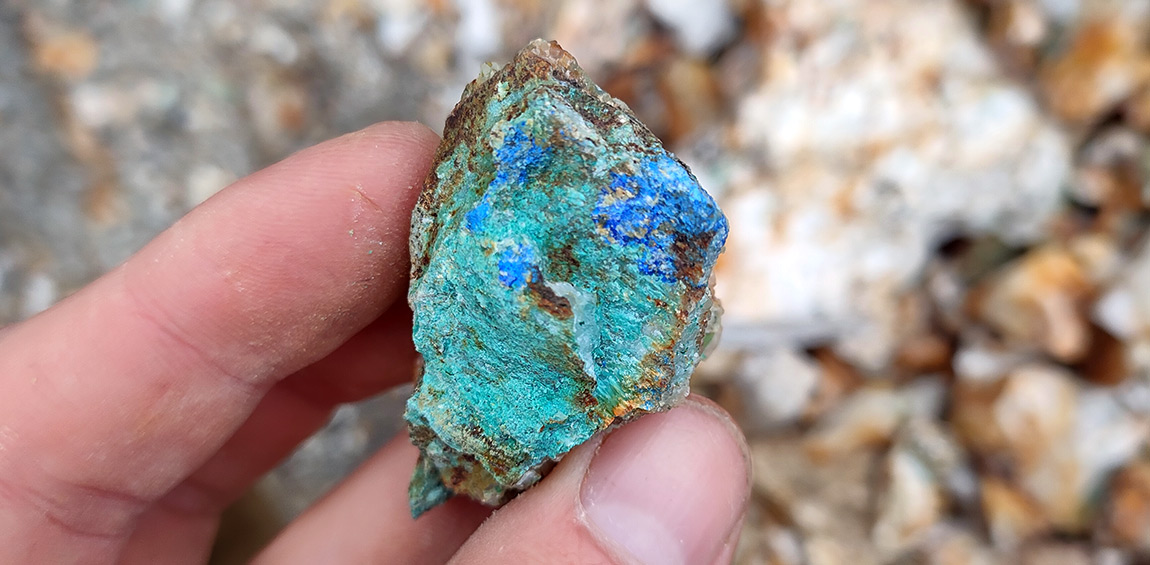
This paper presents the results of experimental smelting of local copper ores from two sites in Moravia, Czech Republic (Štěpánov nad Svratkou and Lipová-lázně), aimed at testing whether these small, previously unstudied deposits were suitable for prehistoric copper production. High-purity malachite from the Shilu mine (China) served as a reference ore. A hemispherical, partially sunken furnace was used together with three ore-charging methods (graphite crucible, clay ball, direct furnace charge) and two air-supply systems (lever-operated bellows and elder blowpipes). Both Moravian ores were successfully reduced to metallic copper of high purity (>99%), confirming their smeltability despite lower copper content and higher gangue proportions than the reference ore.
Split Pine Lath Technology: Experimental Replication of Mesolithic-Neolithic Laths used in Fishing Structures from the European and Central Russian Boreal Forest Zone
Publication Date
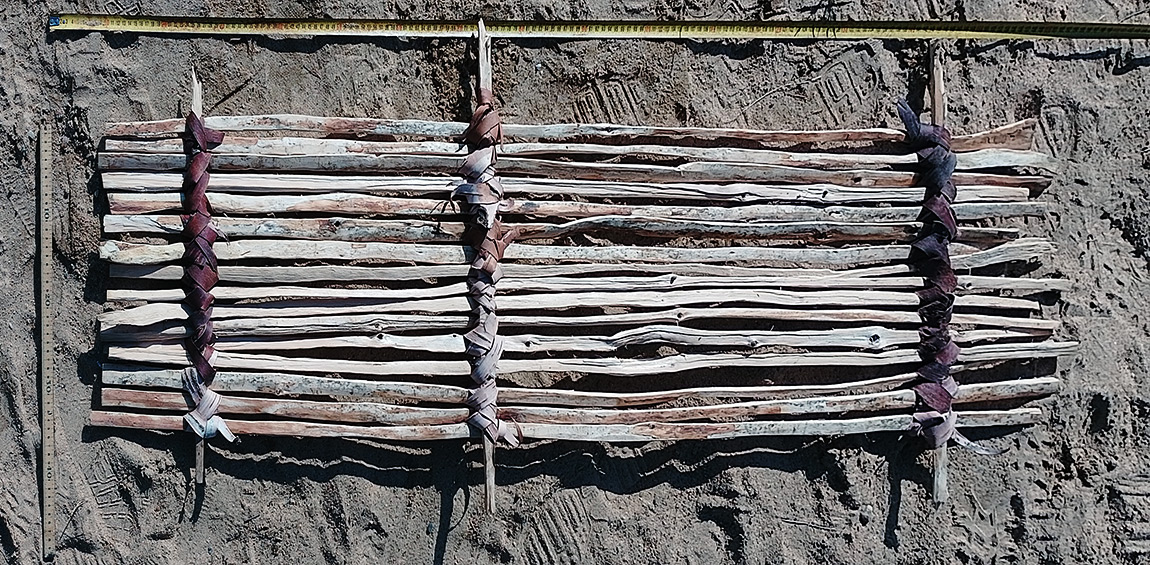
This experimental research investigates the production and functional interpretation of the refined split-pine lath technology employed in stationary fishing structures at Mesolithic and Neolithic wetland sites across the Boreal Forest, from Purkajasuo (Finland) to Zamostje 2 (Central Russia). Despite the prevalence of these highly technologically complex split pine laths, the tools and techniques required to make them at scale remain poorly understood. Through a framework of experimental replication informed by practitioner expertise and ethnographic parallels, this research challenges the previously proposed manufacturing model using 45° bevelled bone tools. Controlled experiments demonstrated that a more intuitive wedge-shaped tool and a technique of cleaving along natural growth rings achieved superior results.
Examination of Bone Alterations Through Experimental Burning of Animal Carcasses: A Preliminary Study in Japan
Publication Date
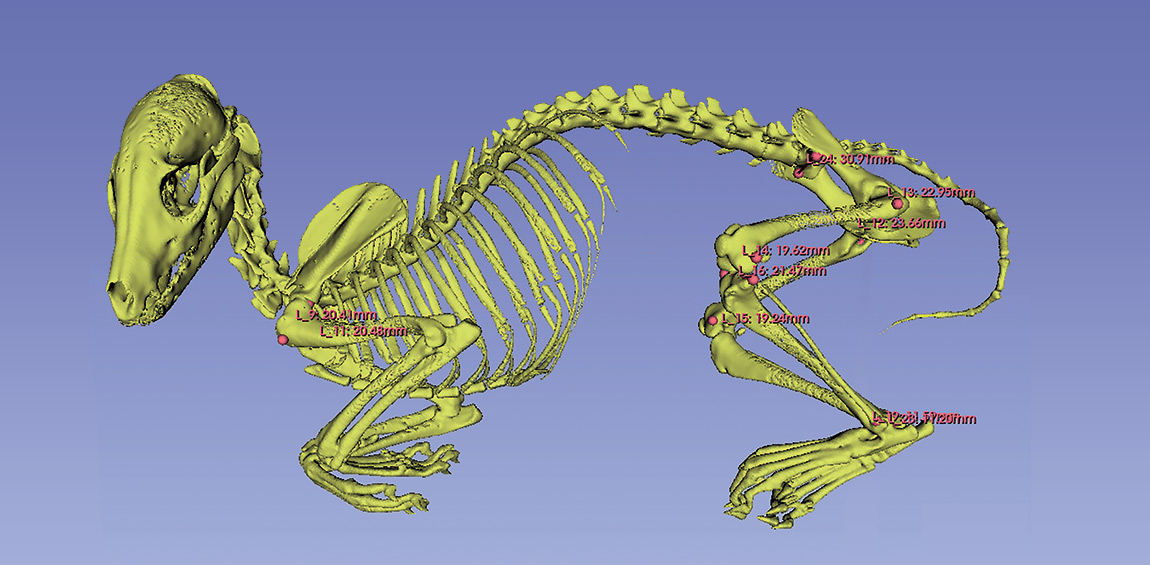
Burned human remains, suggesting the presence of different burning processes, have been reported from Late Jōmon period sites in Japan. Compared with Western countries, however, experimental research in Japan aimed at clarifying the causal relationship between burning conditions and bone alterations remains limited. Consequently, determining which specific burning conditions account for the morphological variations observed in archaeologically burned human bones continues to pose a challenge. This study conducted four controlled burning experiments to compare the effects of different burning conditions on bone alterations, using animal carcasses with soft tissue as well as defleshed and defatted bones...
Life of a Stone Axe. Chaîne opératoire of Neolithic Polished Stone Tools Based on an Archaeological Experiment. A View at the Second Life of Polished Tools from Czechia
Publication Date
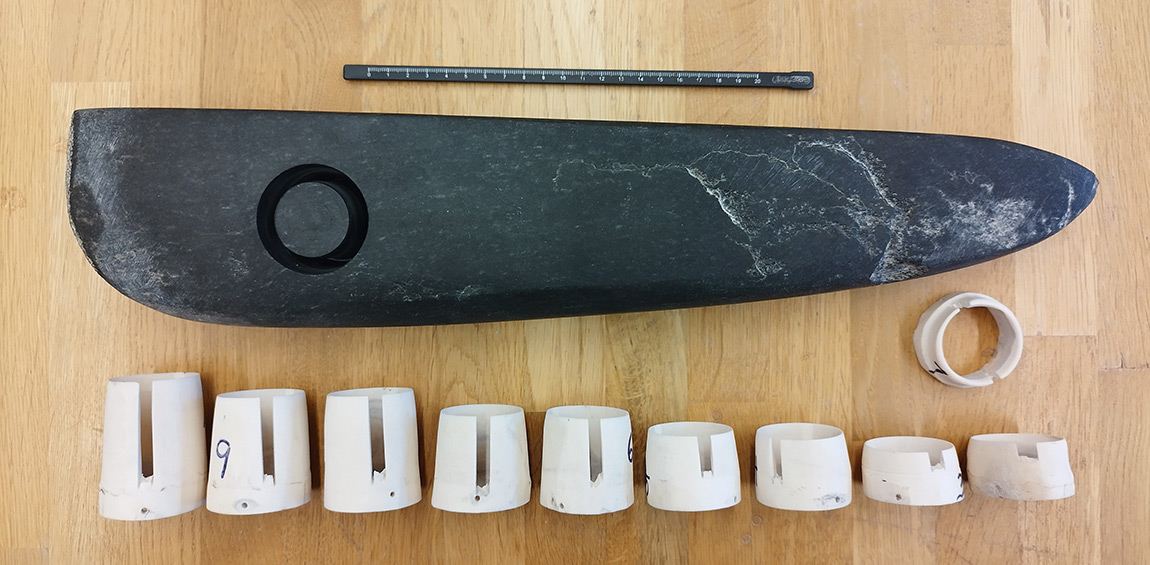
The aim of the project described in this article was to reproduce the life of polished stone tools from their manufacture, use and use after repair or as a new tool. The data resulted from eight years of detailed documented and time-demanding experiments (just drilling alone presents more than 2500 hours of work). Some of the results created a new view of the polished stone tools’ chaîne opératoire. In the Czech environment it especially concerns so called workshops on Neolithic settlements. Furthermore, the data from the experiments are compared to traces of manufacture and use on the original artifacts from Bohemia and Moravia.
Event Review: PaleoFest, the Prehistory Festival – Montevarchi (Arezzo, Italy), 4–5 October 2025
Publication Date
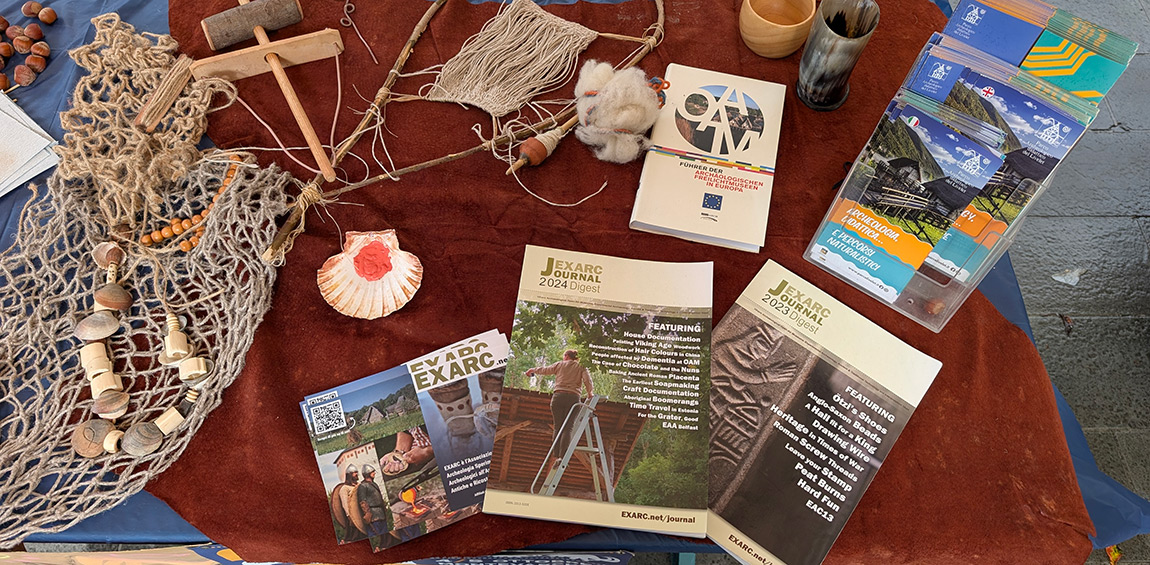
On Saturday 4th and Sunday 5th October 2025, Montevarchi (Tuscany, province of Arezzo) hosted PaleoFest, the Prehistory Festival. The event was organized by the Montevarchi Paleontological Museum and the Accademia Valdarnese del Poggio, the institution that owns the museum.
Investigation of the Practical Functions of Fluting on Throwing Sticks and on Other Ethnological Wooden Artefacts
Publication Date
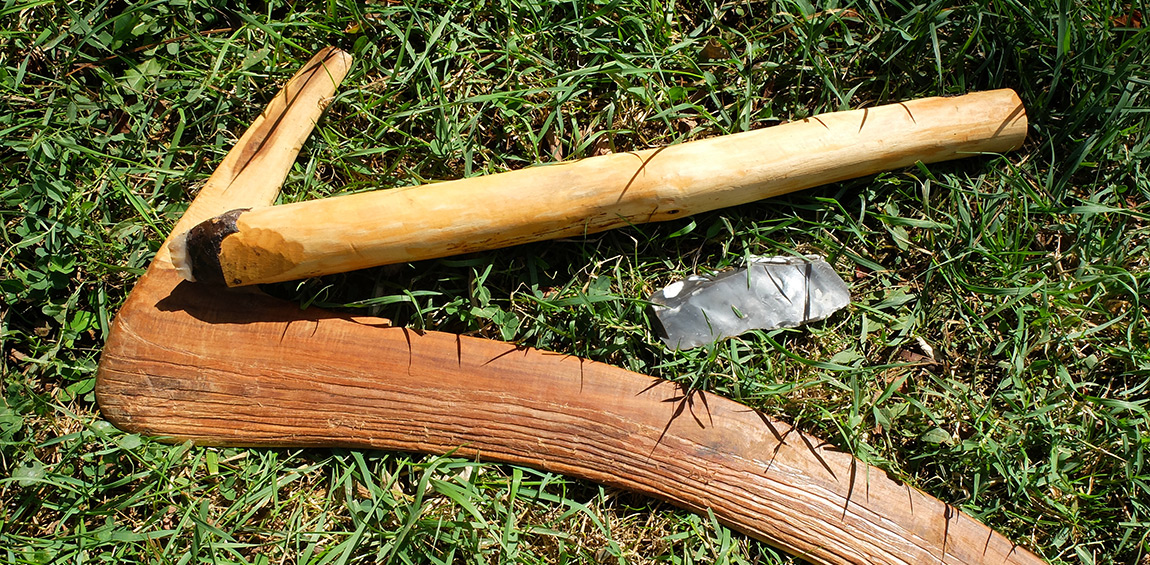
Why are the surfaces of some Australian throwing sticks fluted? According to a previous research, this feature could positively influence their flight, but this effect does not explain the function of fluting on other wooden artefacts (shields, clubs, containers) which are not used as projectiles. The former function of flutes is probably to be found among others type of wooden implements from which it has been transferred to throwing sticks...
Dug Boat Dance: Contemporary Body and Prehistoric Experience
Publication Date
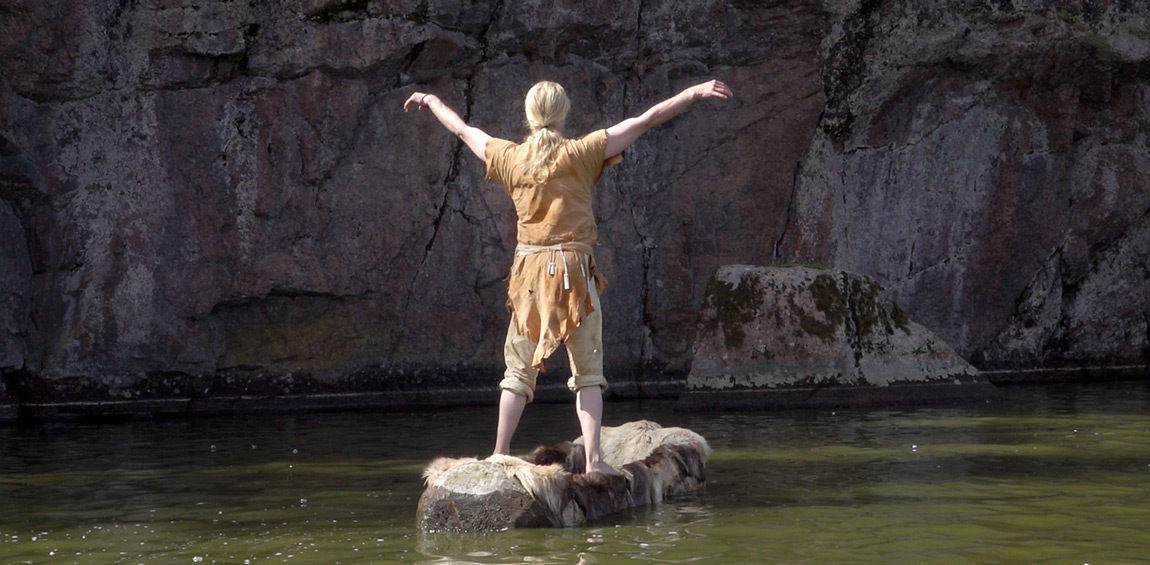
Prehistoric rock art in Northern Europe repeatedly shows people standing, jumping, and dancing in a boat. Especially in Finland, rock paintings and the related offerings were made specifically from a boat. In 2023, dancer Arttu Peltoniemi conducted an artistic-scientific experiment called Dug Boat Dance to explore whether it is possible to dance in a boat, and what kind of movements and bodily sensations this might generate. The three-month-long experiment was carried out in a Stone Age-style dugout canoe, using the dancer's body and somaesthetic experiences as research tools...
Clusters of plasters - An Experimental Analysis of Plaster Production in Prehistoric Cyprus
Publication Date
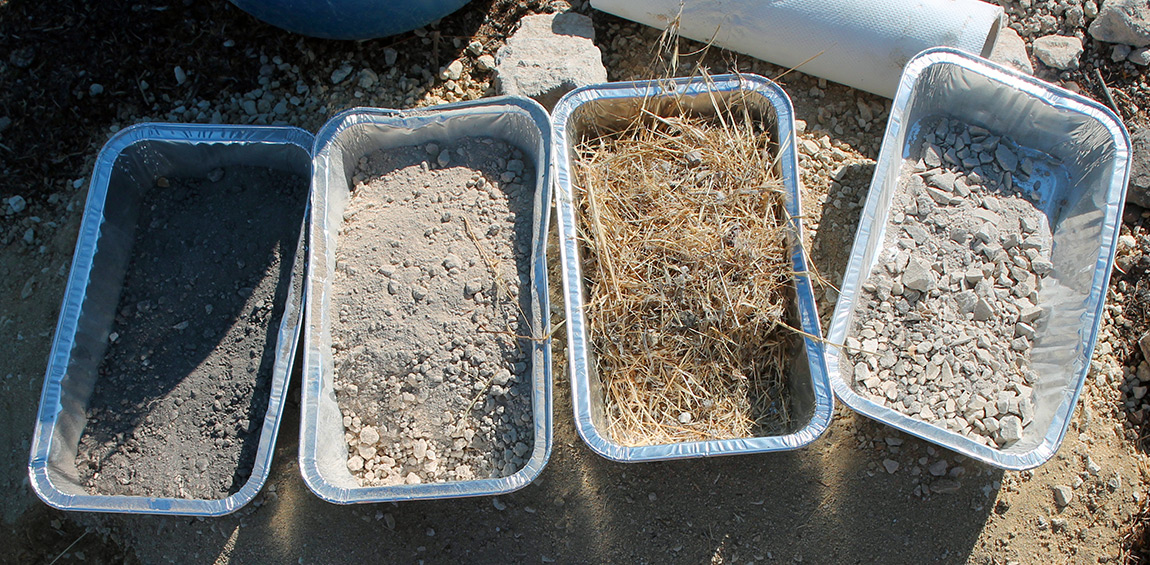
Two distinct types of plaster were produced in prehistoric Cyprus: the lime plaster and the havara plaster. The latter was obtained by mixing the local secondary limestone (havara) with water, with no pyrotechnological process involved. Because lime plaster and havara plaster have very similar characteristics, archaeologists often struggle to distinguish them in the field. An experimental study was undertaken to produce new data that could aid in examining the manufacturing techniques of prehistoric plaster materials in Cyprus...
As Dear as Salt - Indications for an Ancient Plant Ash Tradition Preserved in Old World Folktale
Publication Date
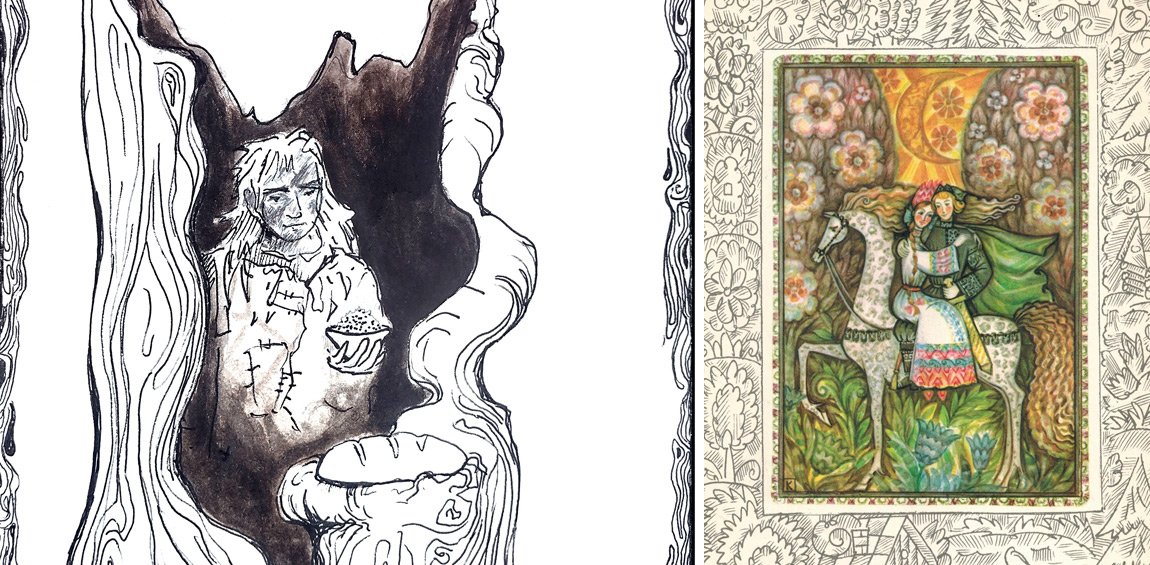
Do folktale heroines tell of a prehistoric plant ash use? The culinary use of plant ash is an ancient technology nearly extinct worldwide and completely absent from Eurasian cultural history. Despite the lack of this technology´s historical documentation, folktales provide a rich yet underestimated corpus on salt and ash. The denotation of the physical substances as well as the related narrative structures are investigated throughout several tale types...
Black Ash - a Forgotten Domestication Trait in Garden Orach (Atriplex hortensis L.)
Publication Date
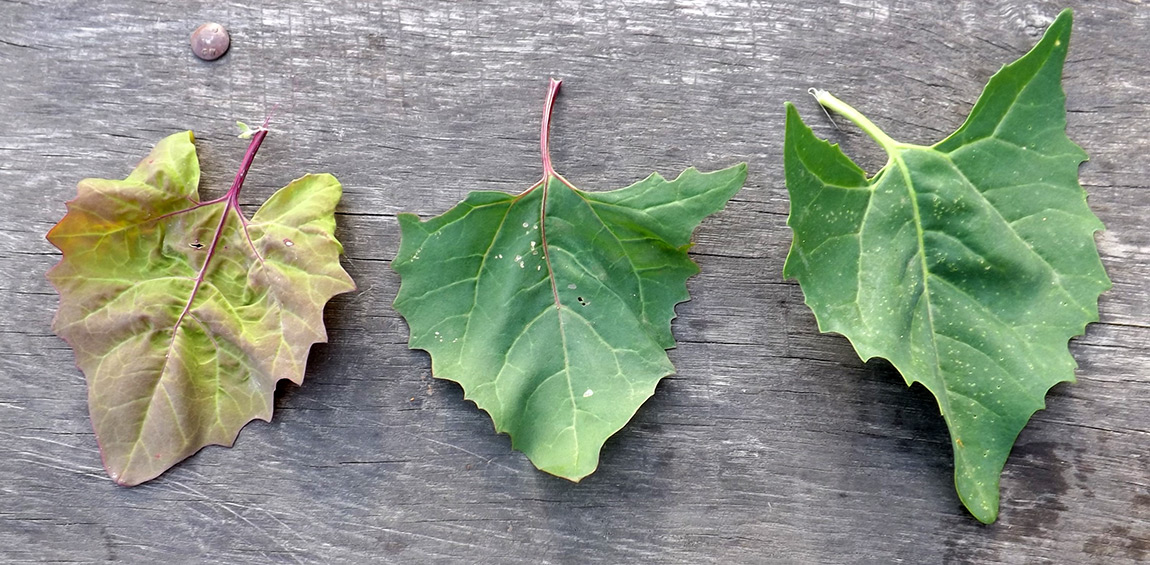
Garden Orach (Atriplex hortensis L.) is a vegetable plant of minor importance but with a wide distribution throughout the Old World and beyond. Previous research revealed its diverse medicinal and magical importance in prehistory. Here, Orach’s special ability to retain sodium even in non-saline ground is introduced. The outstandingly high concentrations of sodium in dry plant matter and plant ash suggest its use as a salt substitute, manifested in an early domestication trait. Special attention is paid to the variability of this trait in cultivars from different geographic regions and within the genus Atriplex. ..