
Neolithic
Neanderthals in the Rain: Assessing Neanderthals' Strategies to Survive Wet and Cold Environments through an Experimental Analysis
Publication Date
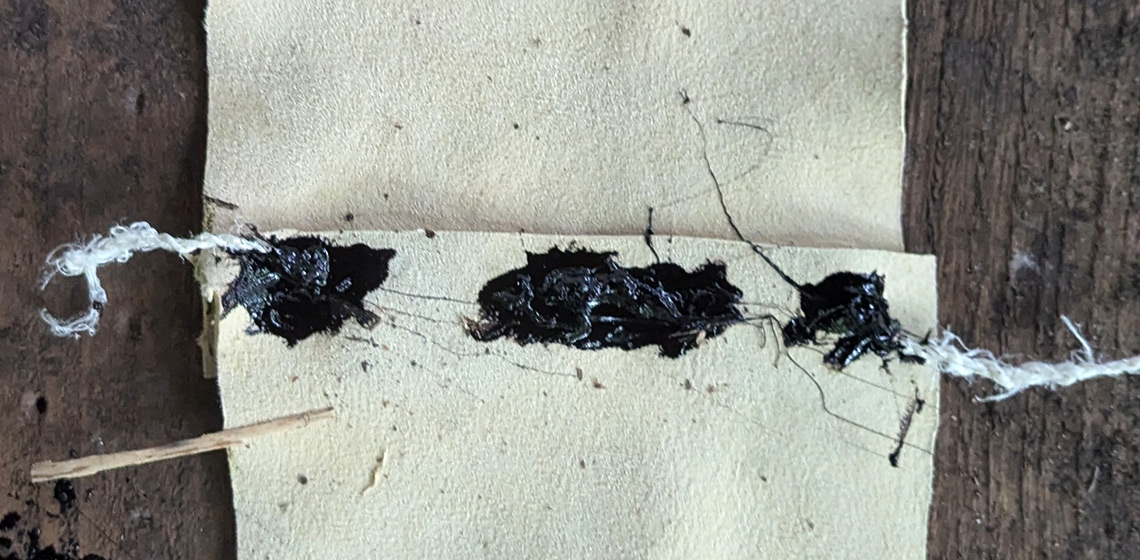
Neanderthals' adaptations to cold climates have been extensively debated, however, limited attention has been given to their survival in cold and wet environments. These conditions increase the dangers of cold-induced injuries such as frostbite or hypothermia, as wet clothing loses its insulative capacities. This research explores whether and how Neanderthals faced such changes and their implications on activities and behaviours...
An Experimental Investigation of Alternative Neolithic Harvesting Tools
Publication Date
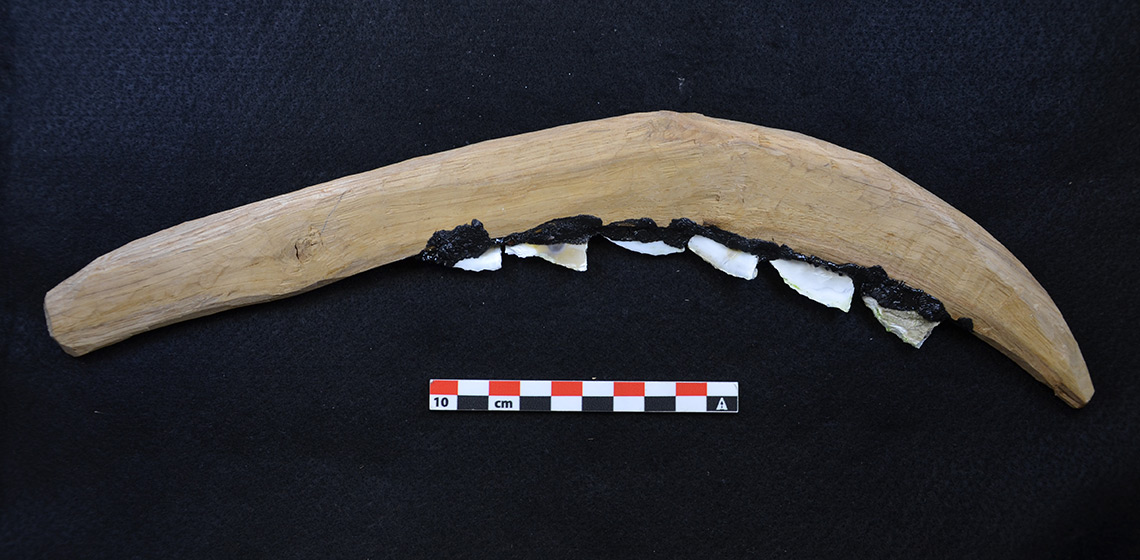
Harvesting tools have seldom been found during excavations at Neolithic sites in North-Western Europe but cereal consumption was widely practiced in that region, as grain discovered in settlements showed. Several researchers have, over the last 50 years, highlighted this discrepancy between missing harvesting tools and the presence of cereal grains...
Does the Addition of Manganese Dioxide Aid in The Production of An Ember when Using Strike-A-Light Technology With Horse Hoof Fungus? A Potential Neanderthal Technology

Publication Date
Recent archaeological and experimental work suggests that Neanderthals may have been purposefully gathering manganese dioxide to aid in their fire lighting. Given the evidence for complex Neanderthal pyro-technology, this appears to be a plausible hypothesis. In this paper, we add to the experimental testing of this hypothesis by ...
Nesshenge: an Experimental Neolithic Henge with 15 Years of Exposure
Publication Date
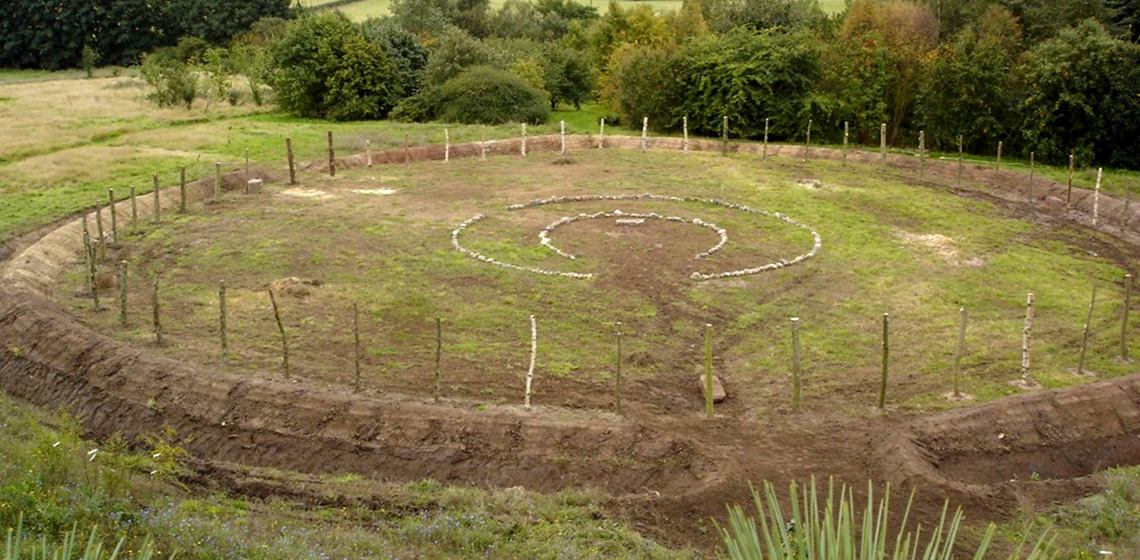
Our understanding of the planning processes involved before any Neolithic structure was physically built, from the moment when it was conceived in a person’s mind up to the point of its construction requires further investigation for which experimental archaeology can provide some direction...
Experimental Approach to Flint Shaft Mining: Understanding the Extraction Process and the Technical Gesture at Casa Montero (Madrid, Spain)
Publication Date
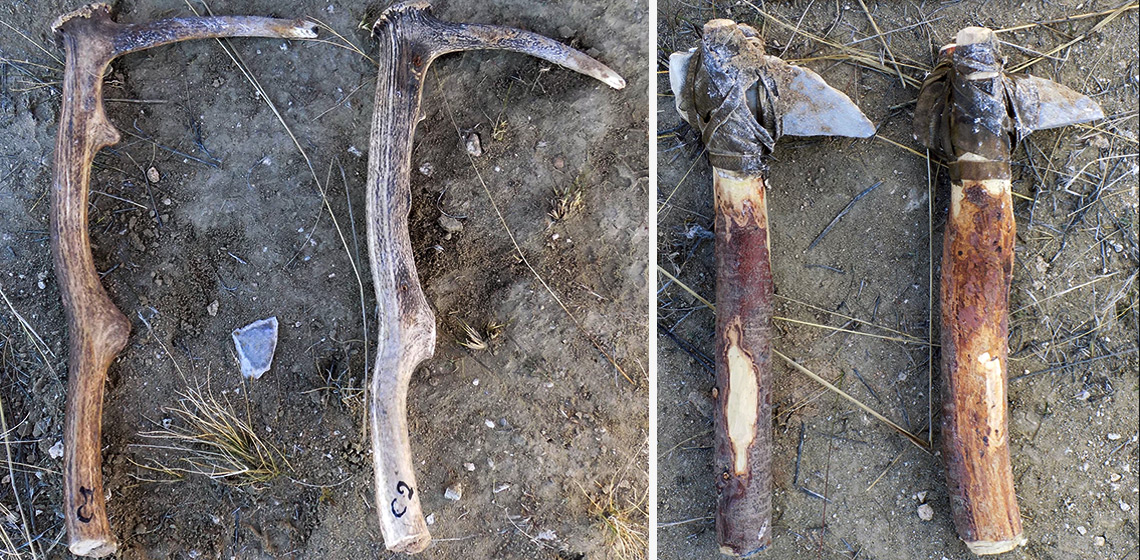
Since prehistory, human populations have developed specific knowledge related to the excavating and exploitation of underground resources. These abilities are reflected in the tools used to extract and process raw materials and the use of specific architectural expressions such as rock-cut tombs...
A Scheme of Evolution for Throwing Sticks
Publication Date
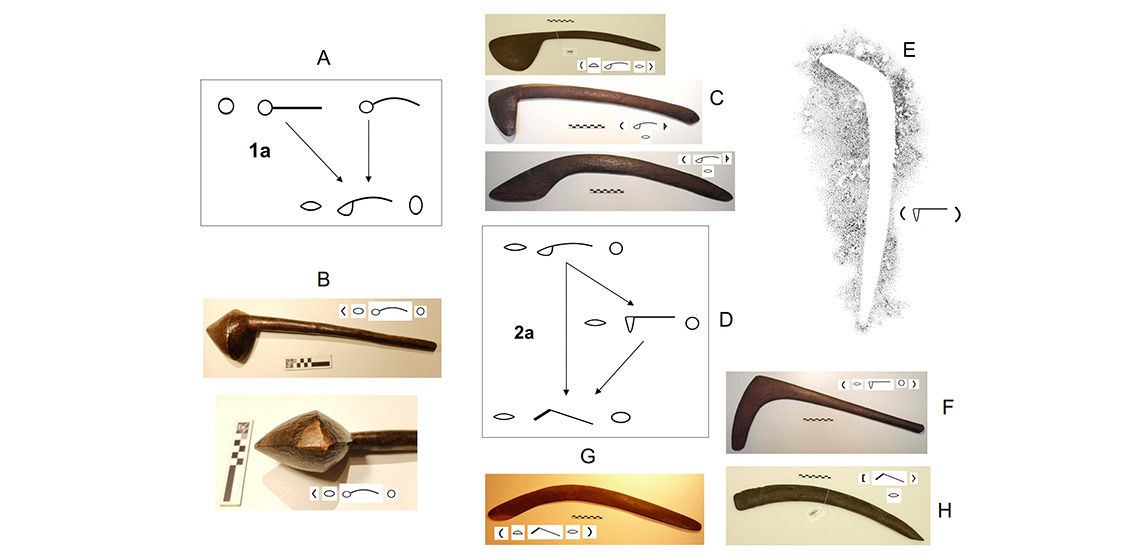
Prehistoric wooden projectiles likely have a complex evolutionary story in a similar way to stone tools, depending on their functions, and the cognitive and physical capabilities of hominins who used them. The technologies of some ancient projectiles (e.g., spears, arrows) can be studied more directly because they were equipped with...
Scraping Seal Skins with Mineral Additives
Publication Date
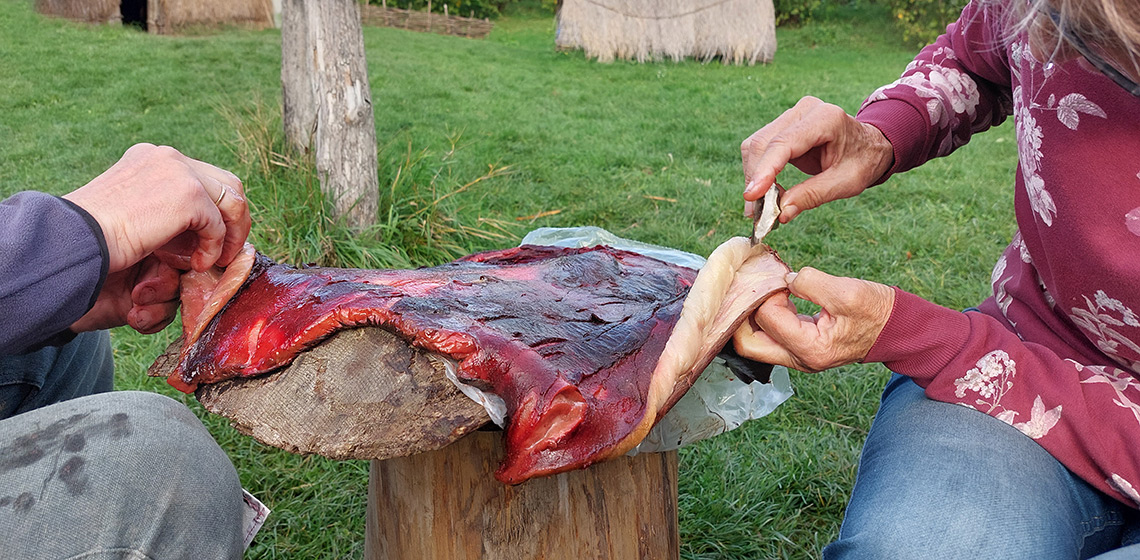
Neolithic scrapers from the Vlaardingen Culture (3400-2500 BC) display a variety of hide-working traces, amongst which traces interpreted as being the result of contact with dry hide. It has been suggested that, potentially, some of these implements were used to scrape fatty hides with mineral additives. Therefore, a series of experiments...
The Butser Ancient Farm Horton Neolithic Building – Its Construction and Significance to the Interpretation of Buildings of Early Neolithic Britain and Ireland

Publication Date
In 2019 a substantial building, based on archaeological evidence of early British Neolithic dwelllings, was constructed by site staff, volunteers, and staff of Wessex Archaeology at the Experimental Archaeology site, Butser Ancient Farm in Hampshire, England. The archaeological feature on which our building was based was excavated in 2012 by Wessex Archaeology as part of a pre-extraction programme...
Strategy of Presenting Prehistoric Sites Like an Open-air Stand. Why and How and from a Sustainable Development Perspective

Publication Date
Archaeological excavations have revealed important sites from the prehistoric sites, with the cultural achievements of the early lithic tools of hunters-gatherers in the Palaeolithic, to the emergence of the farmer-village societies in the Neolithic, reaching on to urbanisation and the complex societies of the Chalcolithic...
Can Experimental Archaeology Confirm Ethnographic Evidence? The Case of Aboriginal Boomerangs Used as Retouchers

Publication Date
In this article, an experimental programme is used to examine how boomerangs may be used to retouch stone tools. The programme's findings confirm ethnographic data pertaining to the employment of hardwood boomerangs in retouching activities and investigate their technological similarities to Palaeolithic bone retouchers...