
Neolithic
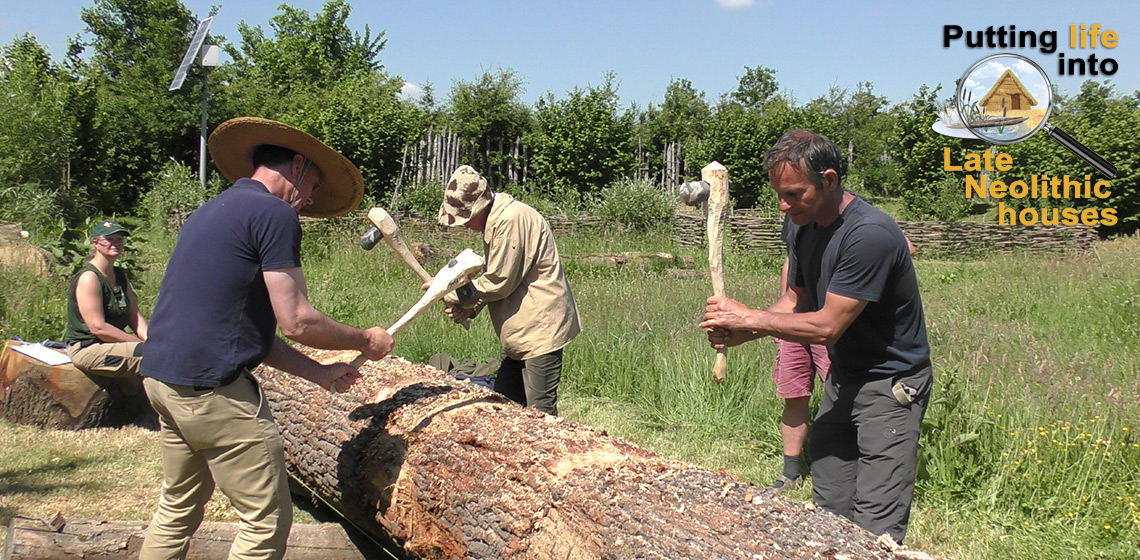
Putting life into Late Neolithic houses
Publication Date
Investigating Domestic Craft and Subsistence Activities through Experiments and Material Analysis
Leiden University currently coordinates the project “Putting Life in Neolithic Houses”. This will take until 2025 and is funded by the Dutch Research Council NWO. Besides EXARC, there are other nine partners in this project.
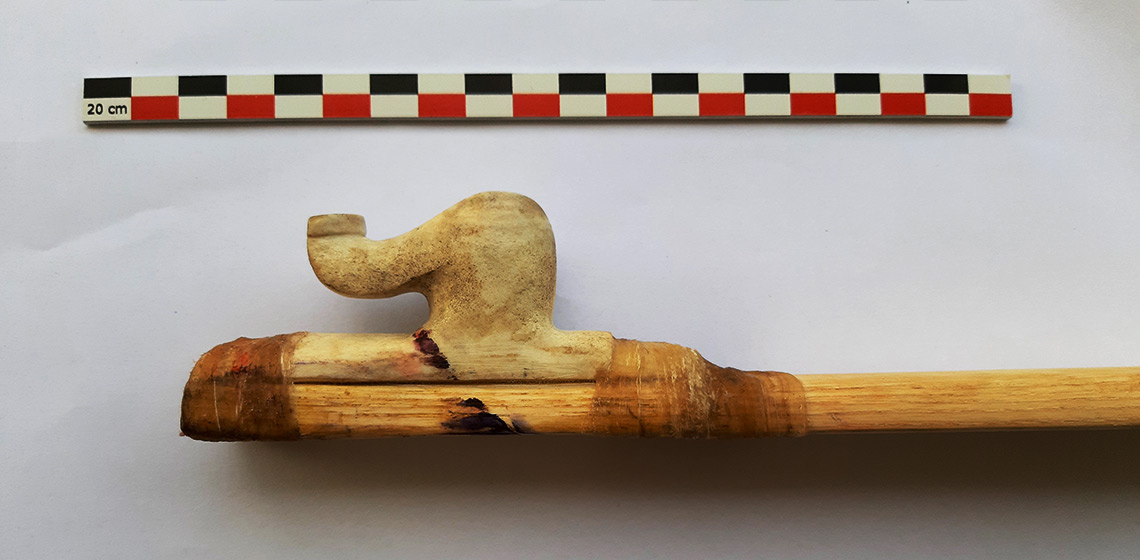
Archaeological Experiment on Reconstruction of the “Compound” Bow of the Sintashta Bronze Age Culture from the Stepnoe Cemetery
Publication Date
#EAC12 World Tour 2021
***This article presents data from an international experimental study on the reconstruction of the “compound” bow of Sintashta culture of bronze age South Ural, Russia. The project is carried out by a collective of researchers from Greece and Russia as part of the grant program of EXARC - “Twinning program”...
***This article presents data from an international experimental study on the reconstruction of the “compound” bow of Sintashta culture of bronze age South Ural, Russia. The project is carried out by a collective of researchers from Greece and Russia as part of the grant program of EXARC - “Twinning program”...
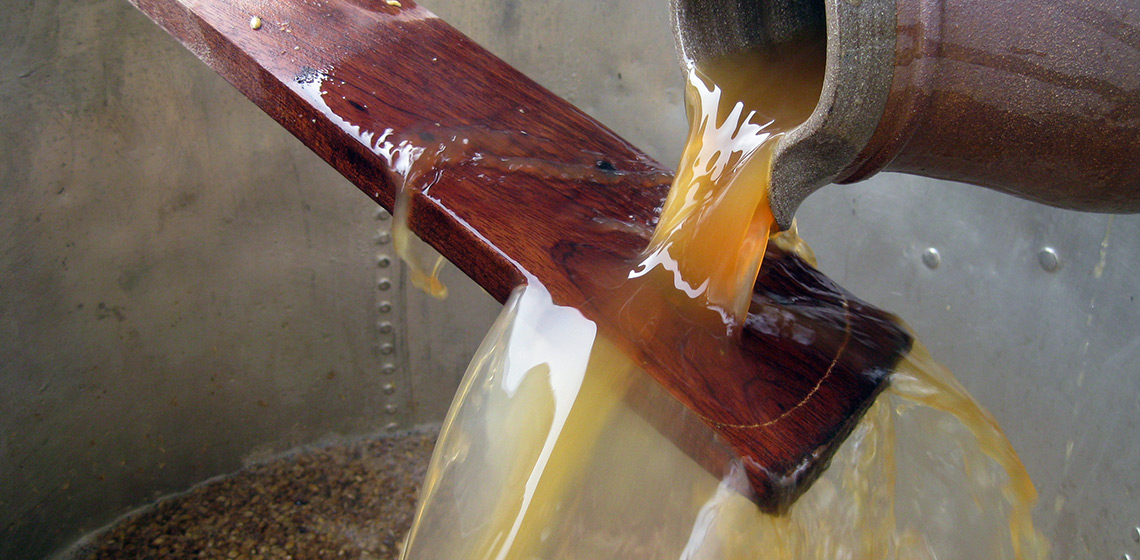
The Ancient Magic of Malt: Making Malt Sugars and Ale from Grain Using Traditional Techniques
Publication Date
The transformation of grain into malt, malt sugars and ale is a three step process. First, the controlled germination (malting), then ‘mashing in’ and collecting a sweet liquid known as wort and finally, the fermentation by pitching the yeast which converts the sugary wort into an alcoholic beverage. Each step requires different conditions for the process to work. They cannot be combined...
Book Review: Determining Prehistoric Skin Processing Technologies by Theresa Emmerich Kamper
Publication Date
This volume on prehistoric tanning technology is the revised and expanded version of the dissertation submitted to Exeter University in 2015. It is noteworthy in that it places experiment at the heart of the entire research programme, thereby radically changing the perspective from which archaeological and ethnographic artefacts might be approached...
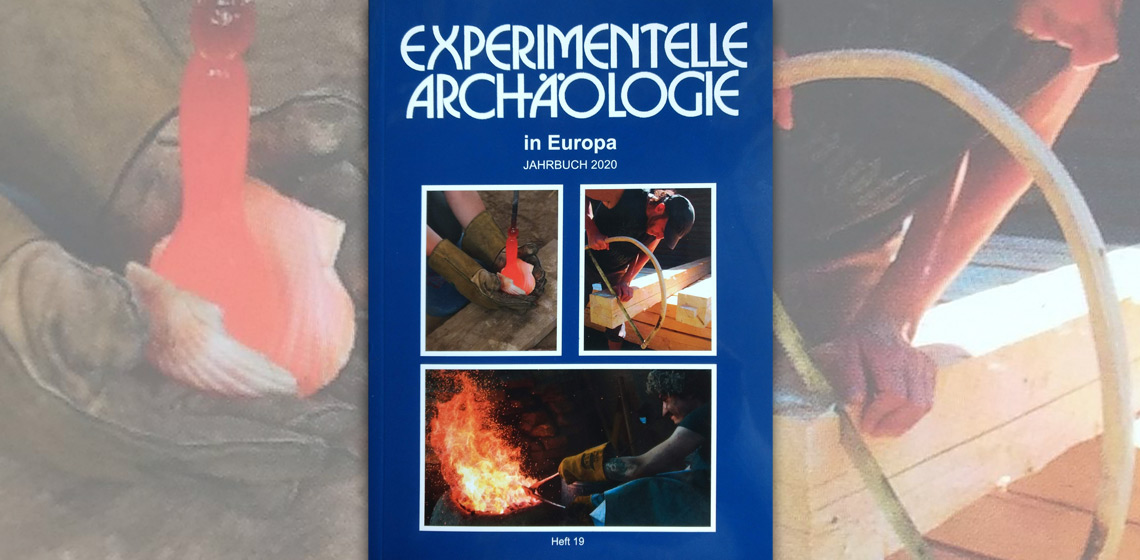
Book Review: Experimentelle Archäologie in Europa, Jahrbuch 2020
Publication Date
Annual Proceedings of the EXAR Tagung
***The 19th issue of the periodical includes 19 essays over 231 pages which present the contributions of the EXAR conference held in 2019. The annual report (Jahresbericht, p.225) and the instructions for authors (Autorenrichtlinien, p.229) of Experimentelle Archäologie in Europa can be found at the end...
***The 19th issue of the periodical includes 19 essays over 231 pages which present the contributions of the EXAR conference held in 2019. The annual report (Jahresbericht, p.225) and the instructions for authors (Autorenrichtlinien, p.229) of Experimentelle Archäologie in Europa can be found at the end...
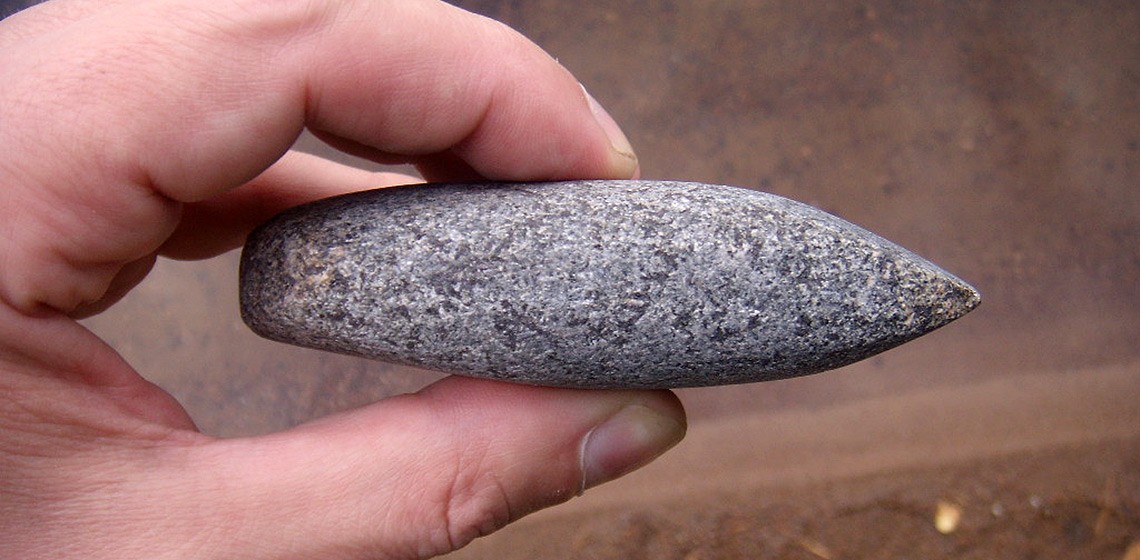
The Process of Making Schist Axes of Paja Ul Deˀŋ – “The People of Big Water”
Publication Date
Paja Ul Deˀŋ [padʒaul’deˀŋ] “The People of Big Water” is a conventional and compact name given to Neolithic inhabitants of the territories of Saint Petersburg and the Leningrad region in their hypothetical reconstructed language (it is possible to state that these people spoke a language that was very close to Yeniseian languages). Paja Ul Deˀŋ made axes/adzes mainly of schist, a process that takes...
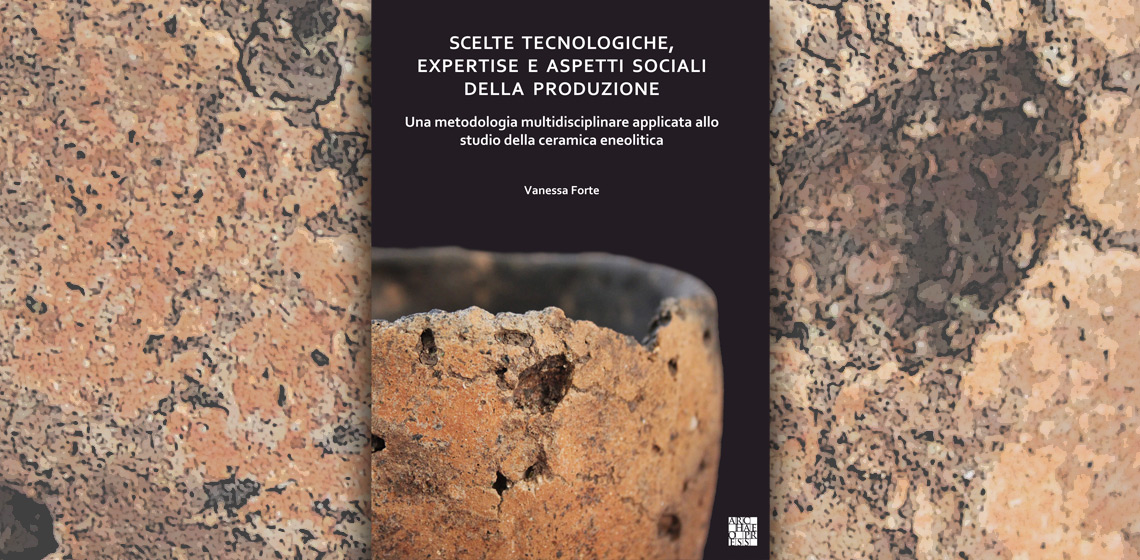
Book Review: Scelte Tecnologiche, Expertise e Aspetti Sociali della Produzione. Una Metodologia Multidisciplinare Applicata allo Studio della Ceramica Eneolitica by Vanessa Forte
Publication Date
This book is a welcome addition to the bookshelf of Italian archaeologists interested in Prehistory and will certainly be of great use to those who are trying to gain a good understanding of pottery technology. Written in Italian, it is one of the few books in this language dealing with ceramic technology and the social aspects of the production by presenting, as a case study, the Copper Age domestic and ...
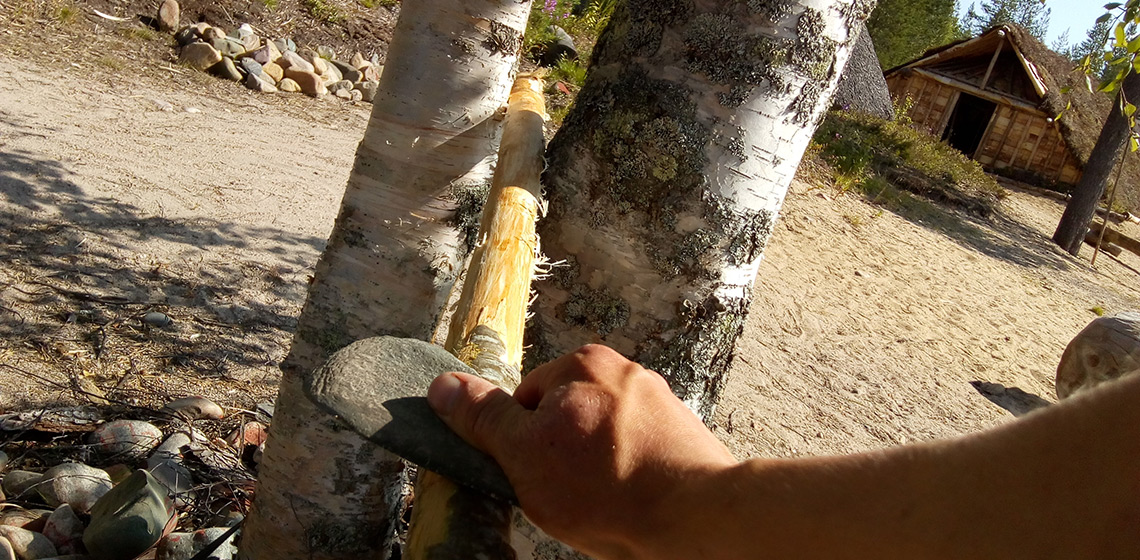
Neolithic Bow Build at Kierikki Stone Age Centre (FI)
Publication Date
In July 2019 a group of students from the UK participating in the Placements in Environmental, Archaeological, and Traditional Skills (PEATS) Erasmus + Work Placement, attended the Kierikki Stone Age Centre, Pahkalantie, Finland. Group projects included experimental / experiential projects producing willow fish traps, pottery, and tanning, coordinated by Dr. Peter Groom of the Mesolithic Resource Group...
Documentation Strategies at Butser Ancient Farm
Publication Date
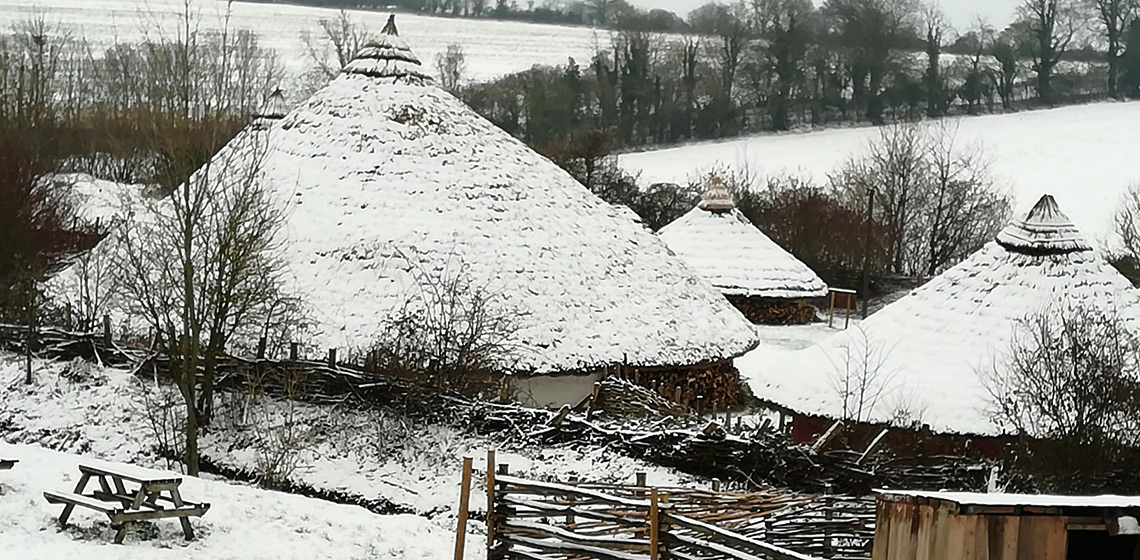
Butser Ancient Farm has been at the forefront of experimental archaeology in Britain1. for more than 45 years. The pioneering work of its first director Dr Peter Reynolds in the evaluation of Iron Age structures and agriculture demonstrated beyond doubt the importance of experiment in archaeology in the UK and international experimental archaeology work...
Hunting for Use-Wear
Publication Date
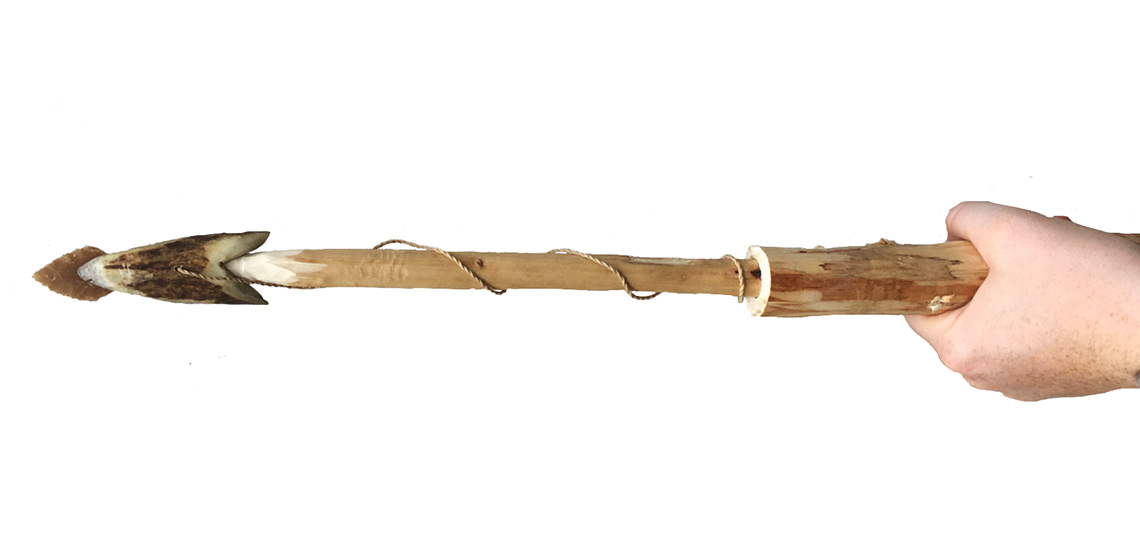
Harpoons are an essential part of the hunting toolkit amongst Inuit and have been integral to the material culture assemblage of Arctic groups for thousands of years. The pre-Inuit population known as the Dorset cultures (app. 800 BC–1300 AD) - also sometimes referred to as Tuniit - were highly dependent on a maritime subsistence with harpoon heads as one of the dominant artefact categories at Dorset sites. Although the use of these harpoons is known...