Neolithic

Copper Smelting Could Have Been Discovered in Connection with the Massive Production of Lime Plaster in the Near East During the Pre-Pottery Neolithic B, which is Much Earlier than Previously Believed
Author(s)
Ulf Fornhammar 1 ✉,
Henry Hammarström 2
Publication Date
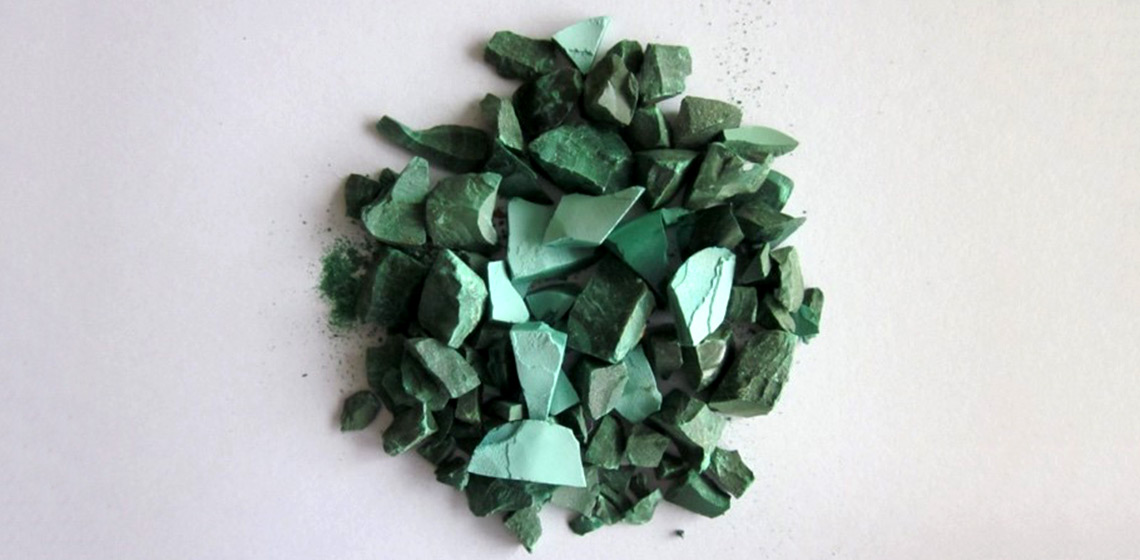
A common theory is that copper smelting first appeared in the Near East in close connection with the early pottery industry. However, copper smelting may well have been discovered many times in history and at many places. Our hypothesis is that copper smelting could have been discovered when the copper-bearing mineral malachite, accidentally or intentionally, was present in lime-burning kilns...

Preliminary Observations of Potsherds Rounding in the Estuary of the Morye River – an Analog of Paleo-Okhta
Author(s)
Alexander Akulov 1
Publication Date
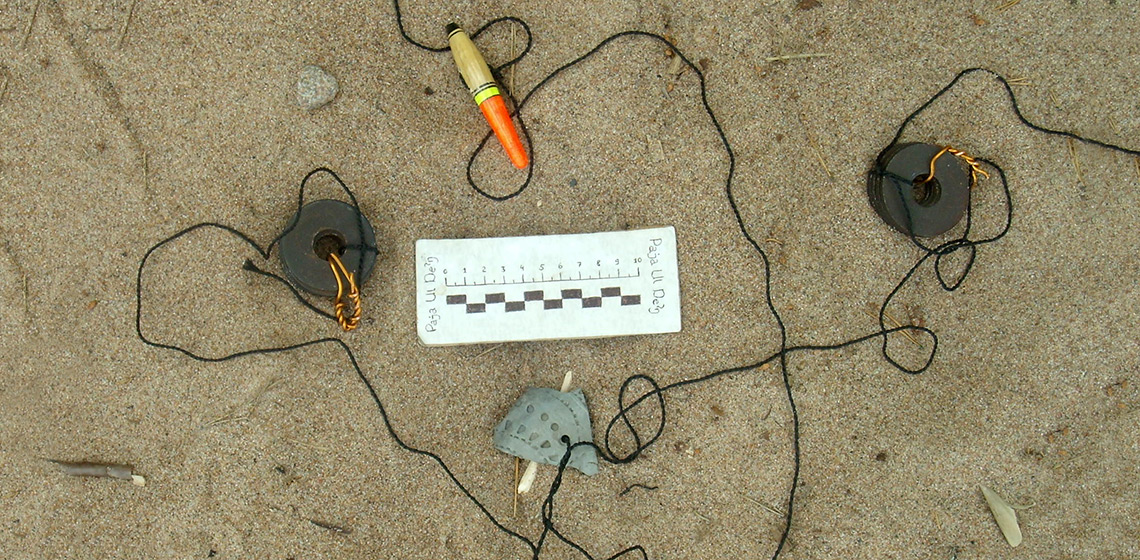
One of the arguments proposed for interpreting the Neolithic site of Okhta as a settlement is the fact that potsherds found upon the site show no signs of rounding. Interpretation of the site as a settlement correlates poorly with the geological data, which suggests that, in the Neolithic period, the site was the bottom of a shallow bay of the Littorina Sea into which Paleo-Okhta and Paleo-Tosna flowed...

Birch Bark Glue and its Potential Use in Neanderthal Clothing: A Pilot Study
Author(s)
Phoebe Baker 1 ✉,
Christopher Scott 1,
Peter Gethin 1,
Anthony Sinclair 1
Publication Date
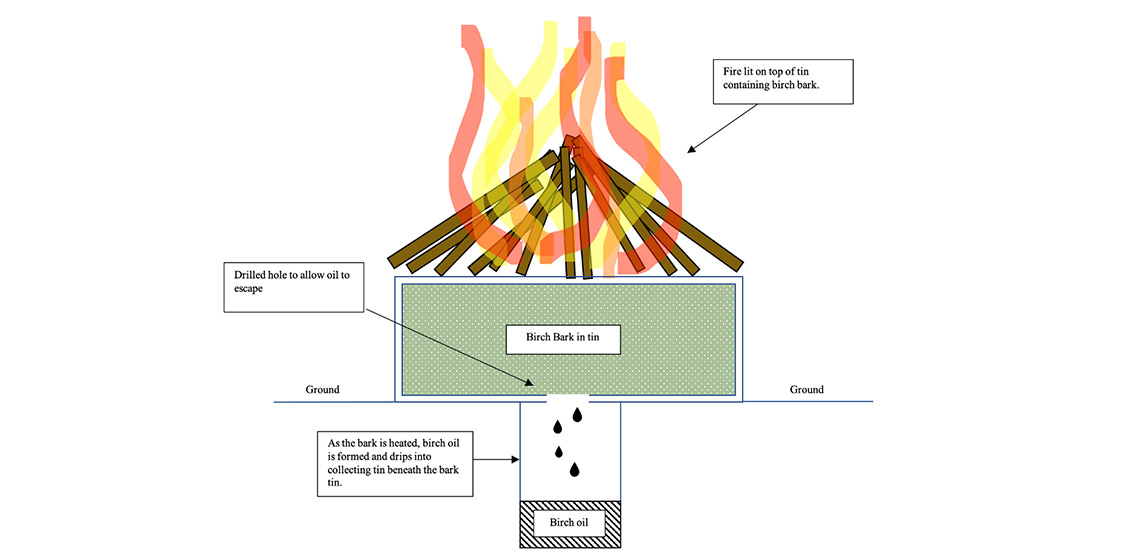
Evidence that Neanderthals had mastered the production of birch bark tar as an adhesive has generated important and timely debate concerning behavioural complexity. Increased resolution of the data on palaeo-climatic conditions has also brought into sharp focus the need for hominins living in high latitudes to possess complex cultural mechanisms to deal with cold environments...

Beeswax an Addition to the Production of European Stone Age Adhesives
Author(s)
Aleksandra Cetwińska 1 ✉,
Maciej Sadło 1
Publication Date
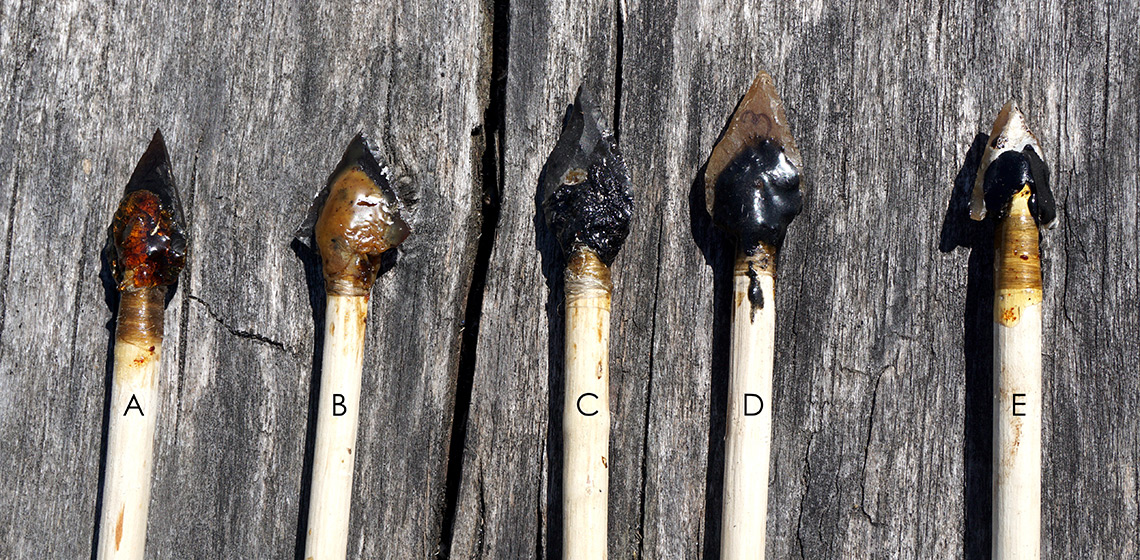
Beeswax is a frequently mentioned binder additive in the literature. Unfortunately, it is not so durable as to be well preserved in archaeological records, although there are faint exceptions. Because of its strengthening capabilities, which is believed to be its role, this research set out to carry out an experiment to verify the effects of adding it to the adhesives potentially used in the European Stone Age...

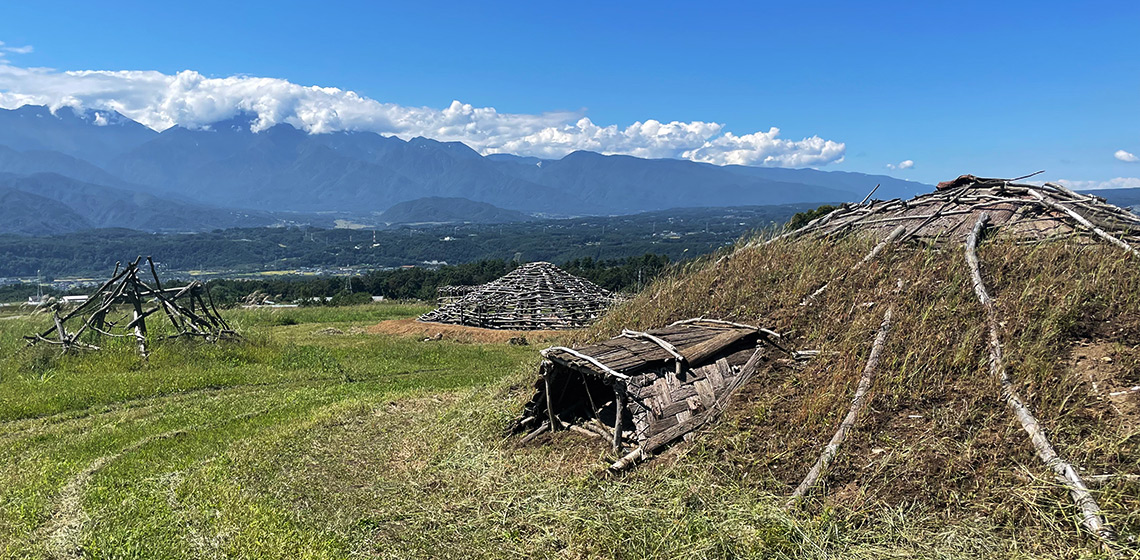
Approaches to Experimental Pit House Reconstructions in the Japanese Central Highlands: Architectural History, Community Archaeology and Ethnology
Author(s)
John Ertl 1 ✉,
Yasuyuki Yoshida 2
Publication Date
#EAC12 World Tour 2021
***In Japan, over 1,000 prehistoric house reconstructions have been built at 360 different locations since 1949. Pit houses from Neolithic Jomon Period (14,000–300BC) are the most common but they are mostly based on archaeological remains limited to pits and postholes. Therefore, decisions on material and structure come from various sources, some based on research and others rooted in cultural ideologies or individual’s preferences...

Putting life into Late Neolithic houses

Author(s)
Annelou van Gijn 1
Publication Date
Investigating Domestic Craft and Subsistence Activities through Experiments and Material Analysis Leiden University currently coordinates the project “Putting Life in Neolithic Houses”. This will take until 2025 and is funded by the Dutch Research Council NWO. Besides EXARC, there are other nine partners in this project.

Archaeological Experiment on Reconstruction of the “Compound” Bow of the Sintashta Bronze Age Culture from the Stepnoe Cemetery

Author(s)
Ivan Semyan 1 ✉,
Spyros Bakas 2
Publication Date
#EAC12 World Tour 2021
***This article presents data from an international experimental study on the reconstruction of the “compound” bow of Sintashta culture of bronze age South Ural, Russia. The project is carried out by a collective of researchers from Greece and Russia as part of the grant program of EXARC - “Twinning program”...

The Ancient Magic of Malt: Making Malt Sugars and Ale from Grain Using Traditional Techniques

Author(s)
Merryn Dineley 1
Publication Date
The transformation of grain into malt, malt sugars and ale is a three step process. First, the controlled germination (malting), then ‘mashing in’ and collecting a sweet liquid known as wort and finally, the fermentation by pitching the yeast which converts the sugary wort into an alcoholic beverage. Each step requires different conditions for the process to work. They cannot be combined...

Book Review: Determining Prehistoric Skin Processing Technologies by Theresa Emmerich Kamper

Author(s)
Carol van Driel-Murray 1
Publication Date
This volume on prehistoric tanning technology is the revised and expanded version of the dissertation submitted to Exeter University in 2015. It is noteworthy in that it places experiment at the heart of the entire research programme, thereby radically changing the perspective from which archaeological and ethnographic artefacts might be approached...

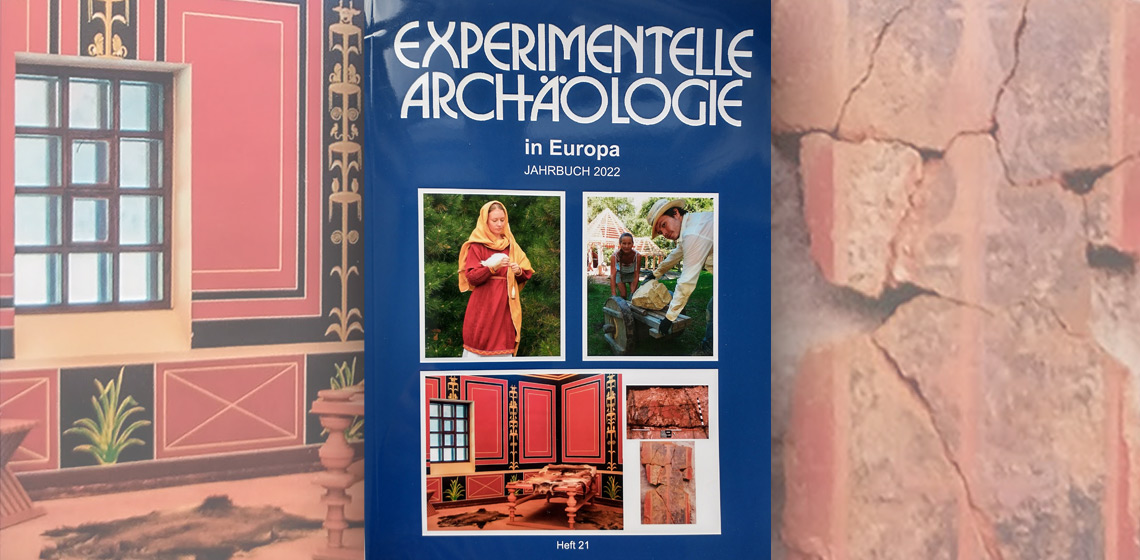
Book Review: Experimentelle Archäologie in Europa, Jahrbuch 2020

Author(s)
Stefanie Ulrich 1
Publication Date
Annual Proceedings of the EXAR Tagung
***The 19th issue of the periodical includes 19 essays over 231 pages which present the contributions of the EXAR conference held in 2019. The annual report (Jahresbericht, p.225) and the instructions for authors (Autorenrichtlinien, p.229) of Experimentelle Archäologie in Europa can be found at the end...