
Bronze Age
A New Tablet Weaving Technique from Bronze Age Hallstatt
Publication Date
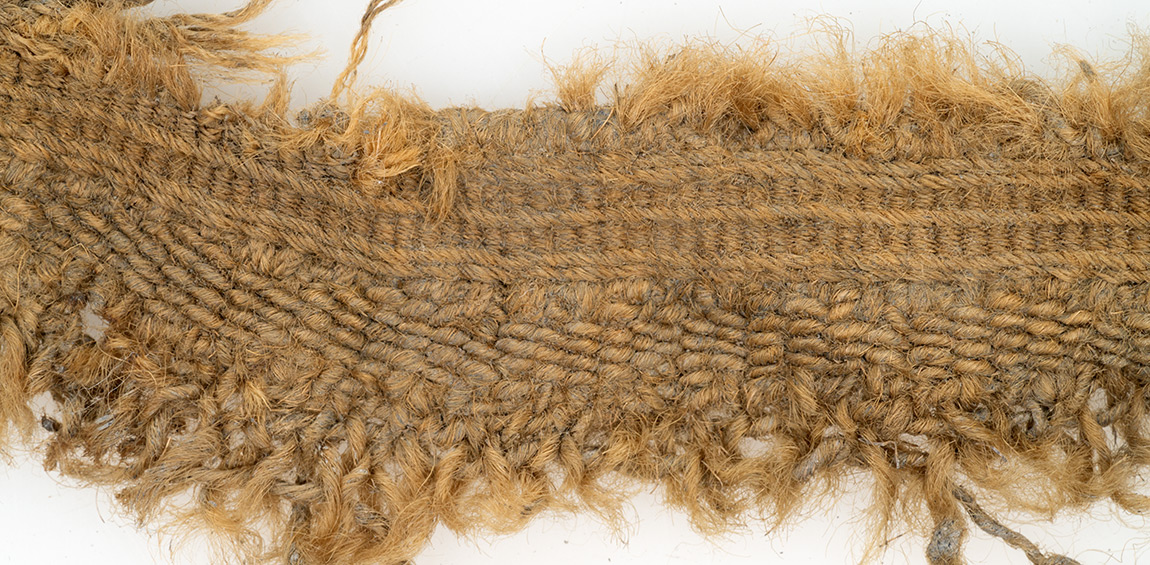
The salt mines of Hallstatt, Upper Austria, bear some of the most significant evidence for our understanding of textile culture in the Late Bronze and Early Iron Age in Central Europe due to the exceptional preservation of these finds. Following recent excavations, a new textile, HallTex 390, from the Late Bronze Age “Tuschwerk” mine has revealed multiple previously unknown features, techniques, and a peculiar design: two typical Bronze Age fabrics connected with an unusual ribbon with a ribbed structure, combining twisted and tabby-structured threads of different diameters. While comparisons for similar techniques from Denmark are discussed, this technique is quite unique for Bronze Age Central Europe. Only through experiments were we able to fully understand the textile, which seems to have consisted of tablet weaving with tablets threaded with either two or four threads while simultaneously using the weft as a sewing thread to connect the ribbon to the other textiles. This produced results comparable to the original while also revealing how efficient these Bronze Age craftspeople’s design choices were.
Study on the Globular-Bellied Vessels of the Zhongshan State in the Late Bronze Age of China

Publication Date
To interpret the manufacturing techniques of globular-bellied vessels from the Zhongshan State of China’s Late Bronze Age (770 BCE–221 BCE), experimental reconstruction was carried out. Based on the experimental results, it can be concluded that these vessels were composed of three separate components: the lid, the spherical body, and the flared base, which were integrated into a single unit through a specialized assembly technique. Specifically, the three components were first individually fabricated, the spherical body and flared base were then polished and incised with decorative patterns before being bonded into an integrated unit. Finally, this unit was combined with the lid to form a complete vessel. It should be emphasized that...
Book Review: Bog Fashion. Recreating Bronze and Iron Age Clothes by Nicole DeRushie
Publication Date
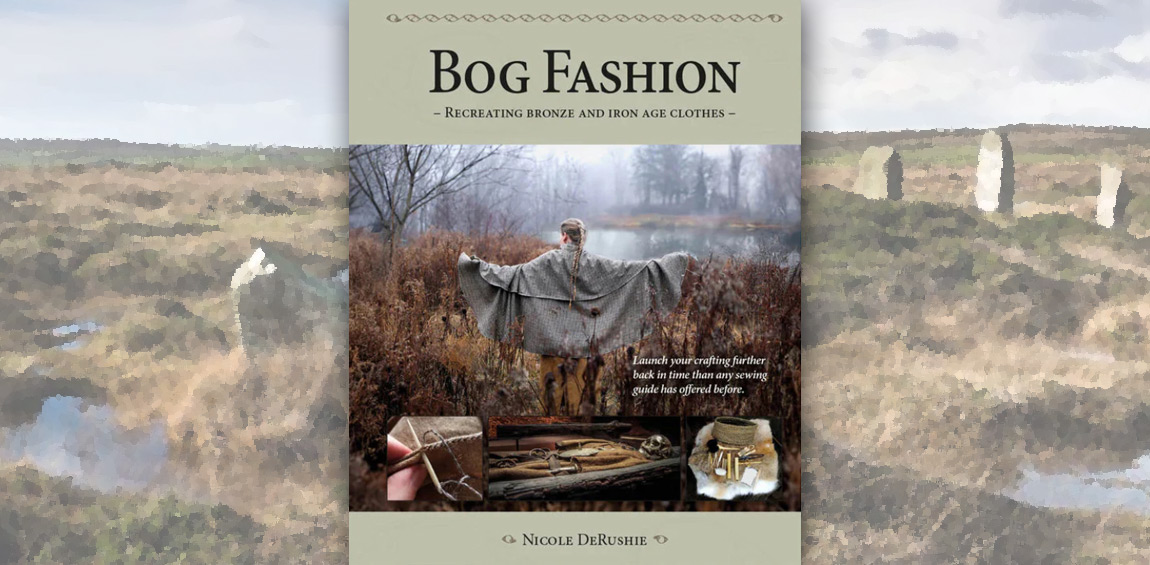
In an age dominated by mass-produced garments made from polyester or low-grade cotton, people are increasingly turning towards high-quality, traditional materials such as wool and linen. These natural fibres not only offer superior practical qualities, keeping one warm in the cold and cool in the heat, but also tend to look far better (though that, of course, remains subjective) and are vastly more durable. Could it then also be time to revisit the classic cuts of prehistory? Is fashion “from the bog” ready to step into the spotlight? With the publication of works such as Bog Fashion. Recreating Bronze and Iron Age Clothes by Nicole DeRushie, this possibility seems ever more plausible.
A Missing Link in the Chaîne Opératoire
Publication Date
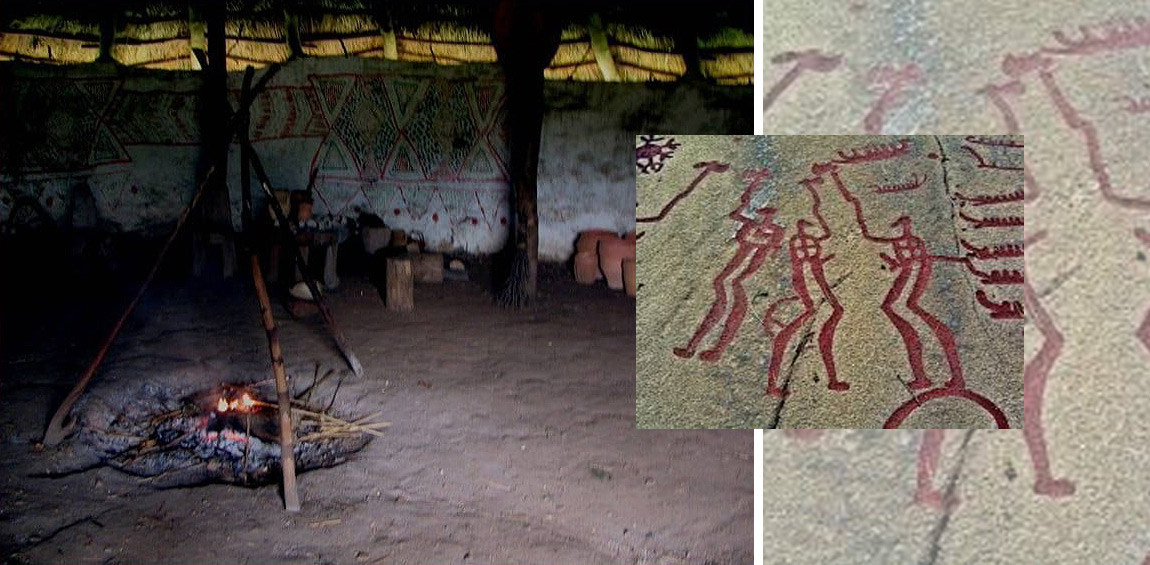
How elitist attitudes shape archaeological interpretations. A curious misunderstanding arose while writing about Bronze Age metalworking hearths and smiths. I stated that no tools are found at metalworking sites after the work was completed as the tools and materials would have been taken away. The reader took the statement to infer that I was arguing for the idea that metalsmiths were itinerant, as described by Gordon Childe (Childe, 1940, p.176); that they packed up and left for another settlement...
Jewels Created from Dirt: An Investigation into the Social Context behind Glass Manufacturing in Late Bronze Age Egypt

Publication Date
This study aims to understand the manufacturing process of glass ingots, particularly blue glass, through the use of different furnace types, including electrical and wood-fired furnaces in varying locations. The study also investigates the use of a separator in the manufacturing process, which would allow for the glass ingots to be easily separated from the crucibles. Various materials such as oil, pure lime, and crushed oyster shells are used as a parting layer in the glass crucibles; both the lime and oyster shell layers are successful in separating the ingots from the crucibles after firing...
Clusters of plasters - An Experimental Analysis of Plaster Production in Prehistoric Cyprus
Publication Date
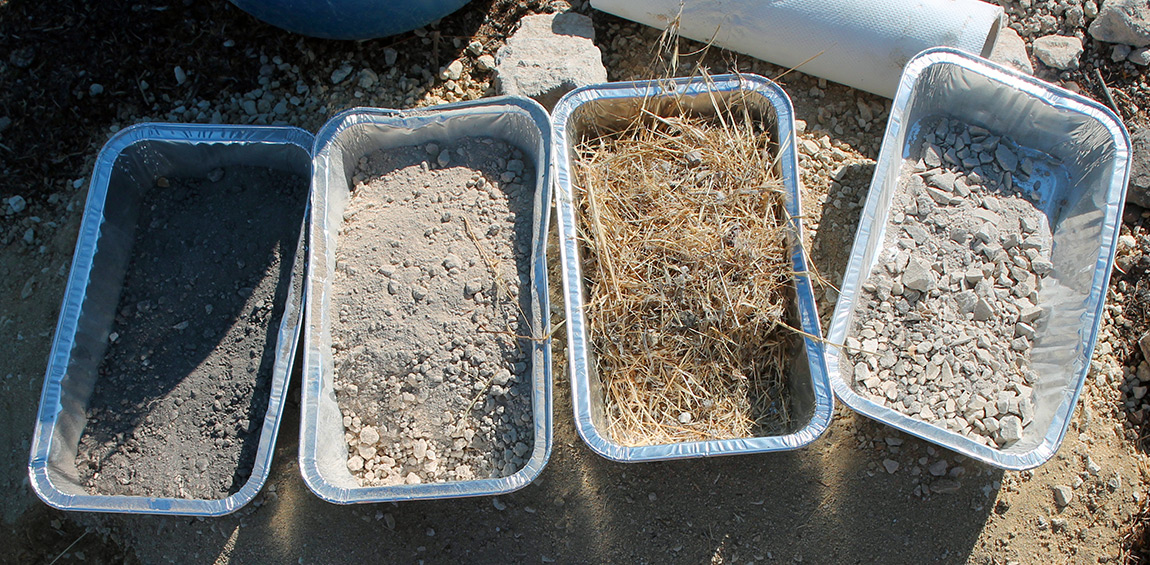
Two distinct types of plaster were produced in prehistoric Cyprus: the lime plaster and the havara plaster. The latter was obtained by mixing the local secondary limestone (havara) with water, with no pyrotechnological process involved. Because lime plaster and havara plaster have very similar characteristics, archaeologists often struggle to distinguish them in the field. An experimental study was undertaken to produce new data that could aid in examining the manufacturing techniques of prehistoric plaster materials in Cyprus...
Shaping Minoan Clay Tablets and Hanging Nodules: Contributions from Experimental Research and X-radiography
Publication Date
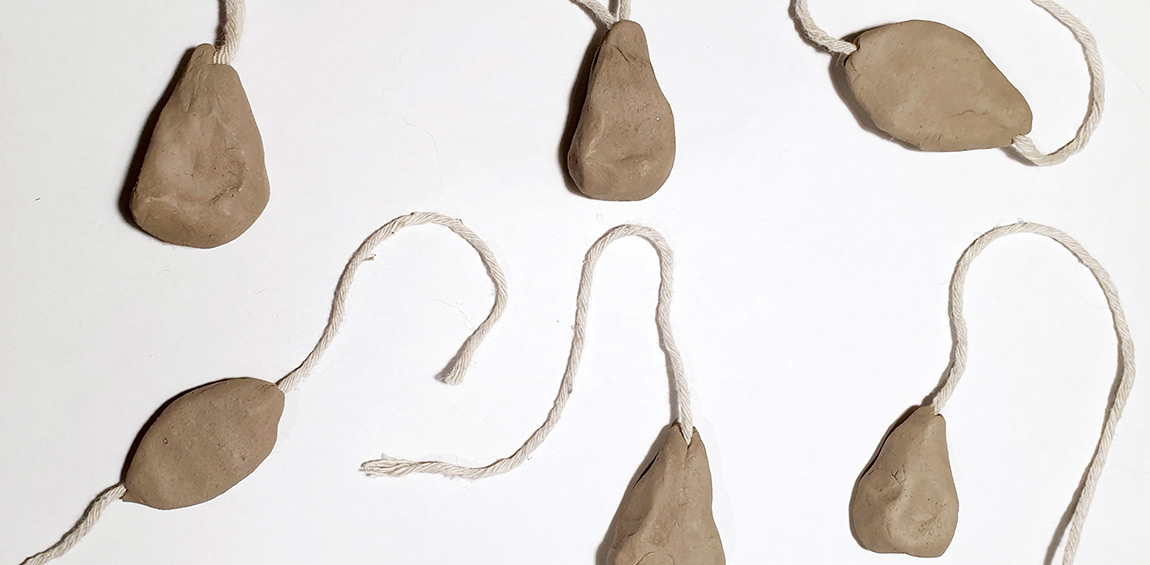
This paper investigates the potential for experimental archaeology and X-radiography to improve our understanding of the manufacture and use of two categories of prehistoric Cretan administrative clay objects: clay tablets and hanging nodules. The results are encouraging: the simple and three-fold tablet shaping techniques can be distinguished confidently, incised writing that was erased can, potentially, be made visible again and...
Event Review: Bronze Casting in Daugailiai, Lithuania
Publication Date
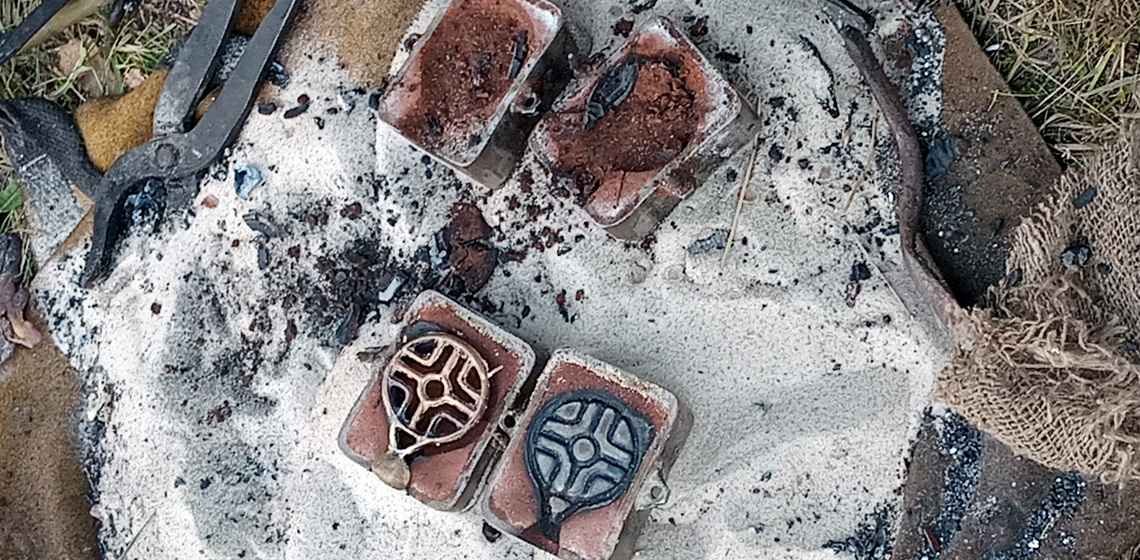
On 13 July 2024 the village of Daugailiai celebrated the 770th year of its founding on with a festival that included demonstrations and experiments in bronze casting. Daugailiai is a village in Utena County in Northeast Lithuania. The village features a hillfort, which is dated to 1st millennium BC-beginning of 1st Millenium AD, upon which a castle was built in 1254 and...
Hay is for Horses: Making and Using a Traditional-Style Irish Straw Harness
Publication Date
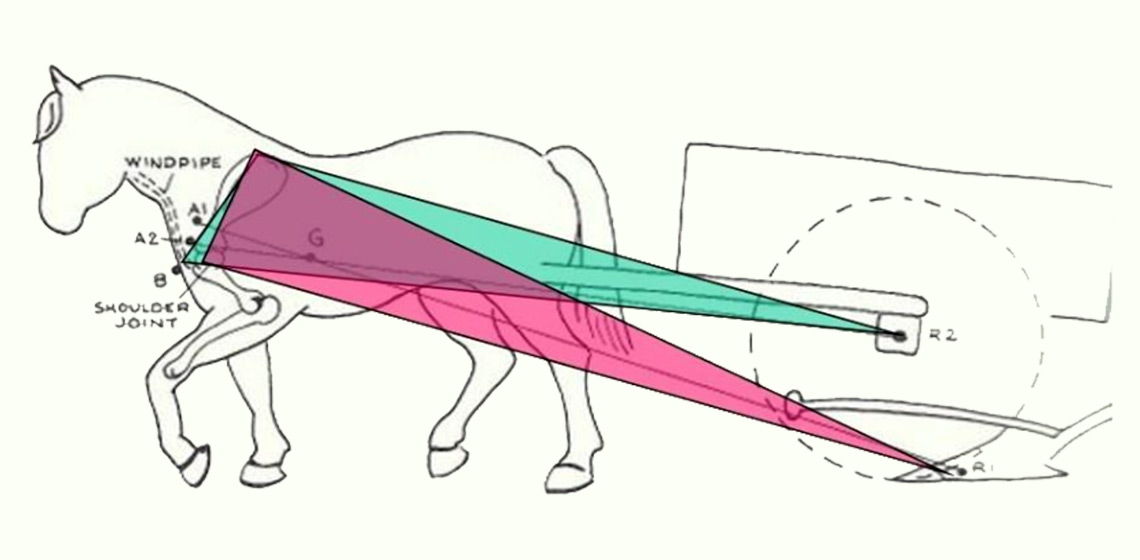
The lack of metal lorinery in the archaeological record of early medieval Ireland is addressed through a hypothesis that post-Iron Age bridles were made of straw and rushes, which did not survive deposition. Reconstruction and testing of a straw bridle show the material to be strong and quite suitable for vernacular use...
Reconstructing the Pyrotechnological Development of the Harappans Using Ethnoarchaeological Parallels in The Region of Ghaggar, India
Publication Date
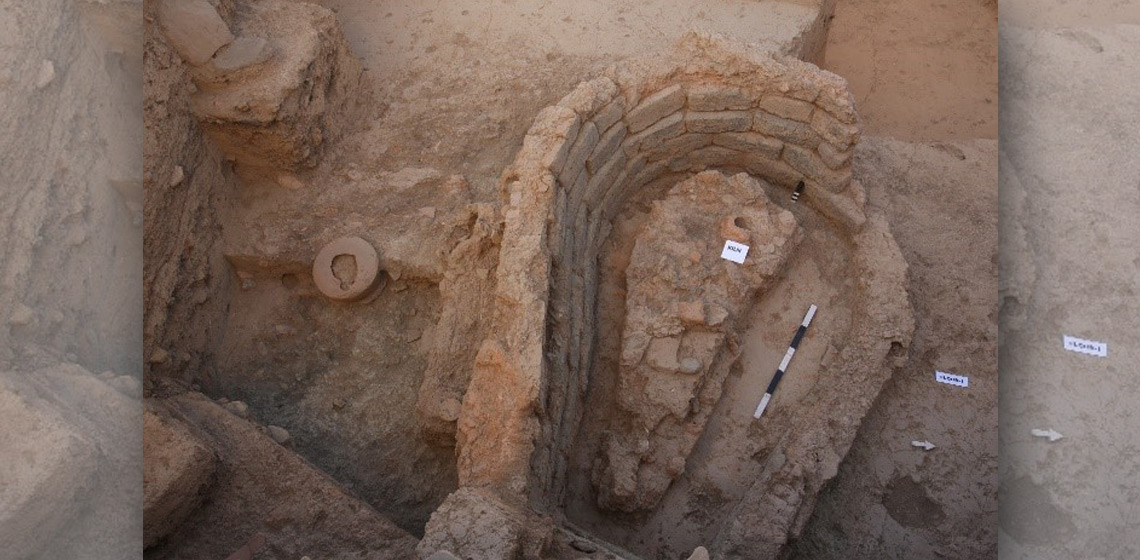
Indus Valley Civilization flourished in India and Pakistan owing to its technological advancements dating back to the 3rd millennium BC. The present paper aims to trace the emergence of pyrotechnology through documenting the industrial settlements that have been excavated in recent years, as well as locating the potential trading network for the craft items being produced at these small settlements on...