
Bronze Age
Event Review: the Bronze Casting Festival at the Bronzezeithof, Uelsen, Germany
Publication Date
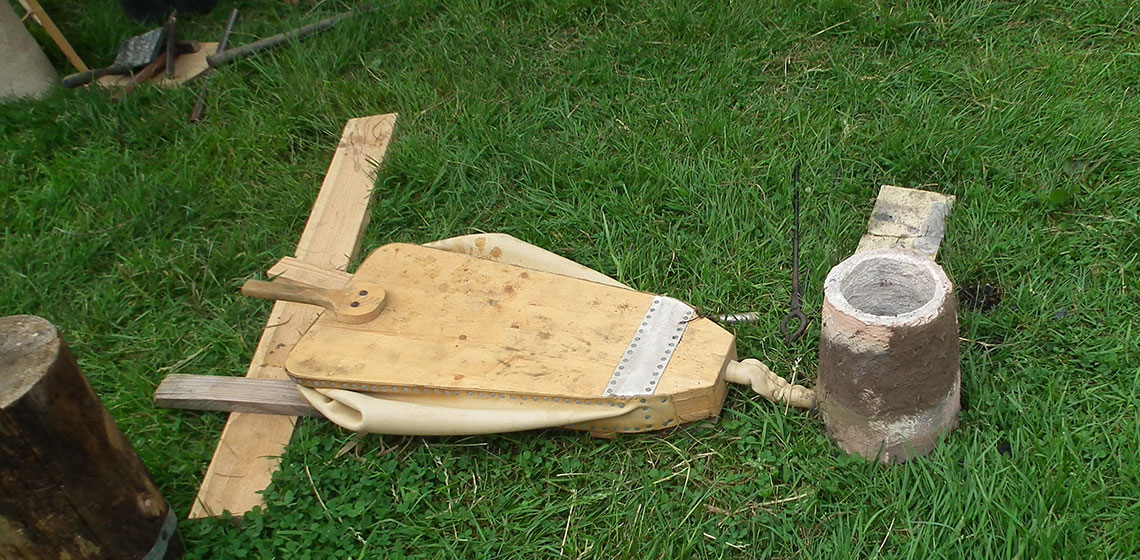
The first Bronze Casting Festival was held in May 2017 at the Bronzezeithof in Uelsen, Germany. The event was organised by Martijn van Es, who has an active interest in bronze casting and experimental archaeology. A call was put forward to skilled metal workers to come to Uelsen to conduct experiments and...
The Colour Palette of Antique Bronzes: An Experimental Archaeology Project
Publication Date
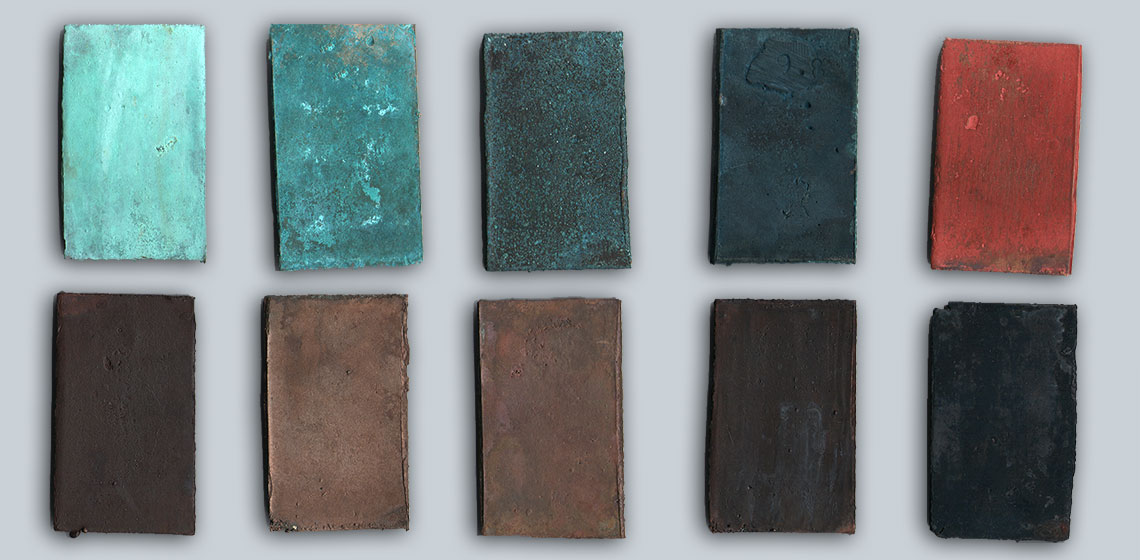
Bronze is an alloy of copper and tin, with lead also added. Hellenistic and Roman bronze objects have a variable percentage of metals, and because of this the colour of the alloy will differ depending on the proportions. The colour of the alloy can be maintained by polishing, but it is also possible to give a patina to the surface of bronze using a reagent...
Prehistoric Beekeeping in Central Europe - a Themed Guided Tour at Zeiteninsel, Germany
Publication Date
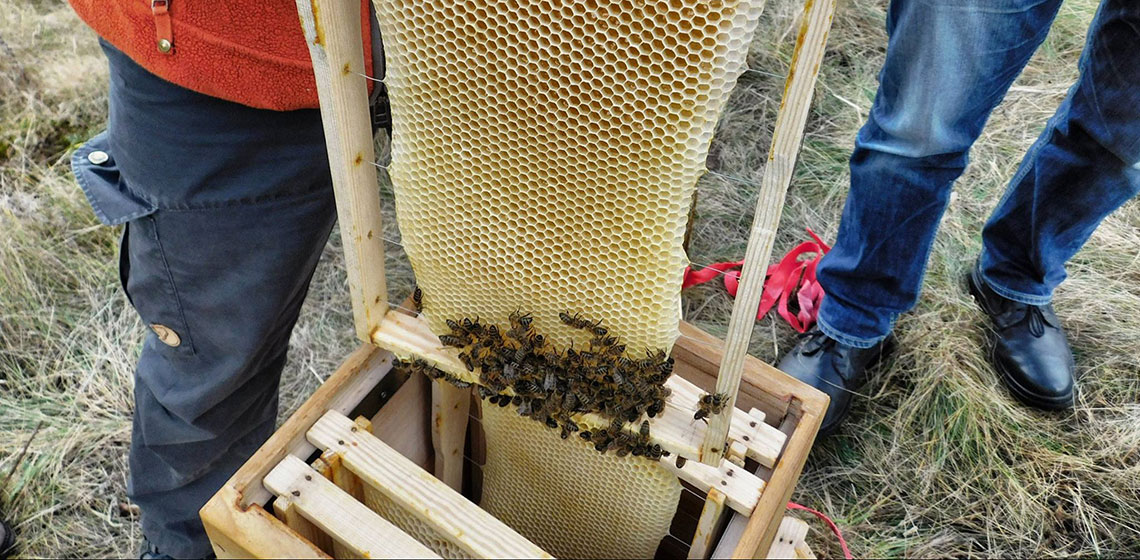
Over the past few years, beekeeping has been a media focal point. Nevertheless There is a paucity of knowledge surrounding the prehistory of beekeeping outside of the information from the east and south Mediterranean regions...
“Days of Living Archaeology” at the Prehistoric Archaeopark Vsestary, Czech Republic
Publication Date
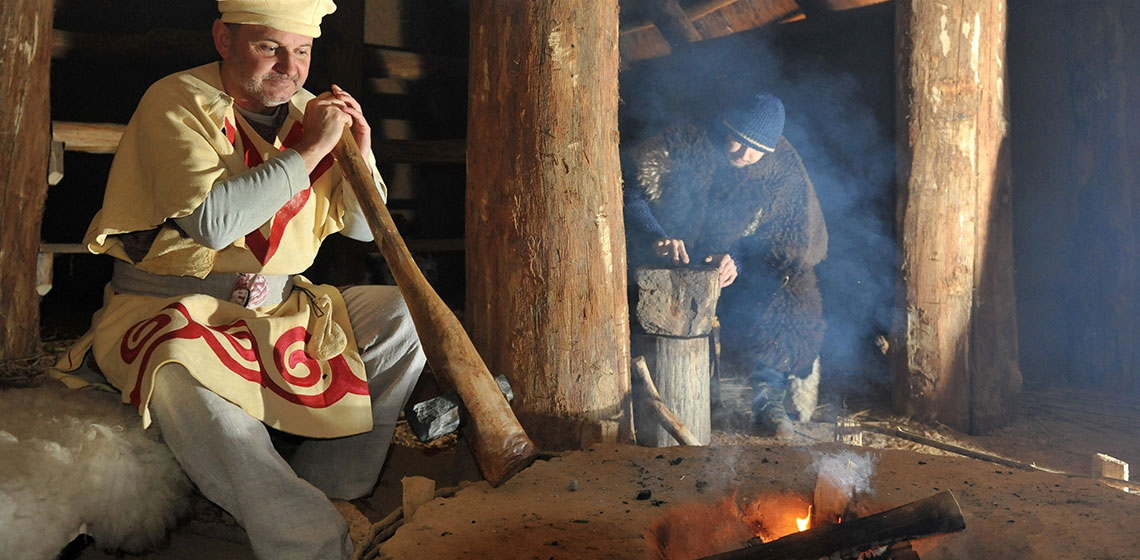
Until recently, the presentation of archaeology in the Czech Republic was solely connected to classic museum exhibitions. Unfortunately, not all museums have archaeological exhibitions. For example, the National Museum in Prague currently does not have any, not even temporary, archaeological exhibition due to the reconstruction of the historical building...
Experimental Archaeology in Latvia: some Possibilities for Future Development
Publication Date
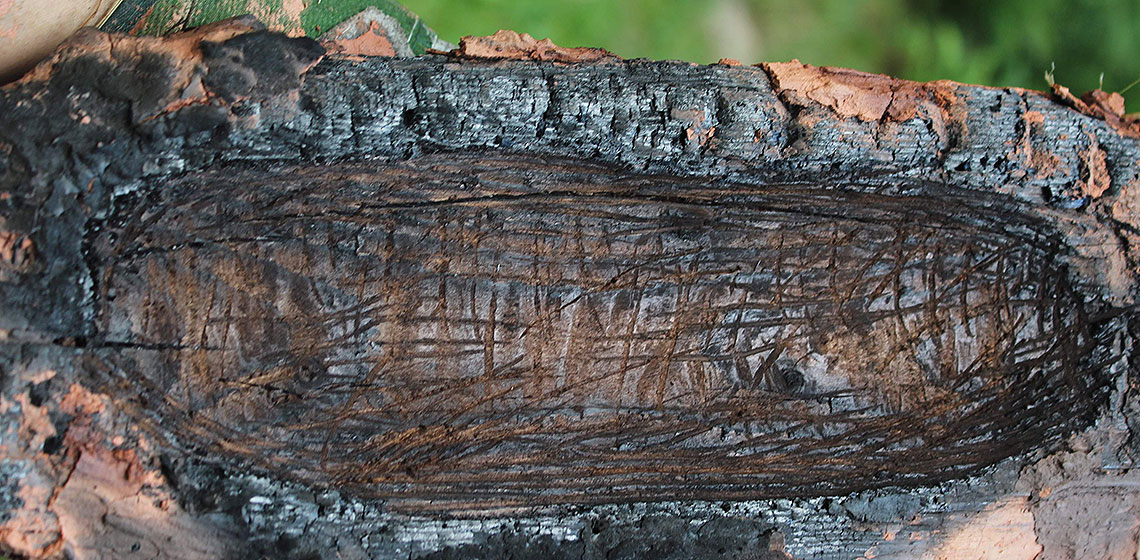
Experimental Archaeology in Latvia, during the past years has acquired a new direction. Although it has a long history of experimental reconstruction, best known for the excavation and rebuilding of the Late Iron Age Latgallian settlement in Āraiši by Dr. Jānis Apals, in last years, after the initiative of the current author...
Book Review: the Lifecycle of Structures in Experimental Archaeology – An Object Biography Approach by L. Hurcombe and P. Cunningham
Publication Date
This book is made up of 16 papers that are a collection of results from a European Culture Project (OpenArch) that ran from 2010-2015. It was edited by Linda Hurcombe and Penny Cunningham. This work is dedicated to the late shipwright Brian Cumby, who was deeply involved with making replicas of several prehistoric boats...
Reconstruction of the Geometric Décor Technology of the Bronze Age Ceramics in Siberia
Publication Date
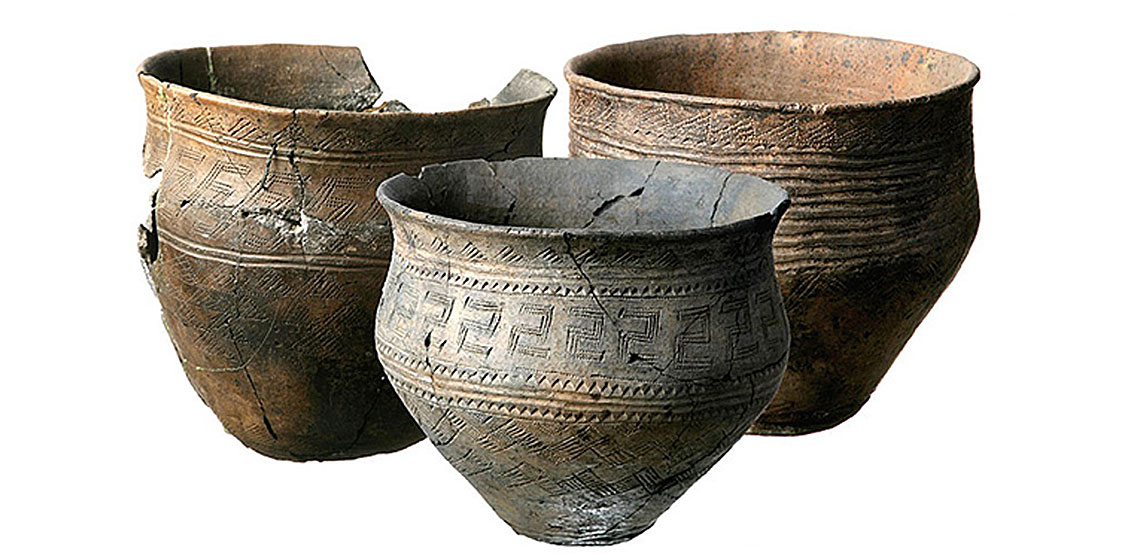
The grassland and forest steppes ranging from the Ural to the Altai-Sayan mountains were dominated by Andronovo Family cultures during the second millennium BC (the Bronze Age) (Koryakova & Epimakhov 2007; Мартынов 2005). The Andronovo dated ceramic series were characterized by a distinctly expressed geometric ornamentation style...
A Minoan Experimental House – Paying Tribute to Middle Bronze Age Cretan Vernacular Architecture
Publication Date
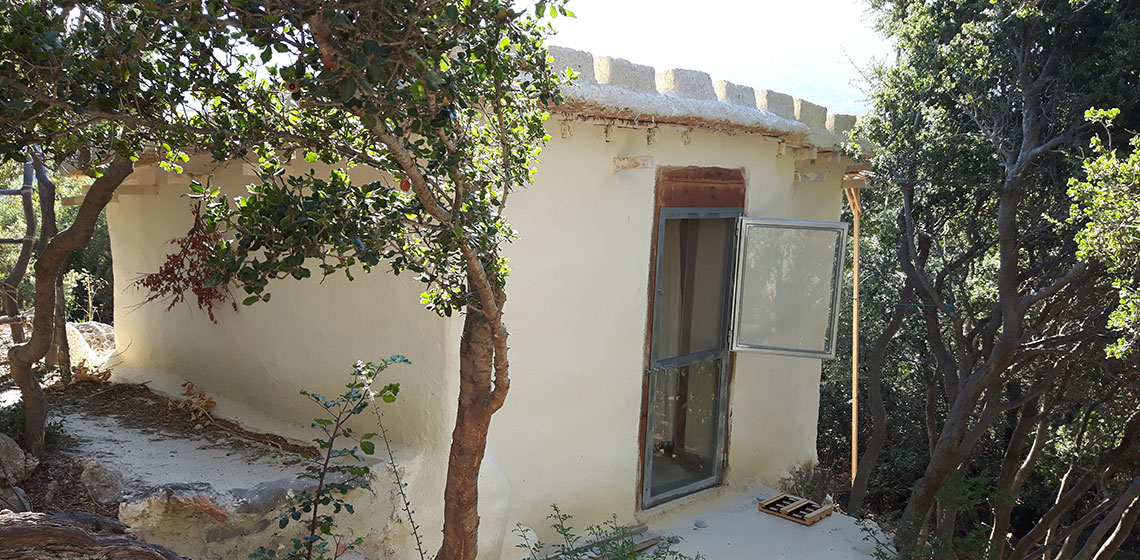
In the mountains south of Agios Nikolaos, north-east Crete, the Minoans of the Middle Bronze Age (2000-1650 B.C.) left behind several kinds of ruins, which were studied in my PhD thesis (Beckmann 2012a). The 337 ancient sites discovered during this investigation were arranged in a loose settlement pattern, with dwellings ca. 150 m from each other, composed of manifold field- enclosures and animal pen walls surrounding variably sized houses and connected by an extensive network of paths.
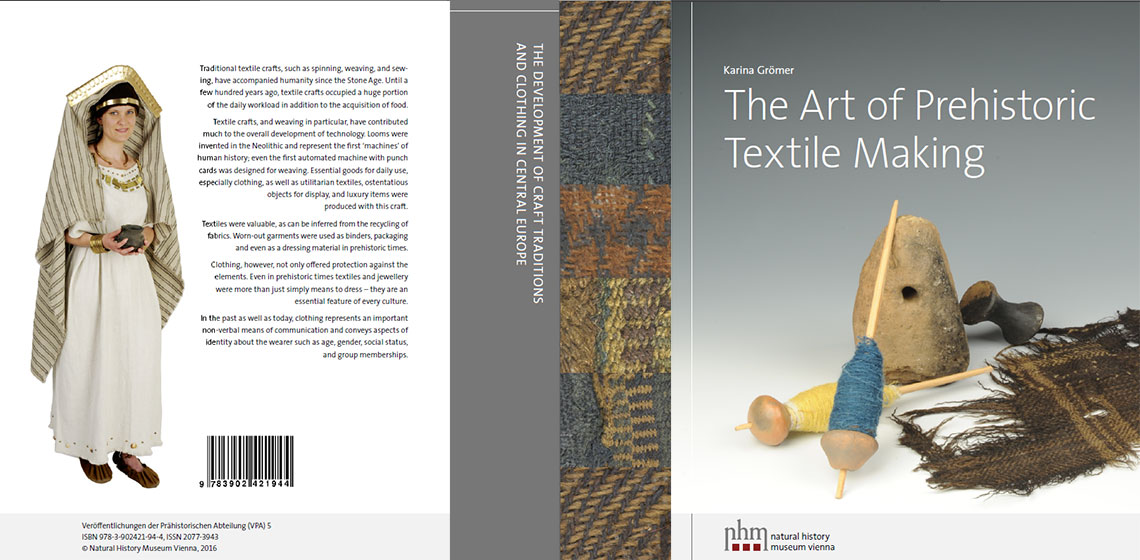
Book Review: The Art of Prehistoric Textile Making: The Development of Craft Traditions and Clothing in Central Europe by Karina Grömer
Publication Date
Textile research has made significant advances in recent years as new technologies and methods are developed, tested, and applied to the analyses of archaeological textiles. The FWF-Project1, a collaborative research effort involving researchers and artists from institutions in Austria, the Netherlands, and Germany, engaged in ...
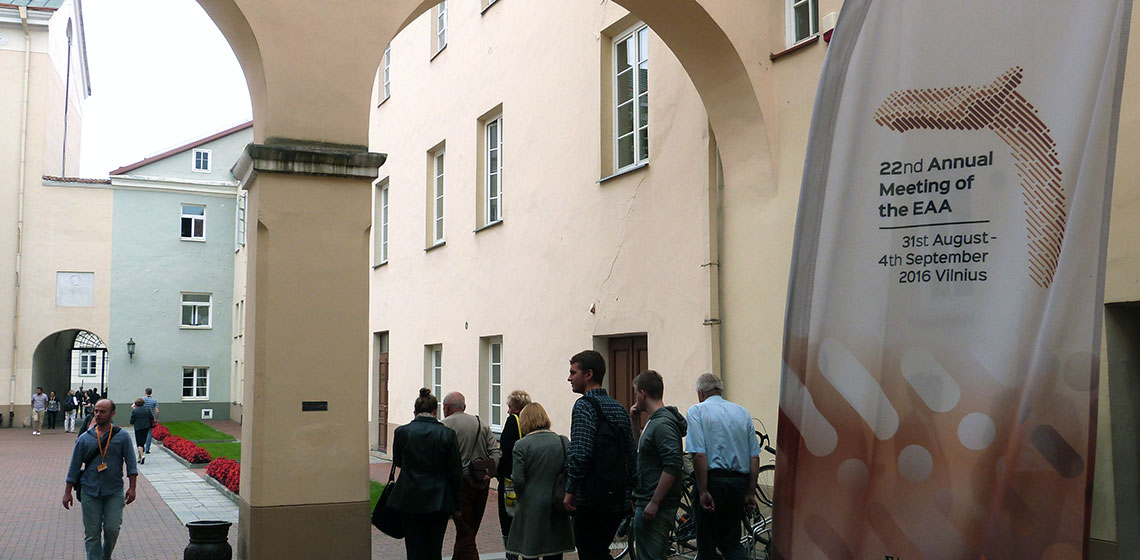
Conference Review: EAA Vilnius – about Archaeological Tourism, Visualisation, Experiment and Reconstruction
Publication Date
The European Association of Archaeologists held its annual conference of 2016 in Vilnius, Lithuania. About 1,500 participants attended a programme, with a similar number of papers, in over 100 sessions. About a dozen EXARC members attended; what follows here is a review of three sessions...