Early Middle Ages

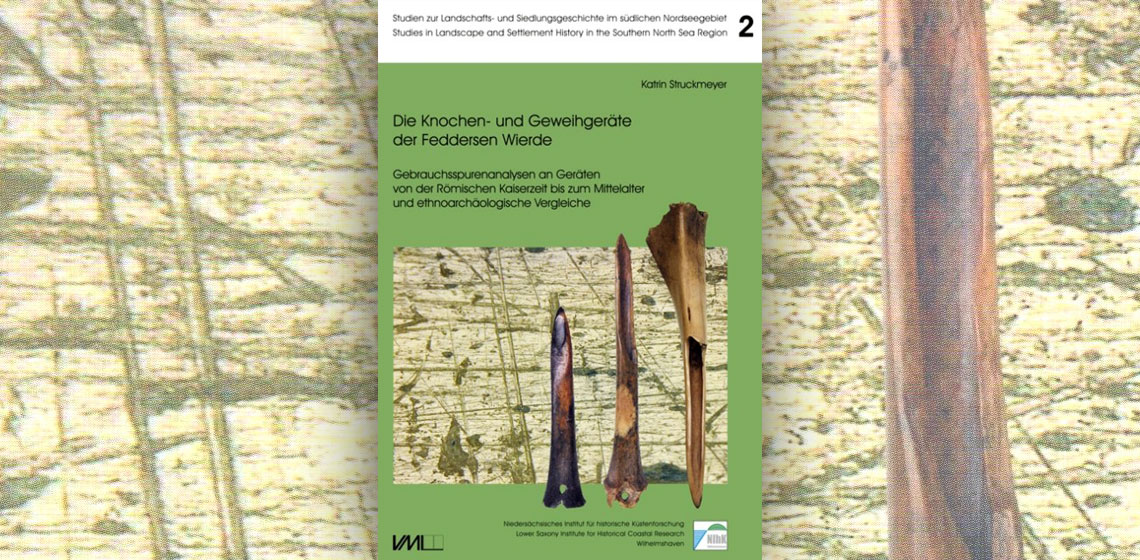
Book Review: Die Knochen- und Geweihgeräte der Feddersen Wierde by Katrin Struckmeyer
Author(s)
Wietske Prummel 1 ✉
Publication Date
The purpose of this book, which was originally presented as a dissertation at Hamburg University, is to present the 1,293 bone, antler, horn and ivory tools that were found at the terp settlement Feddersen Wierde in the coastal area of Lower Saxony, Germany, and to decide on the possible functions of the tools.

Public Outreach in the Drents Museum in Assen (NL)
Author(s)
Blue van der Zwan-Deen 1 ✉
Publication Date
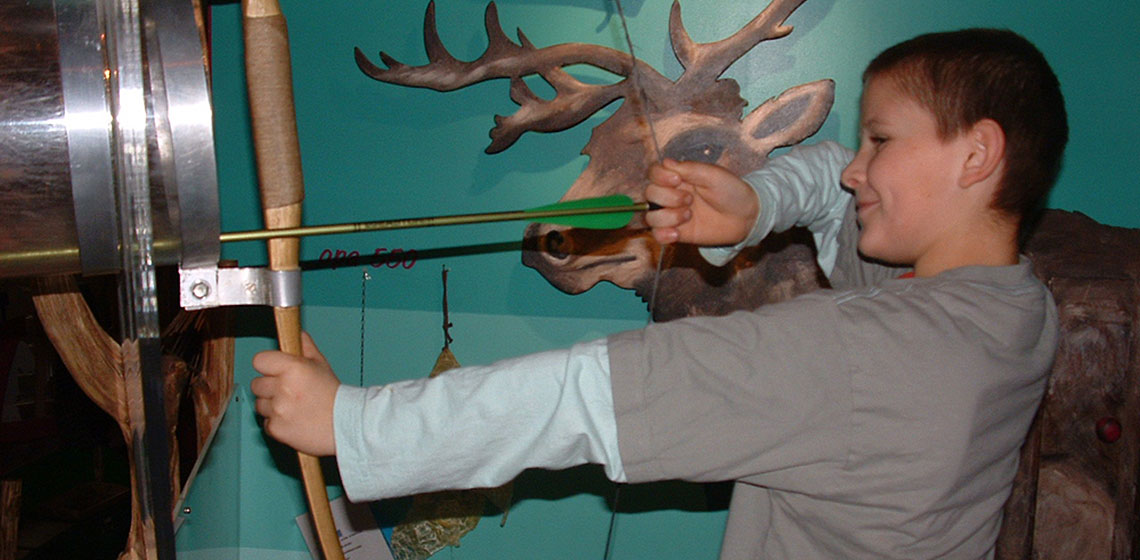
Part of my job as museum teacher at the Drents Museum in Assen is attending to the all the groups that visit our museum. This includes the great number of children, both elementary school and high school students, that visit our museum. A lot of children think of a museum as a boring place where there is nothing to do but look at old paintings...

International Learning Partnership: Living History and Adult Education in the Museum
Author(s)
Susanne Wiermann 1 ✉
Publication Date
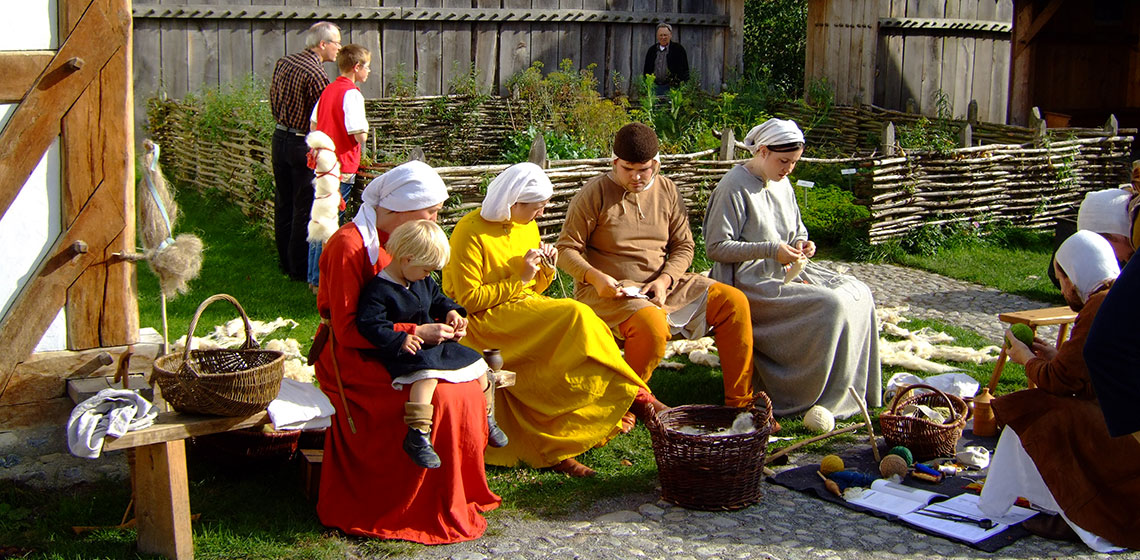
Many archaeological open-air museums and museums with indoor reconstructions choose to interpret history using the method of ‘living history’, or re-enactments. If one only counts the German references, there is wide variety of terms used by museums when they talk of ‘living history’...

Archaeological Open-Air Museums in the Netherlands, a Bit of History
Author(s)
Roeland Paardekooper 1 ✉
Publication Date
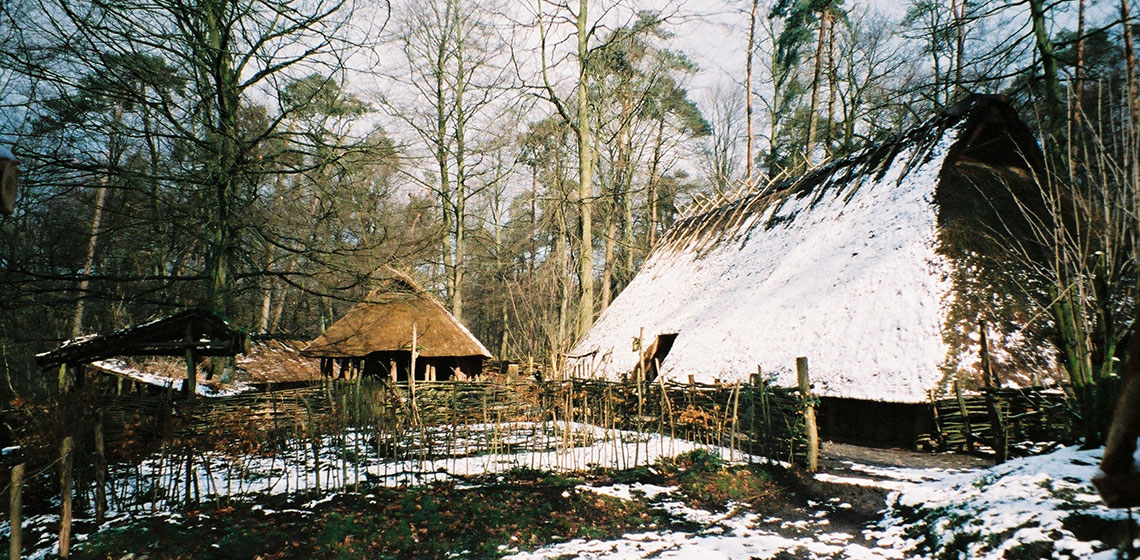
This article is a result of my interest in, and experience with, archaeological open-air museums. With the start of HOME Eindhoven in 1982, I became actively involved in these museums and I was one of the people involved from the first moment in EXARC. From 2005 onward, I have been conducting postgraduate research at the University of Exeter into archaeological open-air museums...

Conference Review: III Congrès Internacional d’Arqueologia Experimental
Author(s)
Sara Graziano 1 ✉
Publication Date
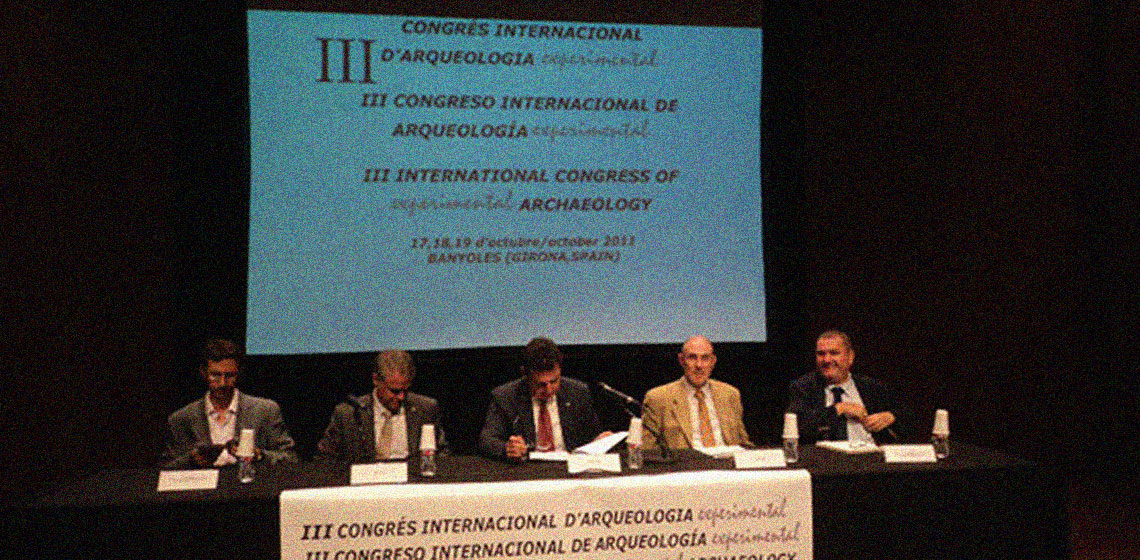
From 17 - 19 October 2011 in Banyoles, Spain, the third international congress of experimental archeology took place, organized by the Asociacion Experimenta. Banyoles 2011 was a very intense conference, with over 50 speakers in three days, the quality of presentations was particularly high, as well as the presence of young, skilled and passionate researchers...

Discussion: Archaeological Reconstruction in Situ
Author(s)
John H. Jameson 1,2,3,4,
Wulf Hein 5 ✉,
Hannah Simons 6,
Heather Hopkins 7,
Paul Bidwell 8,
Hans Trauner 9,
Marquardt Lund 10,
Renger Elburg 11,
Gary Ball 12,
Martin MĂźller 13
Publication Date
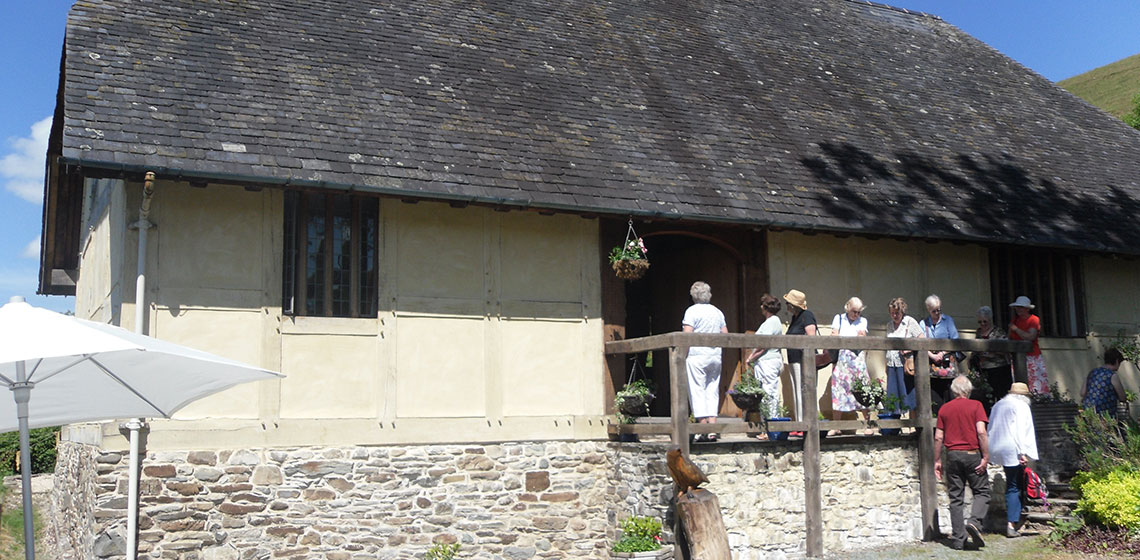
Is interpreting a site’s past only possible at that site itself? Is a site better off without reconstruction and interpretation because it only damages the original material, if any is still left? Or is this the only way to salvage the story of the site for the generations to come? Ten authors were asked to give their views on the quote: “archaeological reconstruction in situ is the best way to tell the site's own story - on site. Otherwise the site is destroyed or the story lost" – and it is not that straightforward a yes or no.

Conference Review: International Archaeological Conference, Trzcinica 2011
Author(s)
Tomasz Leszczyński 1 ✉
Publication Date

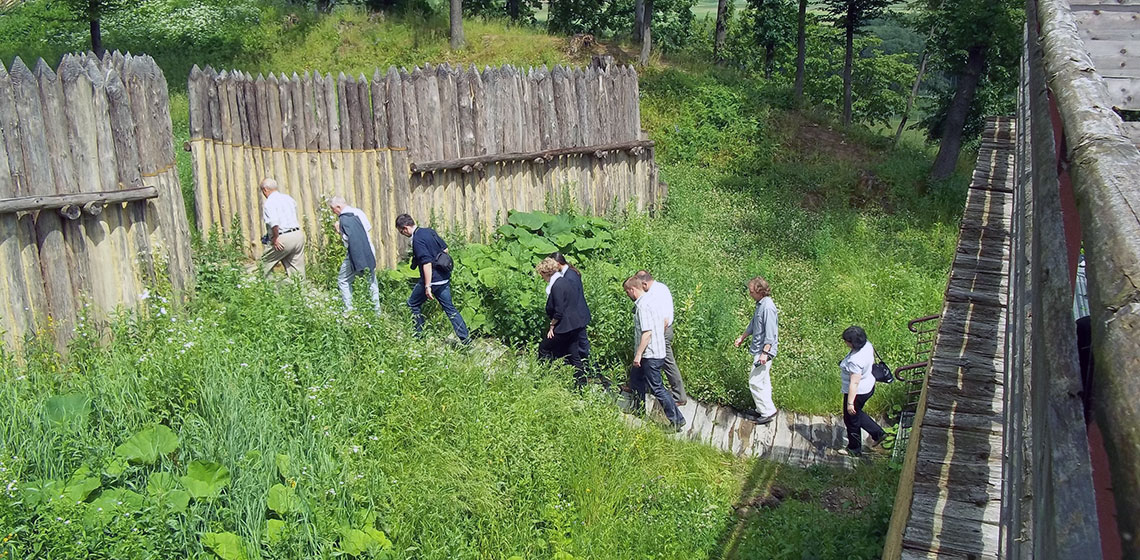
The International Conference on archaeological open-air museums and experimental archaeology: An Opportunity for the Promotion of the Tourist Industry, sponsored financially by the Norwegian Financial Mechanism, was held in the Carpathian Troy Open-Air Archaeological Museum in Trzcinica, Poland, on 9 – 10 June 2011...

Conference Review: Reconstruction “in Situ”, International Archaeological Meeting of Calafell, 2011
Author(s)
Roeland Paardekooper 1 ✉
Publication Date

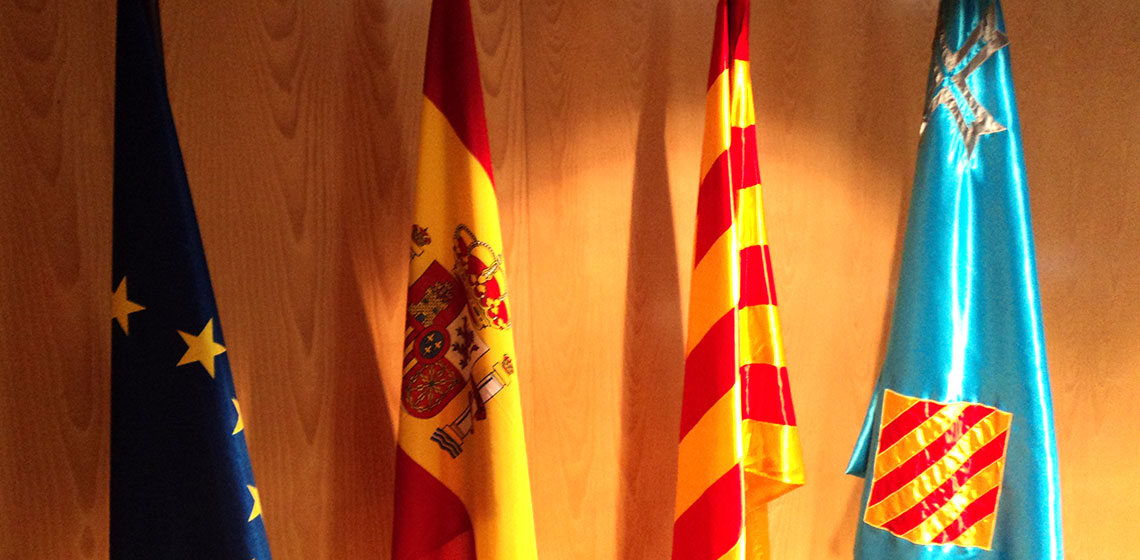
March 2011, EXARC convened for the 17th time, this time in Calafell, Catalonia, Spain. We could go along with the 6th international archaeology meeting of Calafell, a biannual conference. Three days long, from 9:30h in the morning until 19:30h in the evening, we listened to about...