
Late Middle Ages
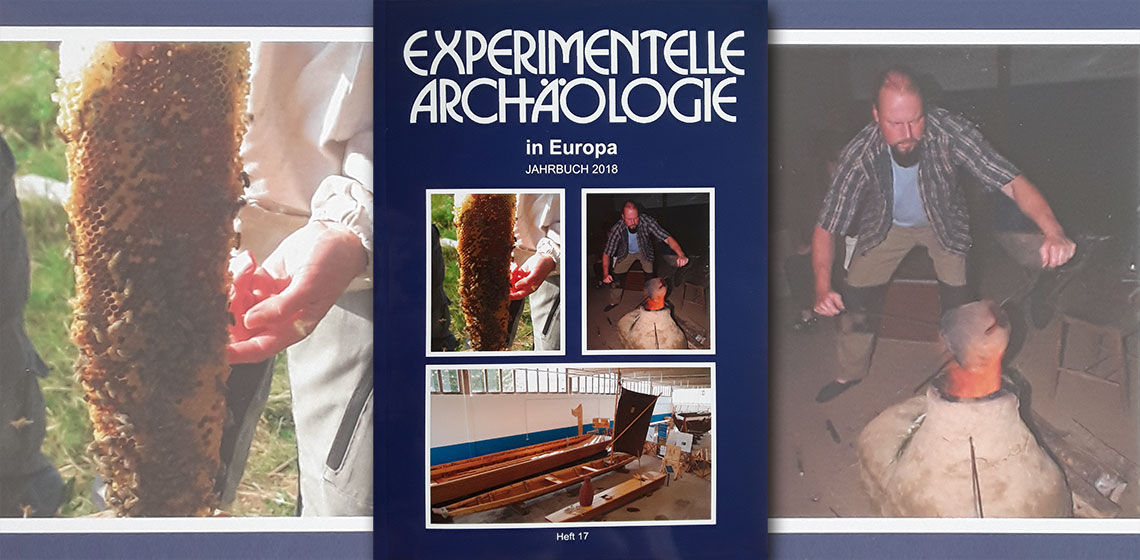
Book Review: Experimentelle Archäologie in Europa, Jahrbuch 2018
Publication Date
Annual Proceedings of the EXAR Tagung
***Like the previous issues, this periodical (Jahrbuch) is published by Gunter Schöbel and the European Association for the advancement of archaeology by experiment e. V. (Europäische Vereinigung zur Förderung der Experimentellen Archäologie) in collaboration with the Pfahlbaummuseum Unteruhldingen...
***Like the previous issues, this periodical (Jahrbuch) is published by Gunter Schöbel and the European Association for the advancement of archaeology by experiment e. V. (Europäische Vereinigung zur Förderung der Experimentellen Archäologie) in collaboration with the Pfahlbaummuseum Unteruhldingen...
Of Boyling and Seething: A Re-evaluation of the Common Cooking Terms in Connection with Brewing

Publication Date
Modern chemistry provides us with a deeper understanding of fermentation, but that does not necessarily translate into an easier interpretation of medieval recipes. Our modern brewing methods and sanitary measures have evolved, and the language and terminology used in brewing has changed over the years. The arcane language of early medieval recipes often makes modern interpretations...
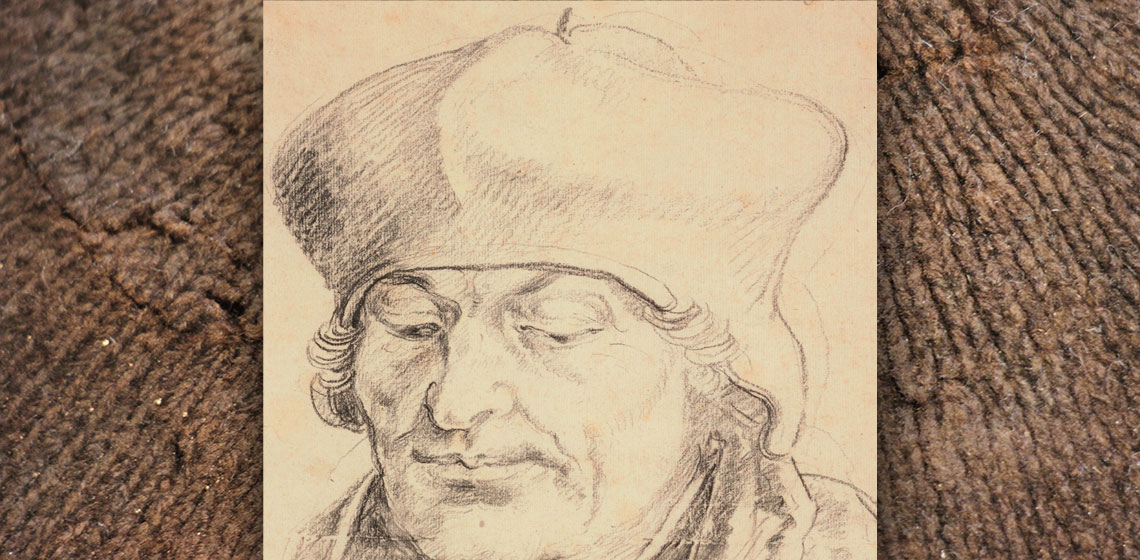
Some Uses of Experiment for Understanding Early Knitting and Erasmus' Bonnet
Publication Date
10th EAC Leiden 2017
***Of Erasmus, prince of humanists (1466?-1536), no less than eight portraits from life survive – all eight in the exact same bonnet. A recently published investigation of this iconic garment (Kruseman, Sturtewagen and Malcolm-Davies, 2016) involved establishing a 250-year typology of the bonnet from iconographical sources, compiling technological and economic data from archival sources, and systematic experiments addressing numerous, various and fundamental questions, from yarn characteristics in archaeological knitted textiles to the use (or not) of hatter's forms in the finishing of bonnets.
***Of Erasmus, prince of humanists (1466?-1536), no less than eight portraits from life survive – all eight in the exact same bonnet. A recently published investigation of this iconic garment (Kruseman, Sturtewagen and Malcolm-Davies, 2016) involved establishing a 250-year typology of the bonnet from iconographical sources, compiling technological and economic data from archival sources, and systematic experiments addressing numerous, various and fundamental questions, from yarn characteristics in archaeological knitted textiles to the use (or not) of hatter's forms in the finishing of bonnets.
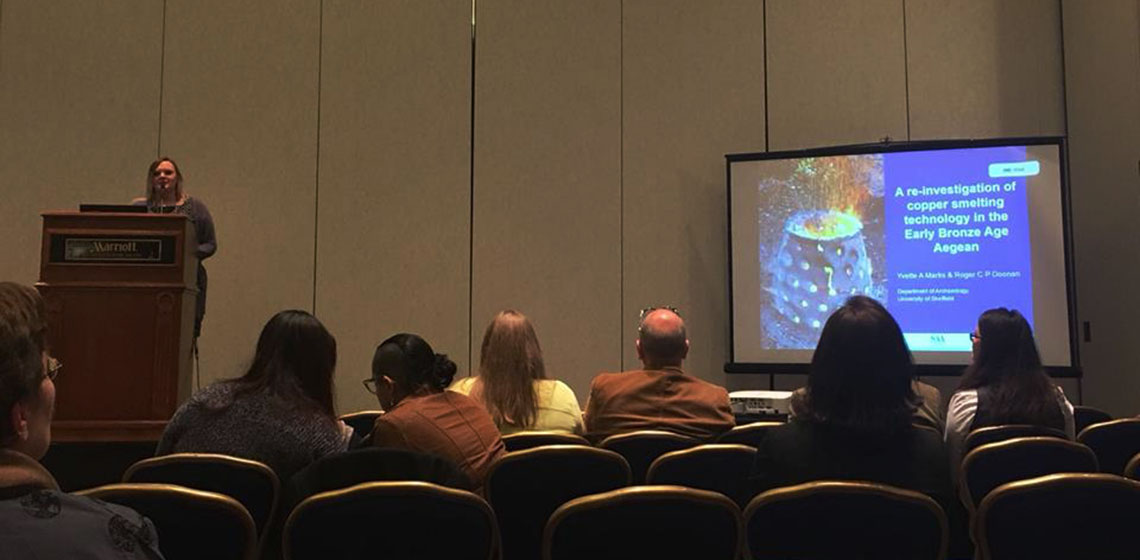
Conference Review: SAA General Session, Experimental Archaeology 2018
Publication Date
The Society for American Archaeology is, perhaps with the exception of the World Archaeology Congress, the largest meeting of archaeologists in the world. The 2018 annual meeting was held in Washington DC and was attended by approximately 5000 archaeologists. Delegates were primarily from the States, but there was also a good international showing with attendees coming from around the world...
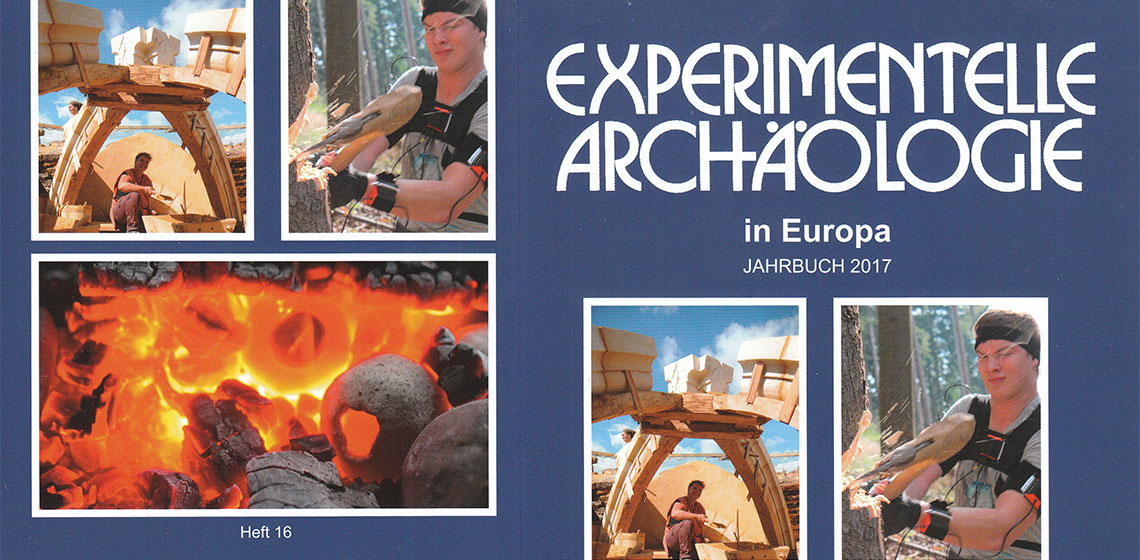
Book Review: Experimentelle Archäologie in Europa, Jahrbuch 2017
Publication Date
Annual Proceedings of the EXAR Tagung
***This volume of Experimentelle Archäologie in Europa does not only serve as 2017’s year book of the European Association for the advancement of archaeology by experiment (EXAR), but also acts as a Festschrift dedicated to Professor Mamoun Fansa, who celebrated his 70th birthday...
***This volume of Experimentelle Archäologie in Europa does not only serve as 2017’s year book of the European Association for the advancement of archaeology by experiment (EXAR), but also acts as a Festschrift dedicated to Professor Mamoun Fansa, who celebrated his 70th birthday...
Conference Review: European Textile Forum 2017
Publication Date
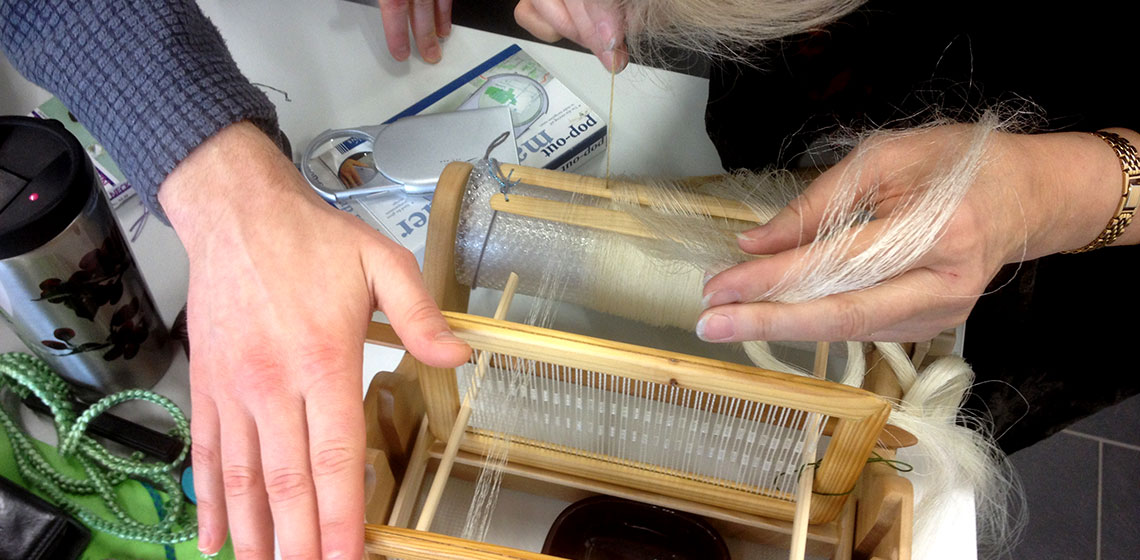
The eighth European Textile Forum took place 6-12th November 2017, organised by Katrin Kania and Sabine Ringenberg. It was held at its adopted home LEA (Labor für Expermentelle Archäologie) in Mayen, Germany, a satellite of the RGZM (Römisch-Germanisches Zentralmuseum) at Mainz, by invitation of LEA director Michael Herdick...
Book Review: Skanseny Archeologiczne i Archeologia Eksperymentalna by Jan Gancarski
Publication Date
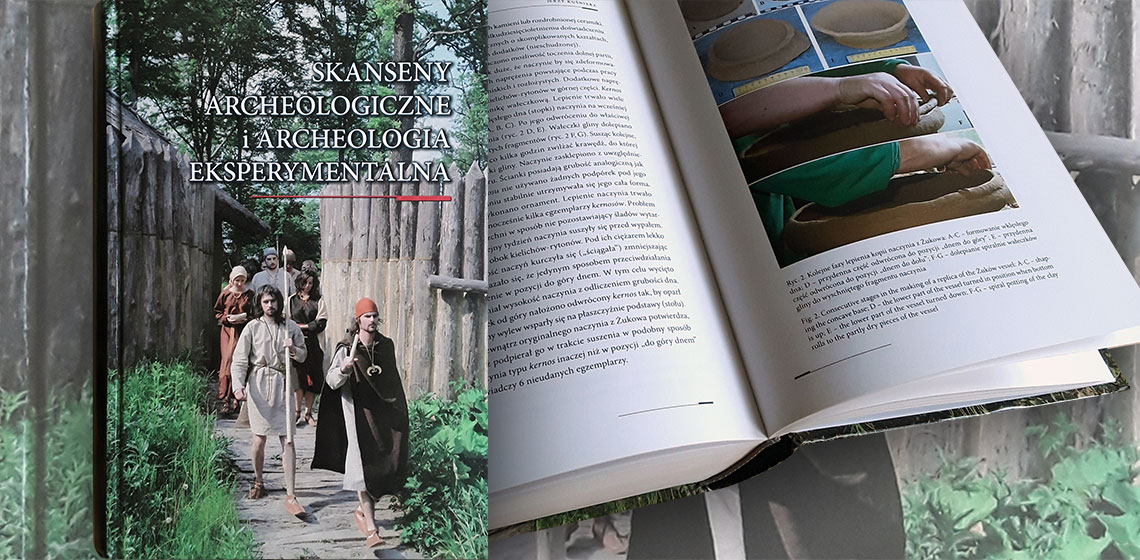
The book Skanseny Archeologiczne i Archeologia Eksperymentalna published by the Podkarpackie Muzeum in 2012 brings up the subject of open-air museums, opportunities and disadvantages of the promotion of cultural tourism and experimental archaeology mainly in Poland but also in Slovakia. Articles presented in this book were prepared for two different conferences organised by this museum...
Book Review: Experimentelle Archäologie in Europa, Bilanz 2015
Publication Date
Annual Proceedings of the EXAR Tagung
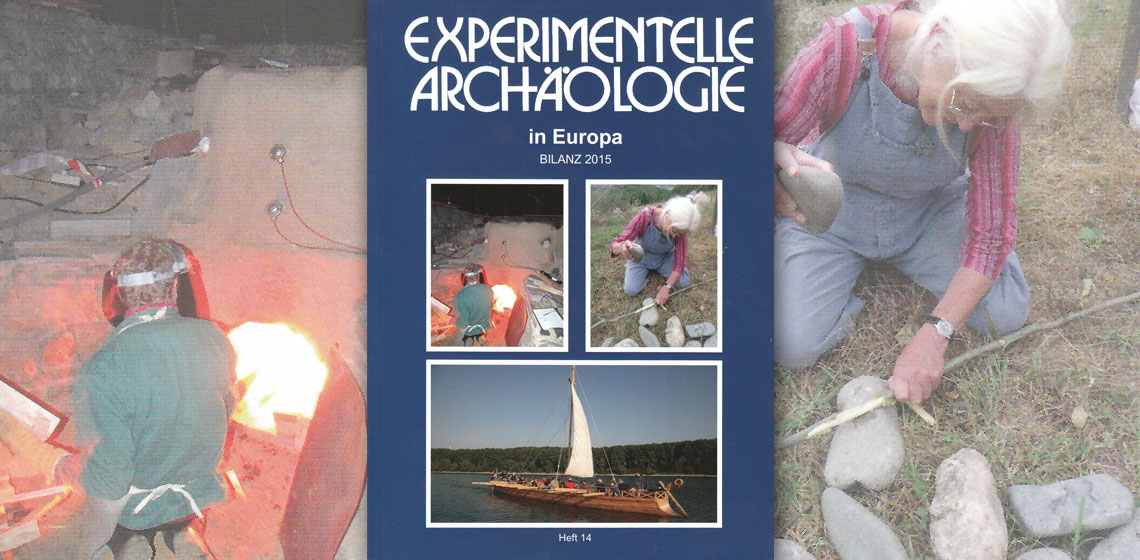
***Volume number 14 of the periodical “Experimentelle Archäologie in Europa: Bilanz 2015” represents the proceedings of the 11th meeting of EXAR held in cooperation with the Labor für Experimentelle Archäologie (LEA), a branch of the Römisch-Germanischen-Zentralmuseums in Mainz (RGZM)...
***Volume number 14 of the periodical “Experimentelle Archäologie in Europa: Bilanz 2015” represents the proceedings of the 11th meeting of EXAR held in cooperation with the Labor für Experimentelle Archäologie (LEA), a branch of the Römisch-Germanischen-Zentralmuseums in Mainz (RGZM)...
Book Review: The Archaeology of Time Travel. Experiencing the Past in the 21st Century, edited by Bodil Petersson and Cornelius Holtorf
Publication Date
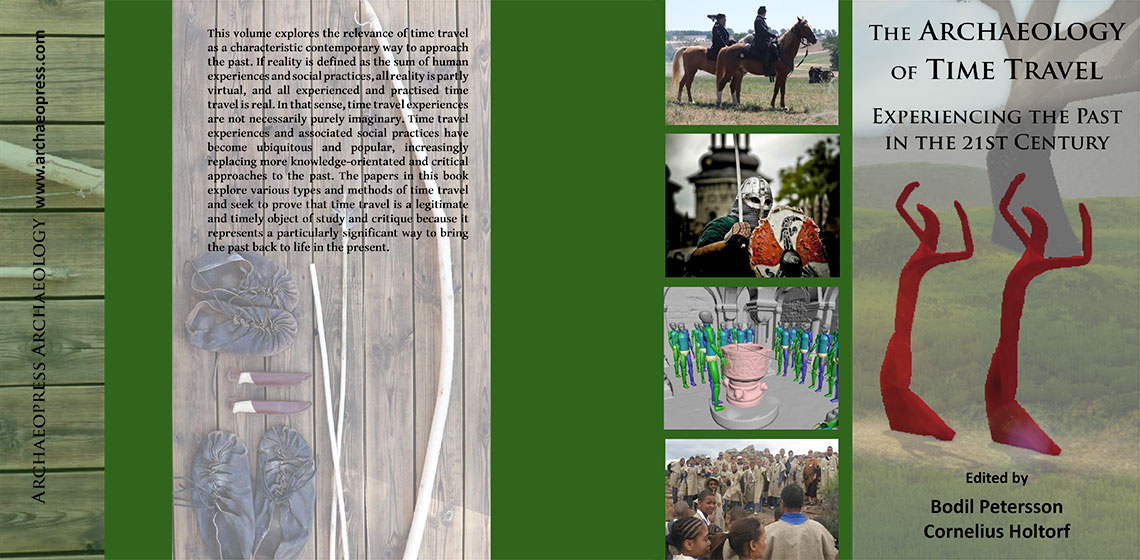
Archaeological time travel, or experiencing the past through re-enactment, virtual reality, popular culture or other means, is presented from multiple perspectives in The Archaeology of Time Travel. Experiencing the Past in the 21st Century, edited by Bodil Petersson and Cornelius Holtorf. The book is freely available in pdf format at http://www.archaeopress.com
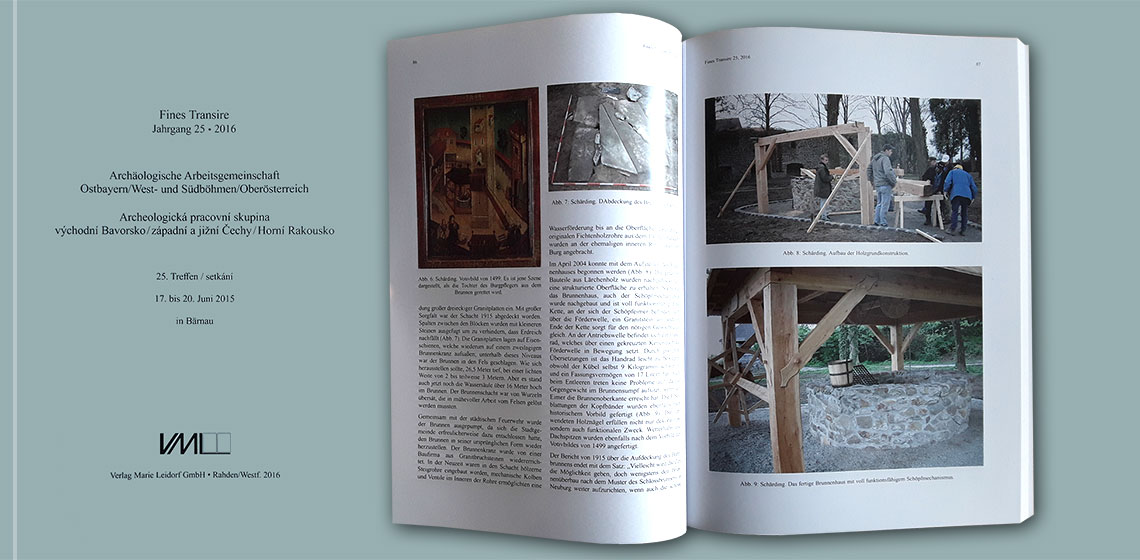
Book Review: Proceedings of the 25th Meeting of Archaeologists from Germany, the Czech Republic and Austria
Publication Date
On the 17th – 20th June 2015 40 participants of the 25th Archaeological working group East Bavaria/ West and south Bohemia/ Upper Austria, were hosted by the Upper Palatinate town Bärnau which lies on the border with the Czech Republic. The meeting took place in the conference hall of the Historic Park Bärnau-Tachov, a remarkable archaeological open-air museum which demonstrates...