
Late Middle Ages
Recreating Historic European Spindle Spinning

Publication Date
Spinning is a vital step in the production of textiles, whereby fibres are drawn out (drafted) and twisted together to make thread. In the present day, several culturally unique types of spinning are recognised, such as the thigh-rolling technique of traditional Navajo spinners who use unusually large spindles in a supported style (Wolf Creek, 2009)...
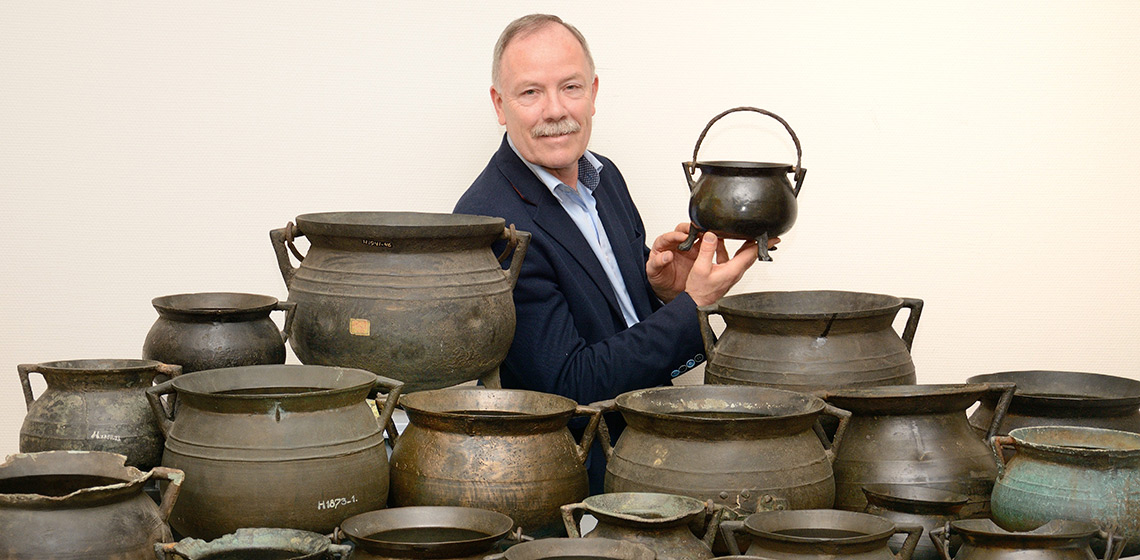
Killing the Cauldron: Experimental Research on Dented Bronze Cauldrons from the (post)Medieval Period
Publication Date
Bronze cauldrons from the late Middle Ages, and the 16th and 17th century are hardly ever discovered during archaeological excavations but are usually unearthed by detectorists having discovered the find of their life. Many of these vessels happen to be damaged. Sometimes one or two legs are lost, or a piece of the rim is missing, more often they exhibit one or more dents. We know that in prehistory the ritual...
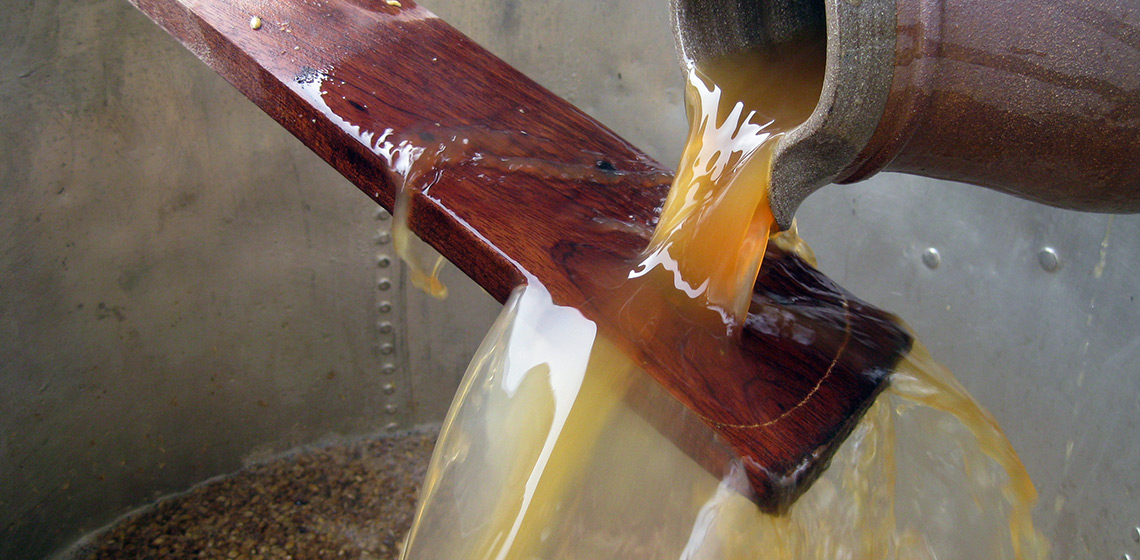
The Ancient Magic of Malt: Making Malt Sugars and Ale from Grain Using Traditional Techniques
Publication Date
The transformation of grain into malt, malt sugars and ale is a three step process. First, the controlled germination (malting), then ‘mashing in’ and collecting a sweet liquid known as wort and finally, the fermentation by pitching the yeast which converts the sugary wort into an alcoholic beverage. Each step requires different conditions for the process to work. They cannot be combined...
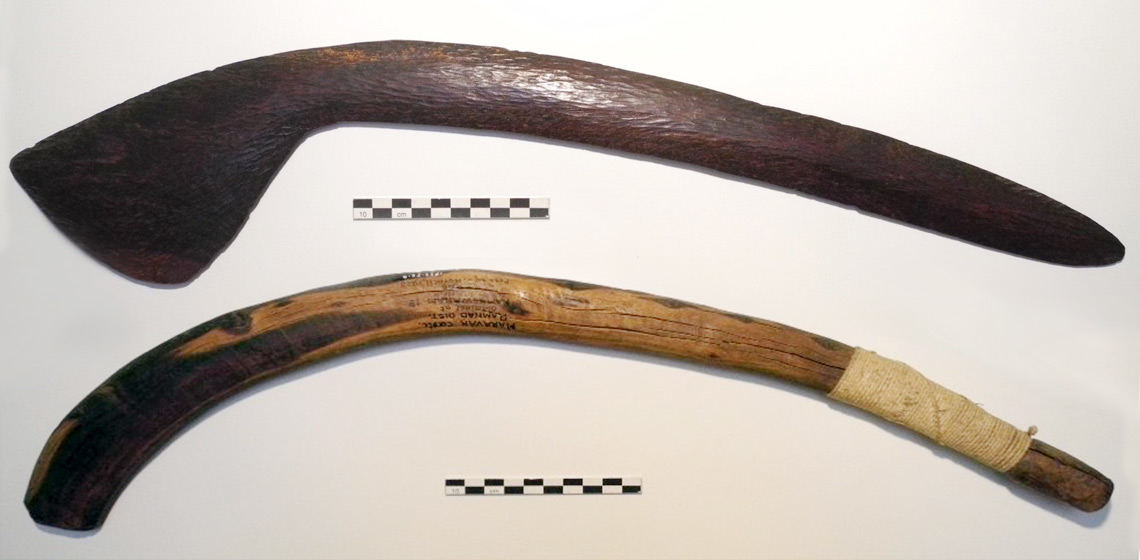
Traces of Manufacture, Use, Repair and Modification Observed on Ethnographic Throwing Sticks and Boomerangs
Publication Date
Throwing sticks and boomerangs are present in the collections of many French and international museums. Collected mainly in the 19th and 20th centuries by travelers, they were mainly analyzed from a stylistic point of view, to relate them to their region of origin. Some of these objects were made by the indigenous populations especially to be exchanged with Europeans and only bear macro-traces of manufacture...
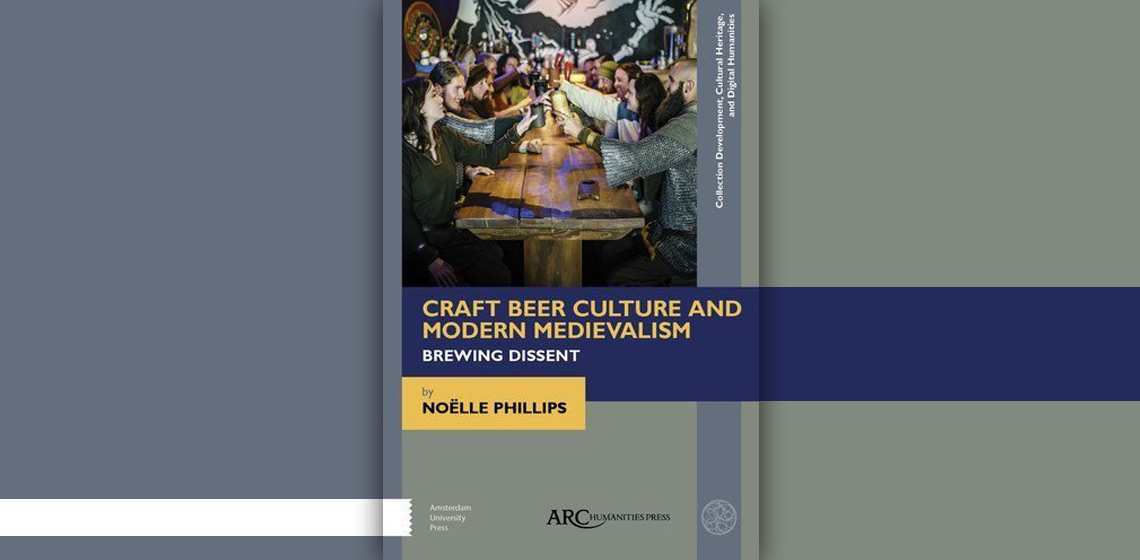
Book Review: Craft Beer Culture and Modern Medievalism: Brewing Dissent by Noëlle Phillips
Publication Date
In Craft Beer Culture and Modern Medievalism: Brewing Dissent, Noëlle Phillips takes a critical look at the people and legends of craft beer and the ways in which medievalism and masculinity have shaped the industry of craft beer brewing. Craft beer may seem to be a rather flippant choice for an analytical scholarly study, but it is a movement deeply infused with modern assumptions...
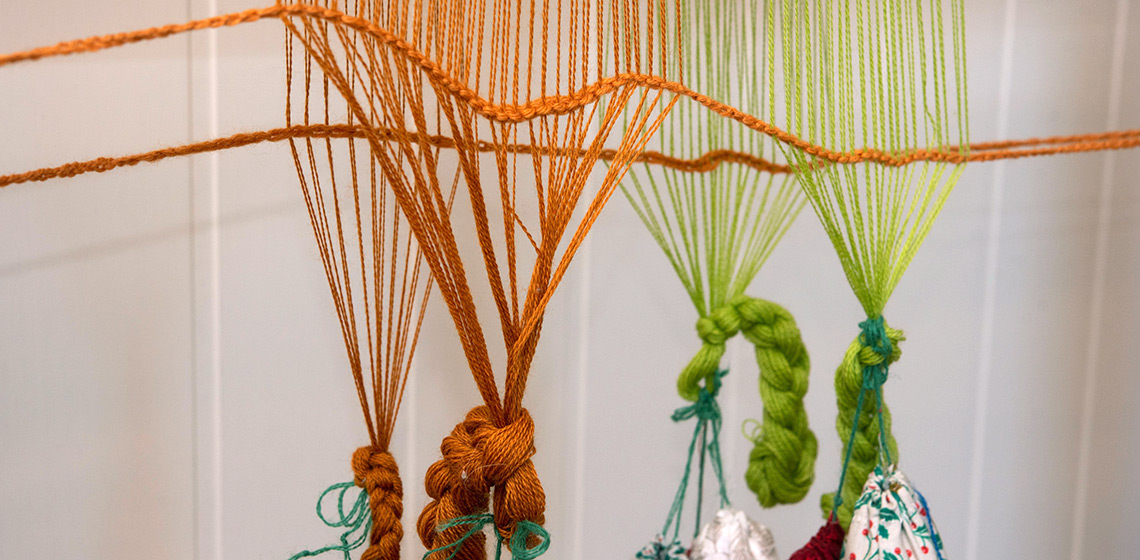
The Shroud of Turin and the Extra Sheds of Warping Threads. How Hard can it be to Set up a 3/1 Chevron Twill, Herringbone on a Warp-weighted Loom?
Publication Date
On the 10 May 2020, Mr. Hugh Farey sent me an email. He introduced himself as “a researcher into the weaving of the linen cloth known as the Shroud of Turin”. Then he described the size of the Shroud and how it looked. His question to me was this: “If you had a piece of cloth as described and looked at it closely, could you tell if it was made by a warp-weighted or treadle loom, or would there be no difference?”...
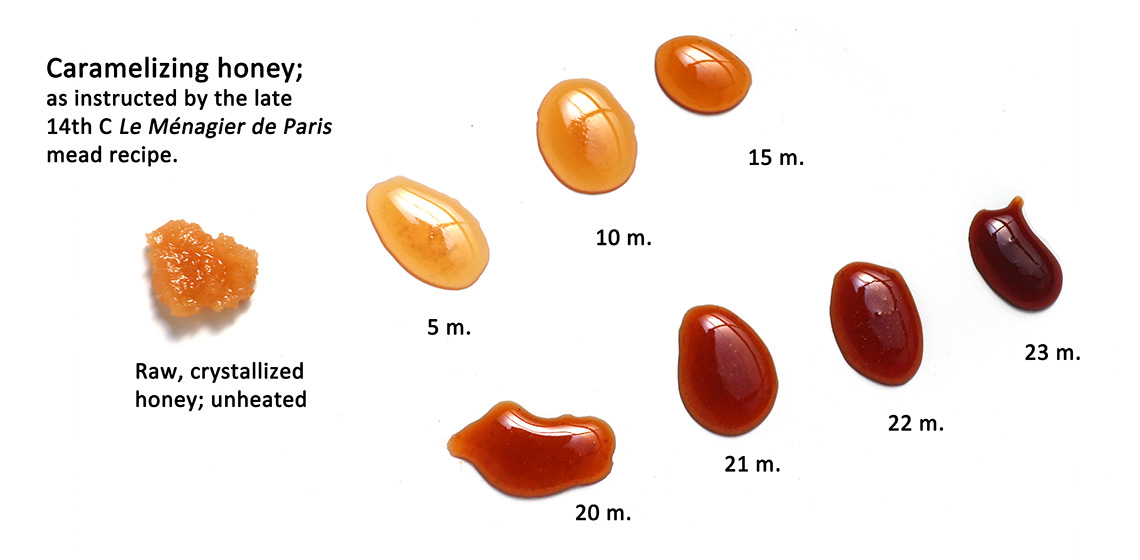
An Analysis of Contemporary Sources to Uncover the Medieval Identity of the Drink Bochet
Publication Date
When Le Ménagier de Paris (1393), a medieval household manual detailing a woman's proper behavior in marriage and running a household, was newly translated and republished as The Good Wife’s Guide: a Medieval Household Book by the Cornell University Press in 2009, its collection of recipes – including one for bochet – became easily available to the general public...
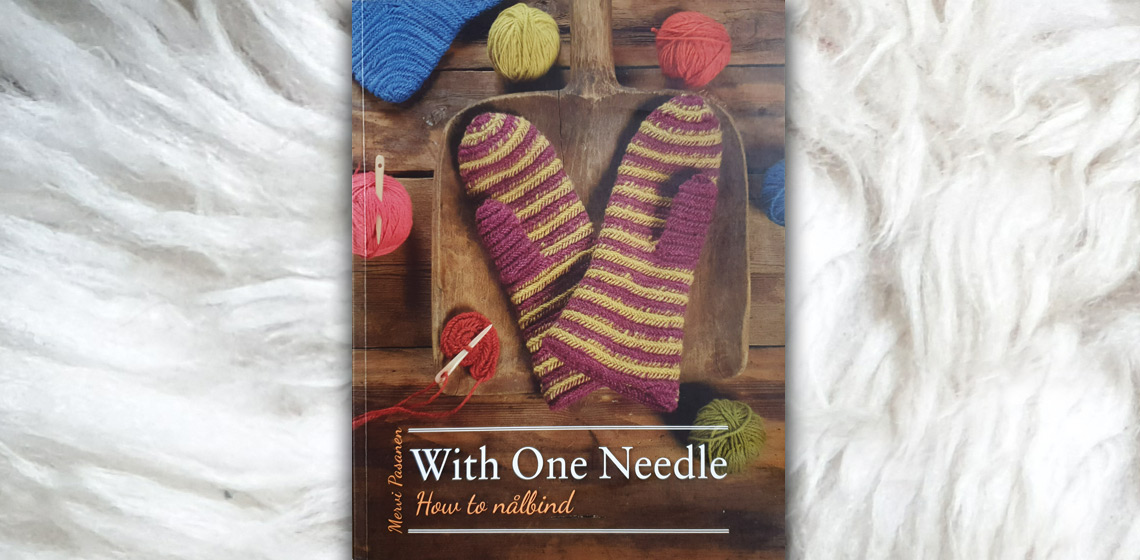
Book Review: With One Needle: How to Nålbind by Mervi Pasanen
Publication Date
In the modern world currently, there is an interest in and desire to understand ancient craft technologies, along with learning the practical side of these skills. Nålbinding is a craft which has been taught and demonstrated for the last 50 years, mainly within heritage and re-enactment communities. The cultural and social history of this craft has survived as a narrative better in some countries than others...
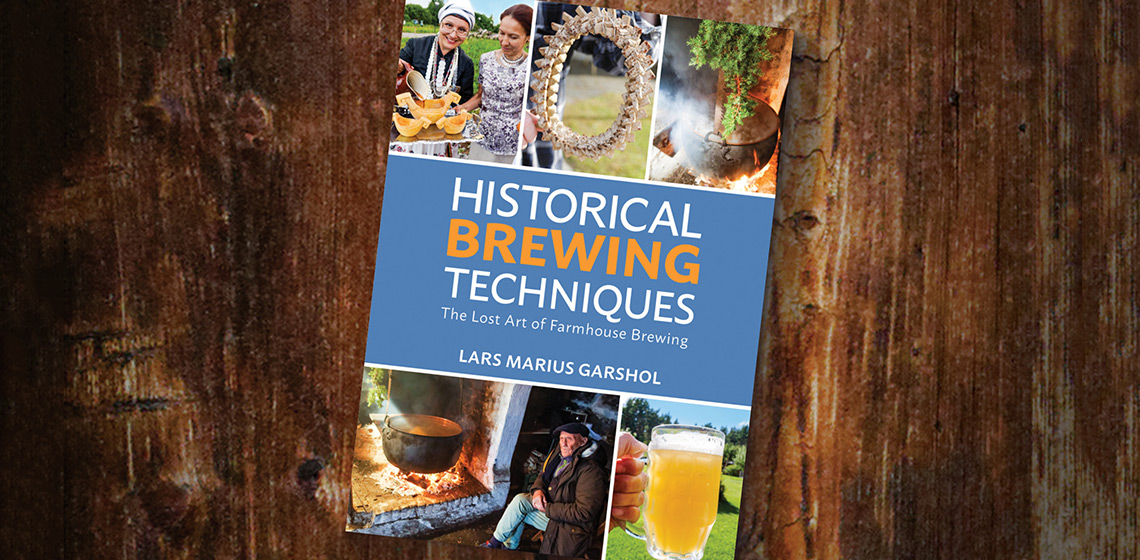
Book Review: Historical Brewing Techniques by Lars Marius Garshol
Publication Date
My fascination with Scandinavian yeast rings let me to meet Lars Marius Garshol, online, several years ago. It was refreshing to meet someone, even if only online, who, just like I, enjoys the practical aspects of enjoying and brewing a good home brew as well as being deeply fascinated with its traditions and history. We shared research, compared notes, and had lively discussions, even though...
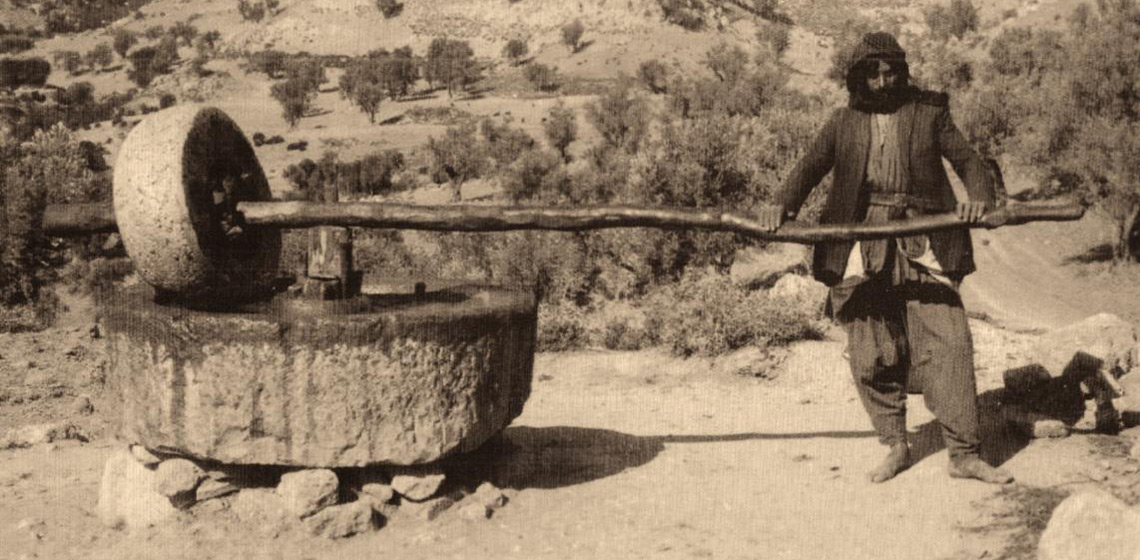
The Vertical Olive Crushing Mill as a Machine and its Energy Balance - A Preliminary Approach
Publication Date
The vertical crushing mill turns the olives into pulp by combining the rotational and rolling motion of a heavy upright stone wheel that moves with continuous contact along a circular horizontal trajectory on a stationary base which forms the system's frame of reference. It was devised during the Hellenistic period and served as one of the most important and impressive means of production in the pre-industrial olive mills of Crete and the Mediterranean in general, until more advanced mill types gradually started replacing it from the mid-19th century onwards.