
Late Middle Ages
Conference Review: EAA Vilnius – about Archaeological Tourism, Visualisation, Experiment and Reconstruction
Publication Date
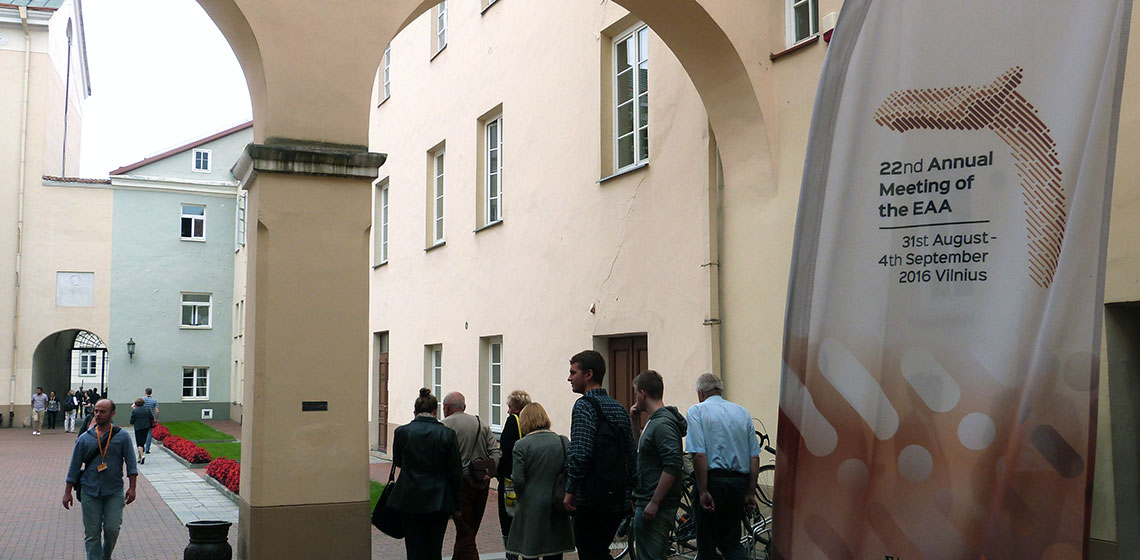
The European Association of Archaeologists held its annual conference of 2016 in Vilnius, Lithuania. About 1,500 participants attended a programme, with a similar number of papers, in over 100 sessions. About a dozen EXARC members attended; what follows here is a review of three sessions...
Cooking in Baskets Using Hot Rocks
Publication Date
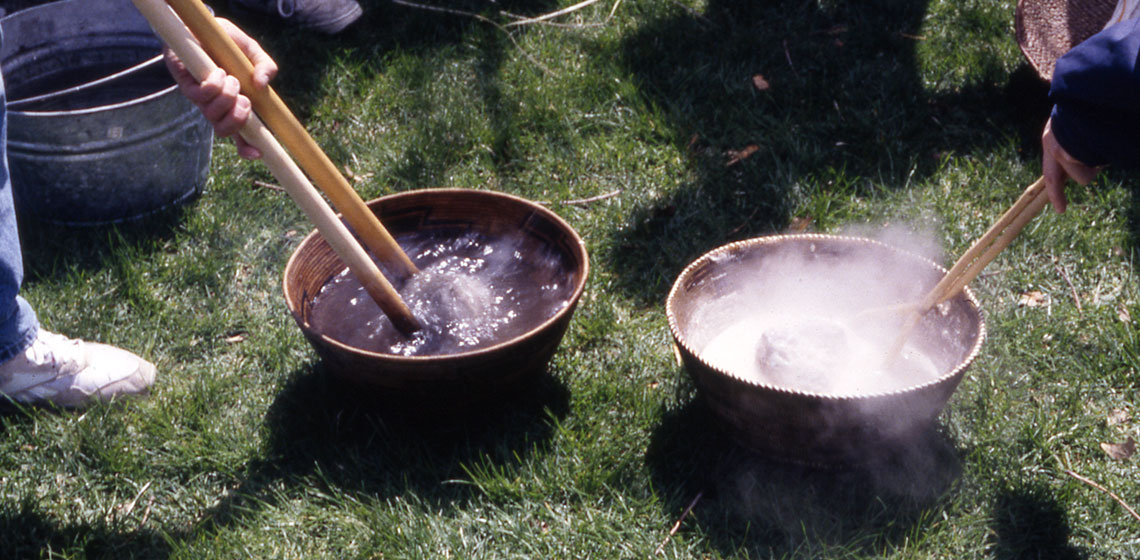
Baskets are among the most ancient of human artefacts. Everyone is familiar with their most common functions as containers for transport and storage. When told that baskets have also served as cooking vessels, most people will be unable to conceive of how this is possible, yet this was a primary function of baskets for many cultures of the past, and some until the present...
The Attack on the Tooth Worm
Publication Date
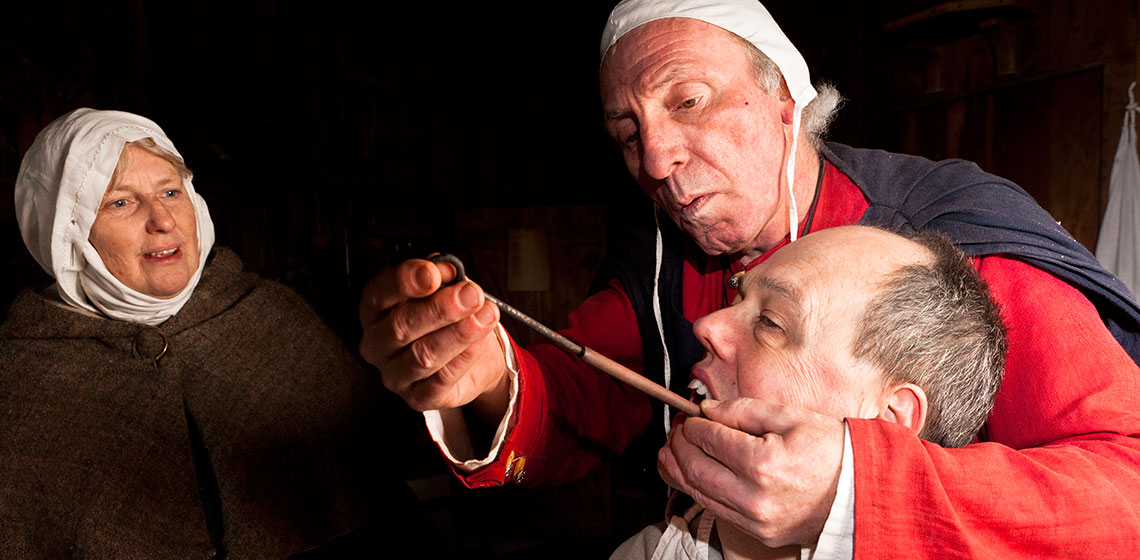
It is the year 1350 in Gravendam, the medieval town of Archaeological Open-air Museum (AOAM) Archeon in the Netherlands. There is a great deal of commotion on the street when the master cabinetmaker, John, screams out in pain and despair caused by a cavity in one of his molars. The sound of his scream is heard by everyone!...
A Broken Leg in the Year 1350: Treatment and Prognosis

Publication Date
It is the year 1350 in Gravendam (the medieval town of the archaeological open-air museum, (AOAM) Archeon, in the Netherlands). Master Roelof, a wood-and-bone processor, lies unconscious on the stone floor. Shortly before this, he had been climbing the ladder to the attic to grab a log of wood, but it slipped from under him and he ended on the floor...
Spiral Tube Decorations: a Thousand Years of Tradition
Publication Date
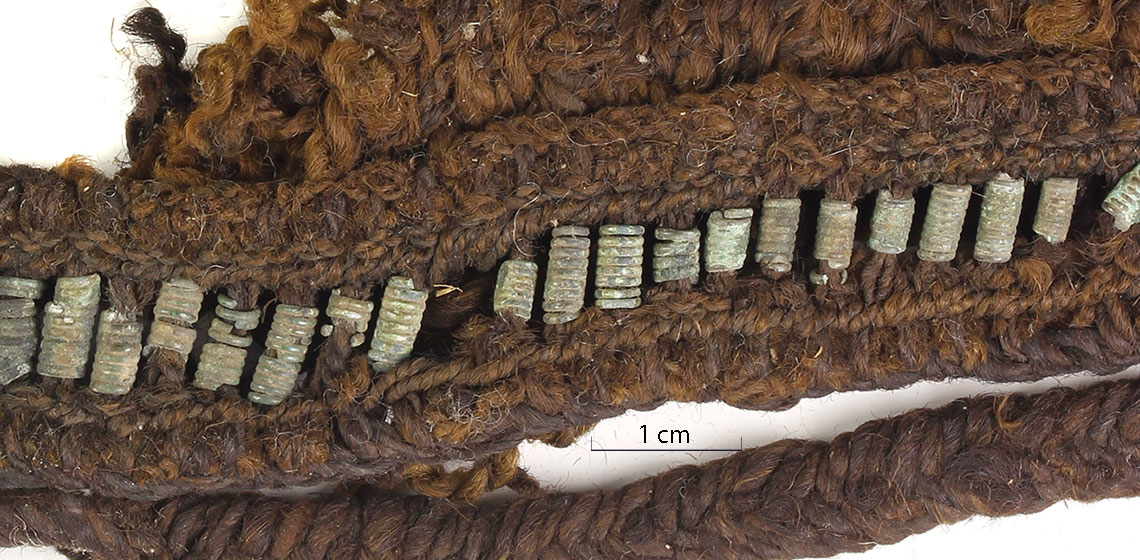
An overview of finds, their regional spread and significance though the ages. The spiral tubes are made of an alloy that consists of copper supplemented mainly with zinc and/or tin (Rammo, Ratas 2015, table 1). The outer diameter of the spiral tubes usually range from 2.5 to 5 mm. Woollen and linen threads as well as horse hairs, were used to join spiral tubes into decorations...
Conference Review: European Textile Forum 2015
Publication Date
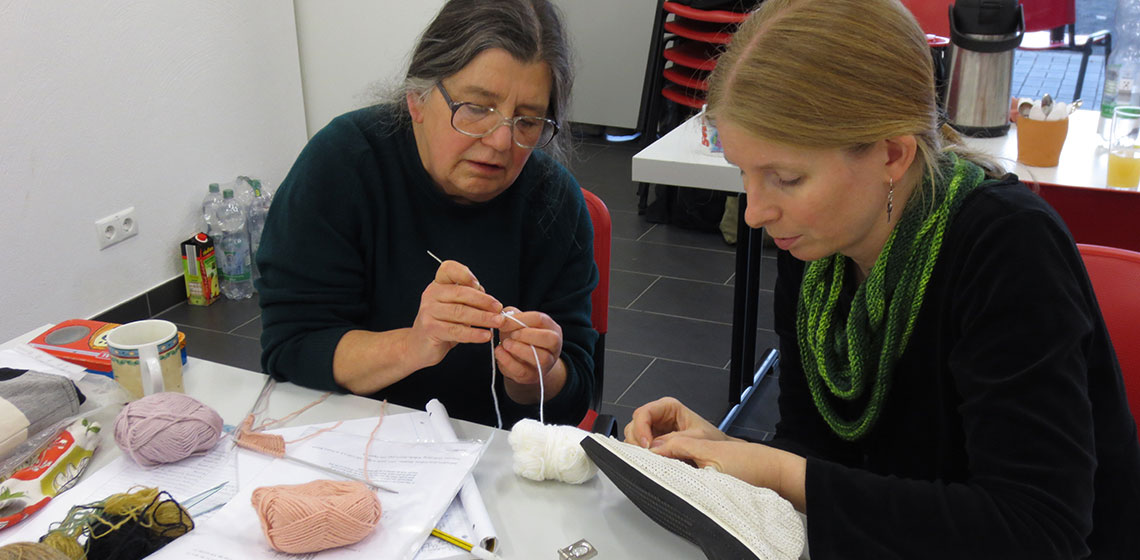
The European Textile Forum (Textilforum) was held between the 2nd and 9th November 2015, at the Laboratory for Experimental Archaeology (LEA) in Mayen, Germany. LEA kindly hosted the European Textile Forum as part of their inaugural event in 2012 and since then the Director Michael Herdick has invited the conference to return annually...
The Value of Experience: Lessons from a Study of Reenactment
Publication Date
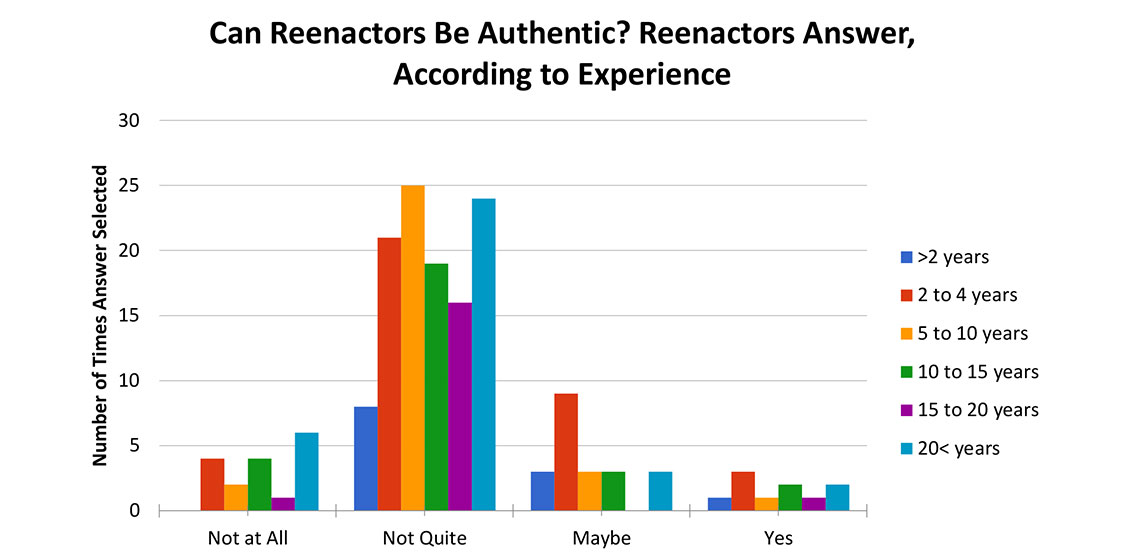
It is no secret that in many ways experimental archaeology overlaps with what has come to be called experiential archaeology, an interpretive and humanistic approach to the past. As a result of drawing distinct lines between the two, experimental archaeology struggles with its conception of itself, and experiential archaeology is poorly studied.
Book Review: Recent Publications: Experimental Archaeology in the November 2015 Issue of the Cambridge Archaeological Journal (Volume 25, Issue 4)
Publication Date
In the last quarter of the 1900s, John Coles (1979) and Peter Reynolds (1999) introduced the subject of experimental archaeology, which has gained significant momentumin the past few years. The discipline has become essential for reconstructing past technologies, in addition to supporting archaeological theory.
Tangible and Intangible Knowledge: the Unique Contribution of Archaeological Open-Air Museums
Publication Date
OpenArch Special Digest 2015 Issue 2
***Over the years my personal research interests have focussed on the less tangible elements of the past, such as gender issues, perishable material culture, and the sensory worlds of the past, but all of these have been underpinned by a longstanding appreciation of the role experimental archaeology can play as...
***Over the years my personal research interests have focussed on the less tangible elements of the past, such as gender issues, perishable material culture, and the sensory worlds of the past, but all of these have been underpinned by a longstanding appreciation of the role experimental archaeology can play as...
Conference Review: Was it all worth it? Archaeological Reconstructions Between Science and Event
Publication Date
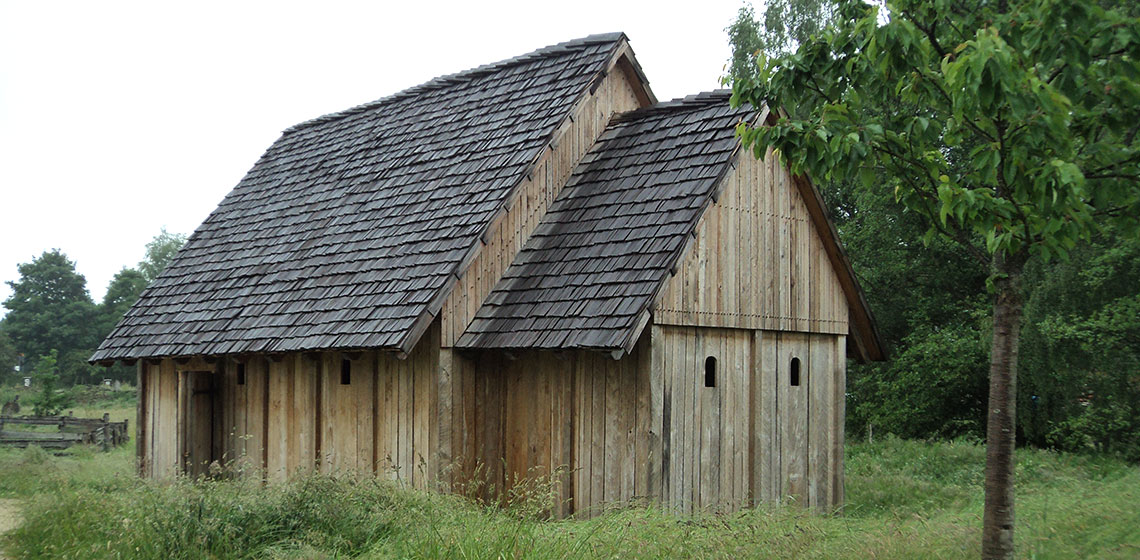
On the 3 February 1990, as the Iron Curtain dropped and the border between Bavaria and Bohemia opened, three archaeologists from both countries met. One year later they managed to get 27 participants together and soon the archaeological working group East Bavaria, West- and South Bohemia (and latter also Upper Austria) was a fact.