Palaeolithic

Between Function and Symbolism: Experimental insights from Mghvimevi
Author(s)
Aleko Zavradashvili 1, 2 ✉,
Levan Losaberidze 2, 3,
Mariam Kokhreidze 1,
Tatia Mamalashvili 4,
Vladimer Kenkadze 1
Publication Date
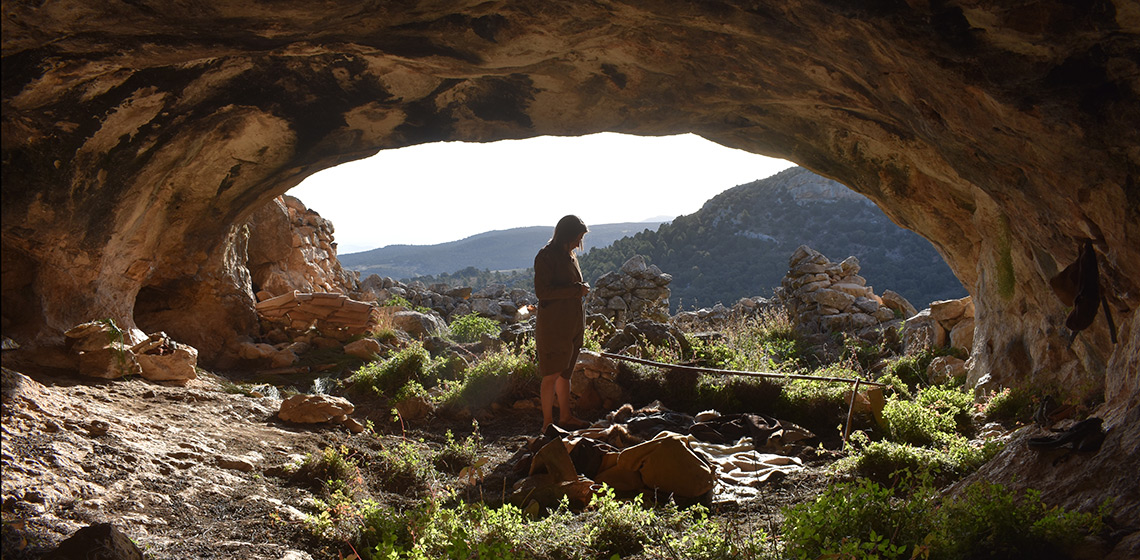
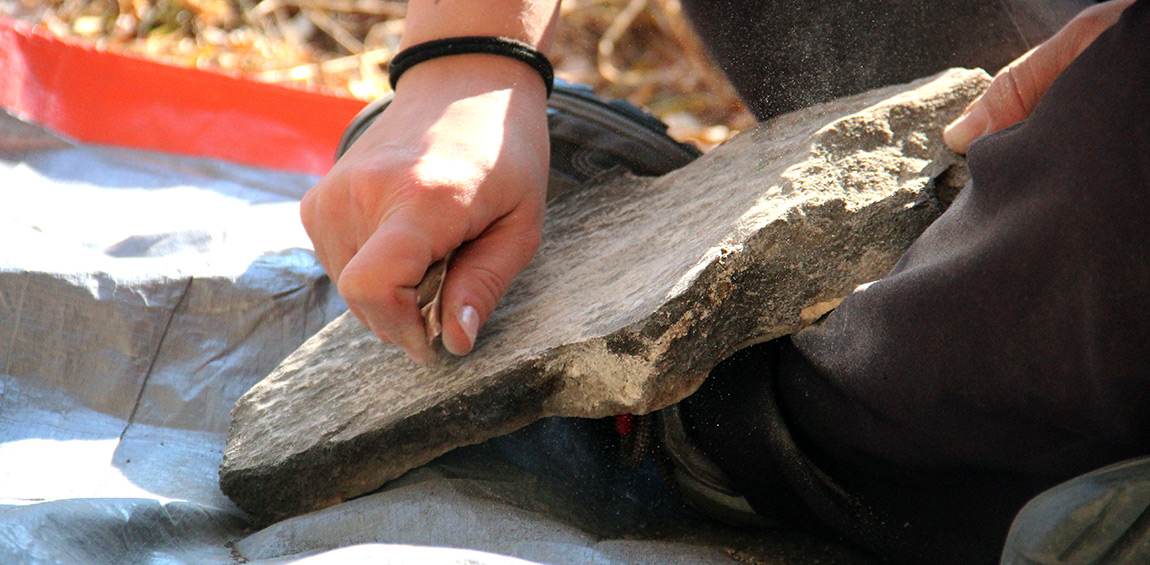
The Mghvimevi engravings represent the oldest known rock art in Georgia, dating to the Upper Palaeolithic. Fieldwork campaigns revealed 30 grooves consisting of parallel and intersecting lines. The nature of these grooves raises questions about whether they represent intentionally produced symbolic art or incidental traces of utilitarian activity. To address this issue, an experimental archaeology project funded by EXARC was undertaken...

Investigation of the Practical Functions of Fluting on Throwing Sticks and on Other Ethnological Wooden Artefacts
Author(s)
Luc Bordes 1
Publication Date
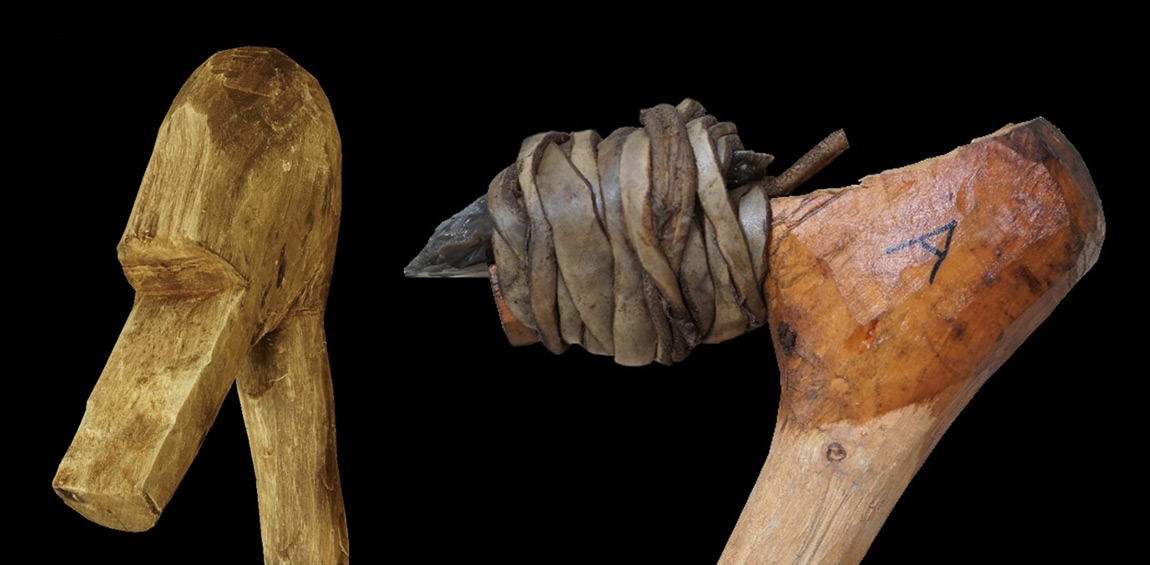
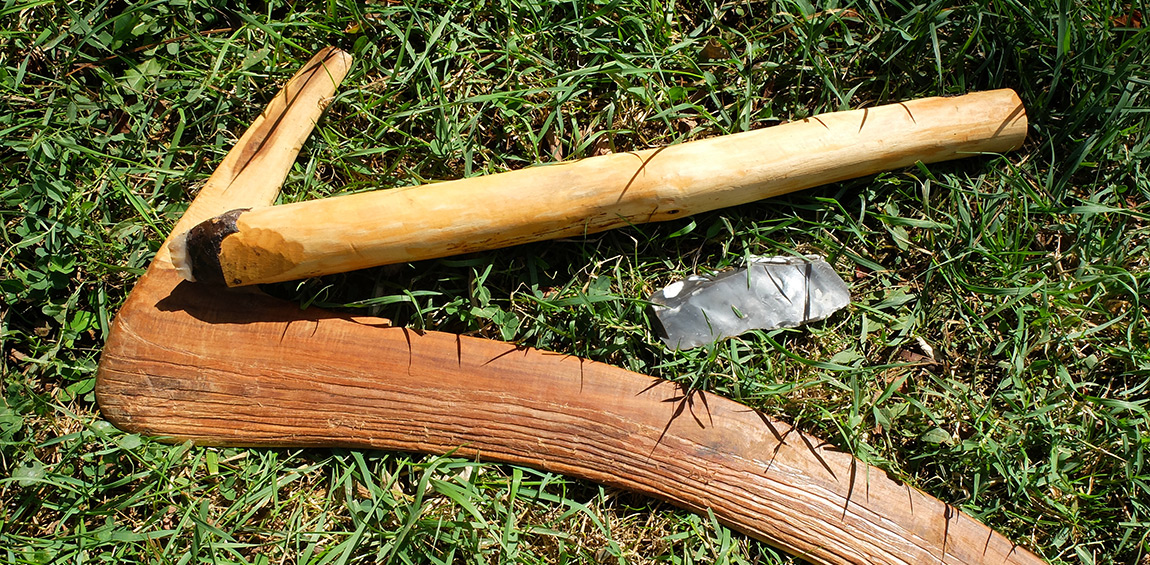
Why are the surfaces of some Australian throwing sticks fluted? According to a previous research, this feature could positively influence their flight, but this effect does not explain the function of fluting on other wooden artefacts (shields, clubs, containers) which are not used as projectiles. The former function of flutes is probably to be found among others type of wooden implements from which it has been transferred to throwing sticks...

Innovative Osseous Technologies of the Early Upper Palaeolithic of the Swabian Jura – The Age of Ivory
Author(s)
Sibylle Wolf 1, 2 ✉,
Keiko Kitagawa 1, 2, 3,
Rudolf Walter 2,
Agnes Fatz 1,
Nicholas J. Conard 1, 2, 3
Publication Date
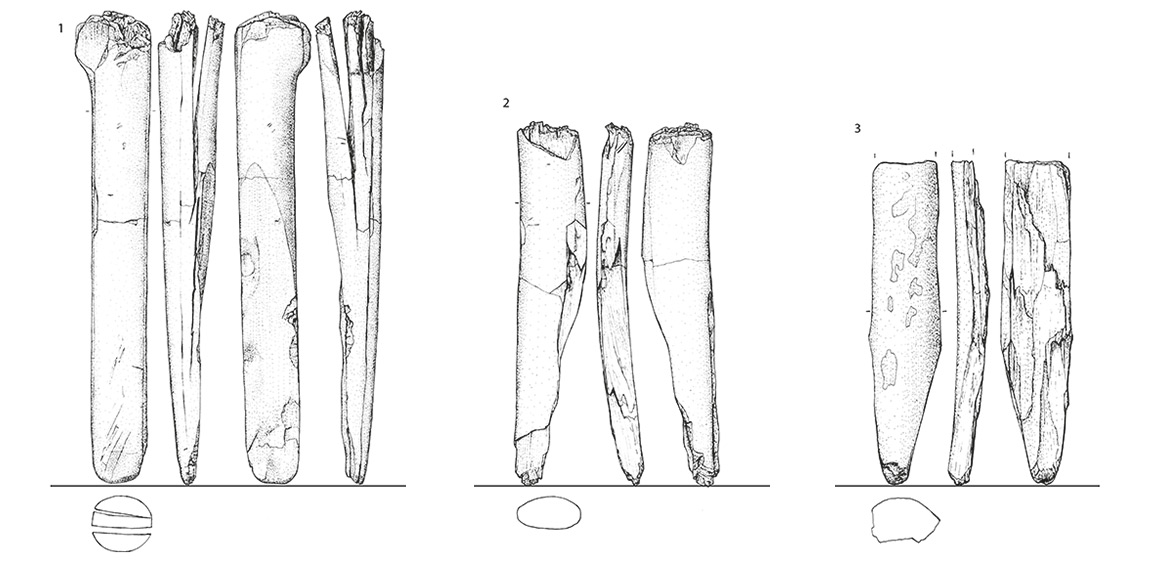
The Swabian Aurignacian is well known for its vast assemblages of functional and symbolic artefacts made from mammoth ivory. This contrasts with the Lower and Middle Palaeolithic technologies that contain sparse evidence for the manufacture and use of tools made from osseous materials. Only with the early Upper Palaeolithic did hominins begin to use ivory for a wide range of tools related to hunting and subsistence, and artefacts used in the symbolic sphere...

Lighting the Dark in The Palaeolithic: Examining Variation in Light between Different Wood Species Using a Randomised Firewood Collection Strategy

Author(s)
Sally Hoare 1
Publication Date
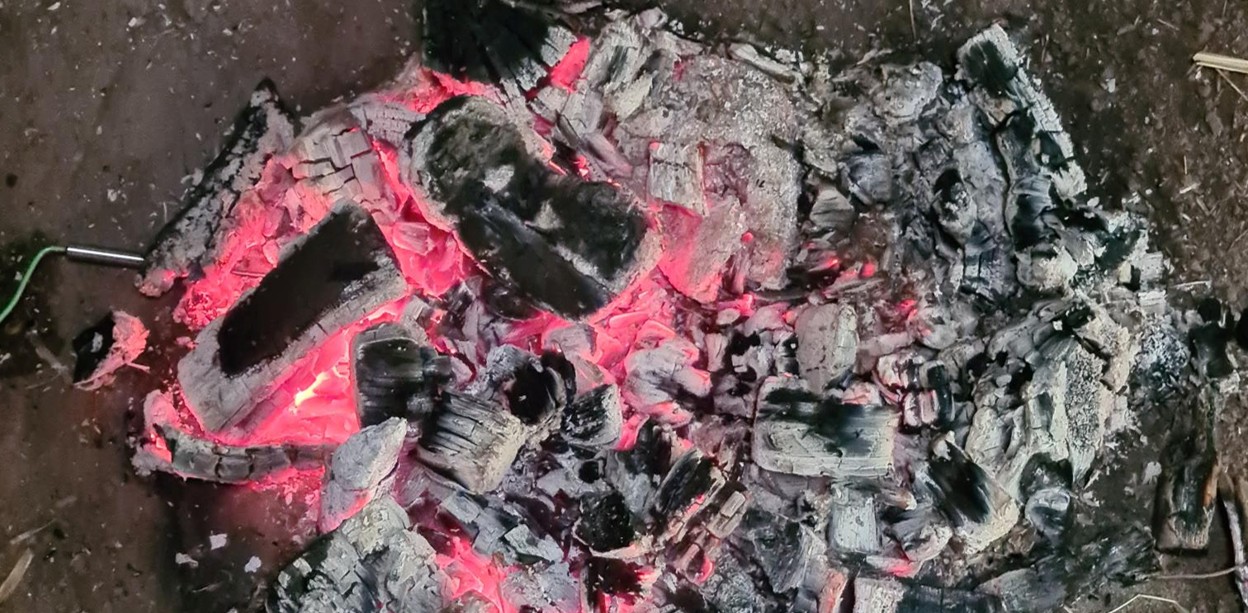
Light produced by fire was a crucial survival tool for Palaeolithic hunter-gatherers, enabling the occupation of deep caves and the extension of daylight hours. Previous research using standardised experimental protocols identified variations in the illuminance properties of different wood species, which could be utilised for various tasks as part of fuel selection strategies. However, these standardised experiments, which control for the size and state of the wood and hearth design, do not accurately reflect actual firewood collection and fuel management strategies employed by prehistoric hominins...

Black Ash - a Forgotten Domestication Trait in Garden Orach (Atriplex hortensis L.)
Author(s)
Lutz Zwiebel 1
Publication Date

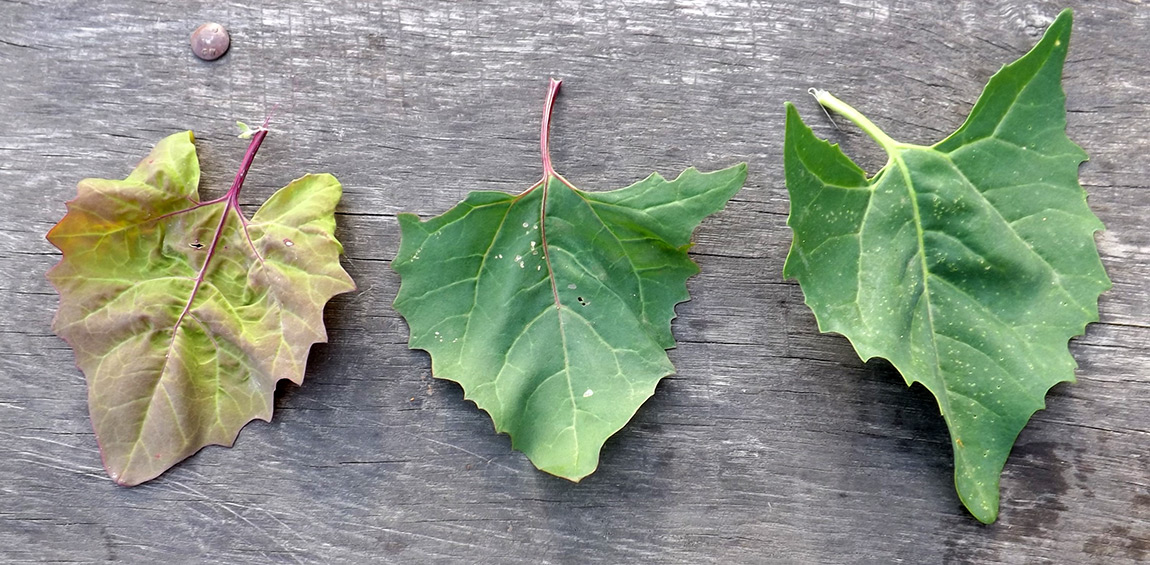
Garden Orach (Atriplex hortensis L.) is a vegetable plant of minor importance but with a wide distribution throughout the Old World and beyond. Previous research revealed its diverse medicinal and magical importance in prehistory. Here, Orach’s special ability to retain sodium even in non-saline ground is introduced. The outstandingly high concentrations of sodium in dry plant matter and plant ash suggest its use as a salt substitute, manifested in an early domestication trait. Special attention is paid to the variability of this trait in cultivars from different geographic regions and within the genus Atriplex. ..

Simulating Organic Projectile Point Damage to Bison Pelves
Author(s)
Charles A. Speer 1
Publication Date

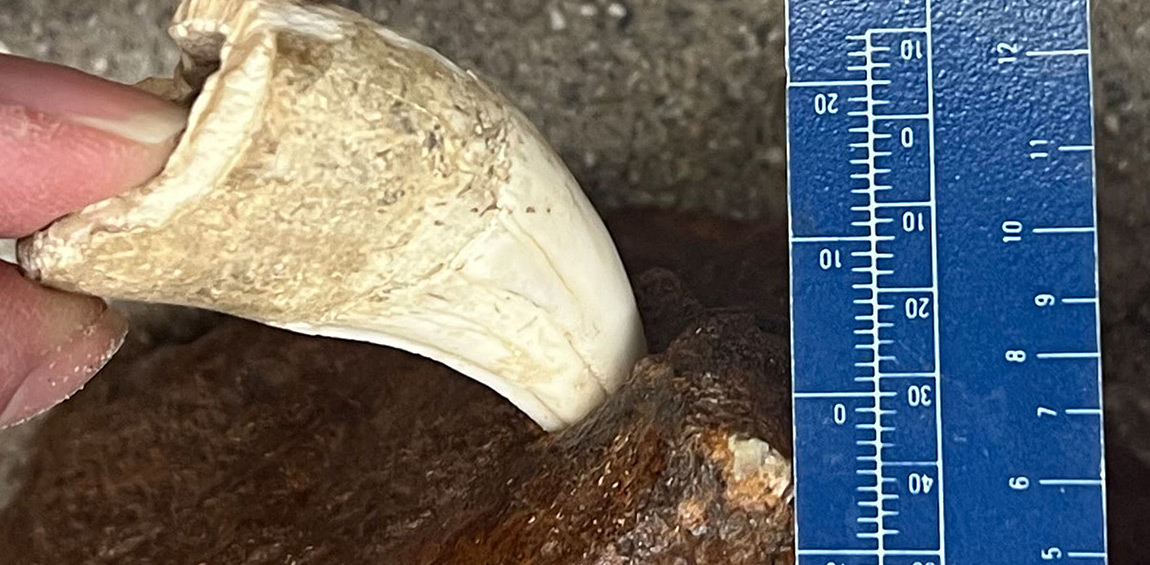
A large Bison sp. pelvis was discovered eroding out of shoreline sediment at American Falls Reservoir in Bingham County, Idaho in 1953. The ischium section had a unique groove and perforation with a depth of 35 mm and 10 mm in diameter. The pelvis was X-rayed in 1961 for indicators of the origin of the damage, but it could not be ascertained, and human agency could not be ruled out. For the research presented here, the pelvis was CT scanned to look for any foreign material in the perforation and to determine the three-dimensional structure...

Cross-Contamination via Stone Tool Use: A Pilot Study of Bifacial Butchery Tools

Author(s)
Alexander Whitehead 1 ✉,
Anthony Sinclair 1,
Christopher Scott 1
Publication Date
The pathogenic environment has been a constant shaping presence in human evolution. Despite its importance, this factor has been given little consideration and research. Here, we use experimental archaeology and microscopic analysis to present and support a novel hypothesis on the pathogenic properties of bifacial butchery tools...

A Scheme of Evolution for Throwing Sticks

Author(s)
Luc Bordes 1
Publication Date
Prehistoric wooden projectiles likely have a complex evolutionary story in a similar way to stone tools, depending on their functions, and the cognitive and physical capabilities of hominins who used them. The technologies of some ancient projectiles (e.g., spears, arrows) can be studied more directly because they were equipped with...

Strategy of Presenting Prehistoric Sites Like an Open-air Stand. Why and How and from a Sustainable Development Perspective

Author(s)
Mona Abo Azan 1
Publication Date
Archaeological excavations have revealed important sites from the prehistoric sites, with the cultural achievements of the early lithic tools of hunters-gatherers in the Palaeolithic, to the emergence of the farmer-village societies in the Neolithic, reaching on to urbanisation and the complex societies of the Chalcolithic...

How were Half-Moons on Shells Made in the Upper Palaeolithic? An Experimental Approach

Author(s)
Annamaria Daniele 1
Publication Date
In the Upper Palaeolithic levels of the site of Grotta Continenza (Abruzzo, Italy), numerous shells shaped as half-moons have been found. These artifacts, being important examples of ancient ornaments, have been regularly subjects of study, but the production process has only been hypothesised...