
Palaeolithic
Cross-Contamination via Stone Tool Use: A Pilot Study of Bifacial Butchery Tools
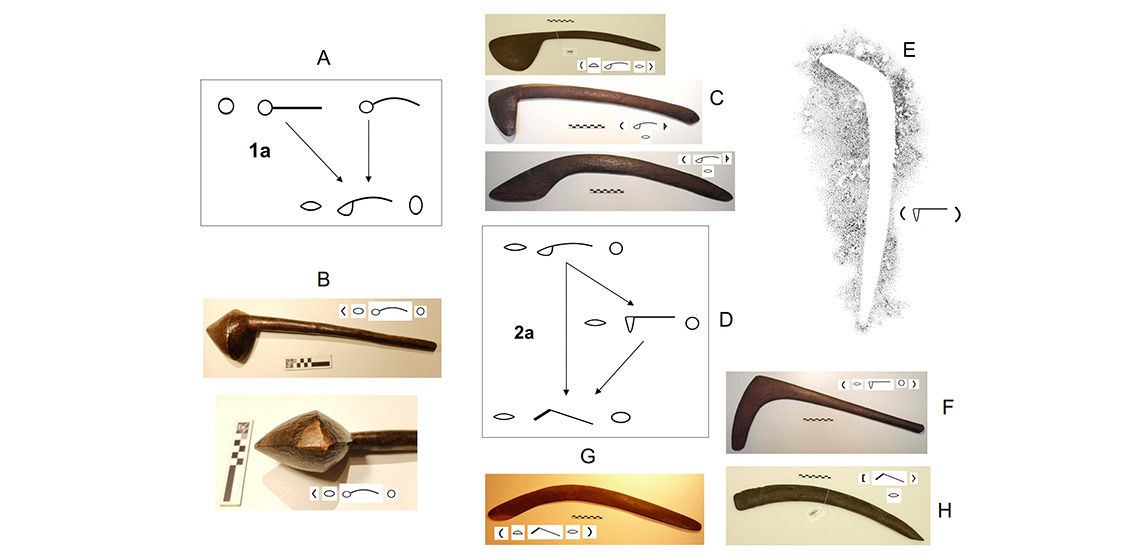
A Scheme of Evolution for Throwing Sticks
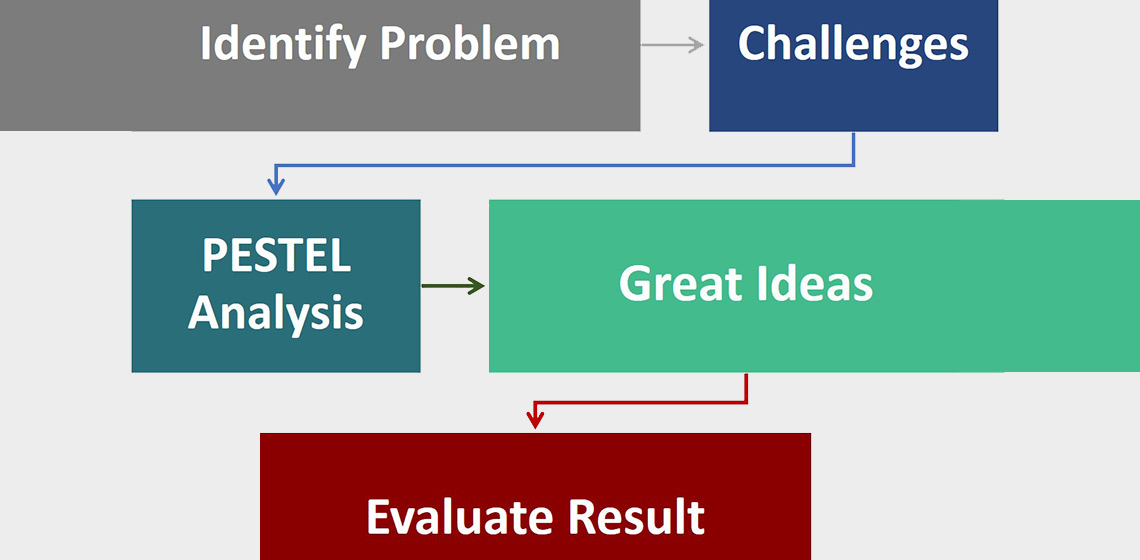
Strategy of Presenting Prehistoric Sites Like an Open-air Stand. Why and How and from a Sustainable Development Perspective
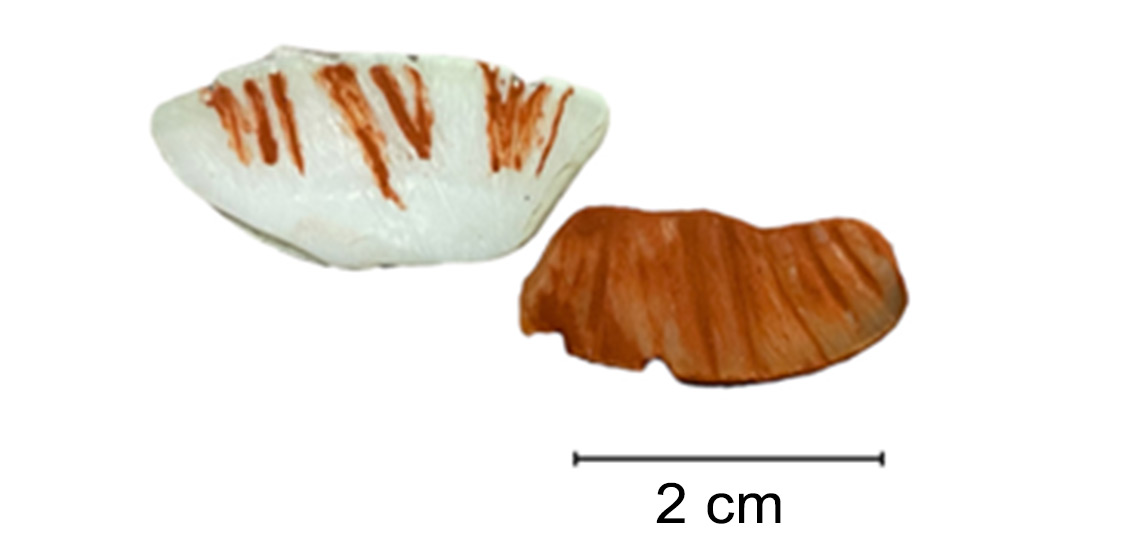
How were Half-Moons on Shells Made in the Upper Palaeolithic? An Experimental Approach
Book Review: Experimentelle Archäologie in Europa, Jahrbuch 2022
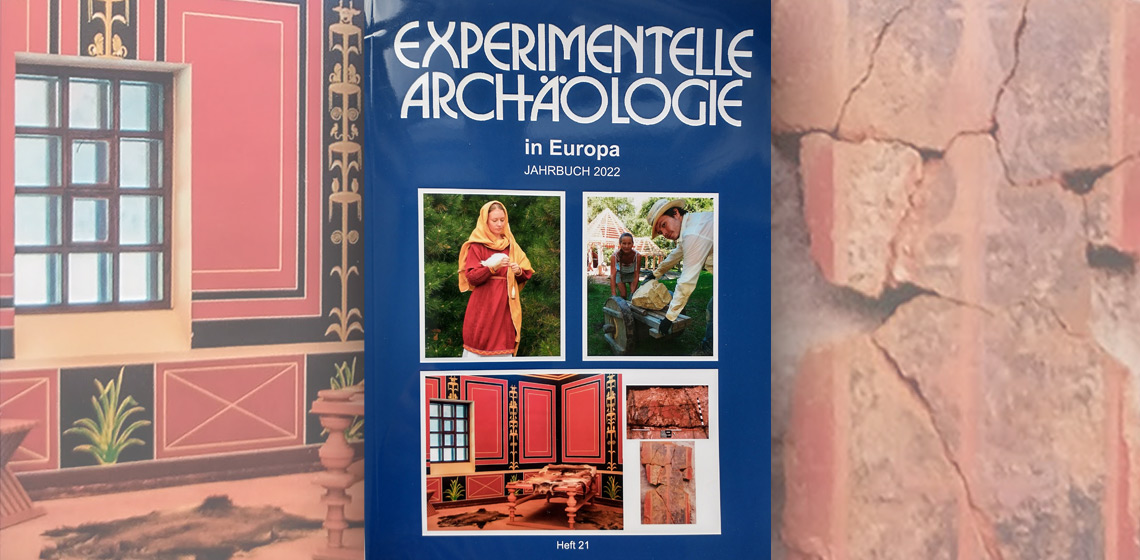
***The periodical is published by Gunter Schöbel and the European Association for the Advancement of Archaeology by Experiment e. V. (Europäische Vereinigung zur Förderung der Experimentellen Archäologie) in collaboration with the Pfahlbaummuseum Unterhuldingen...
Casting a Copper Age Axe Using a Replica of the Marl Mould Found in Baffoni Cave (AN)
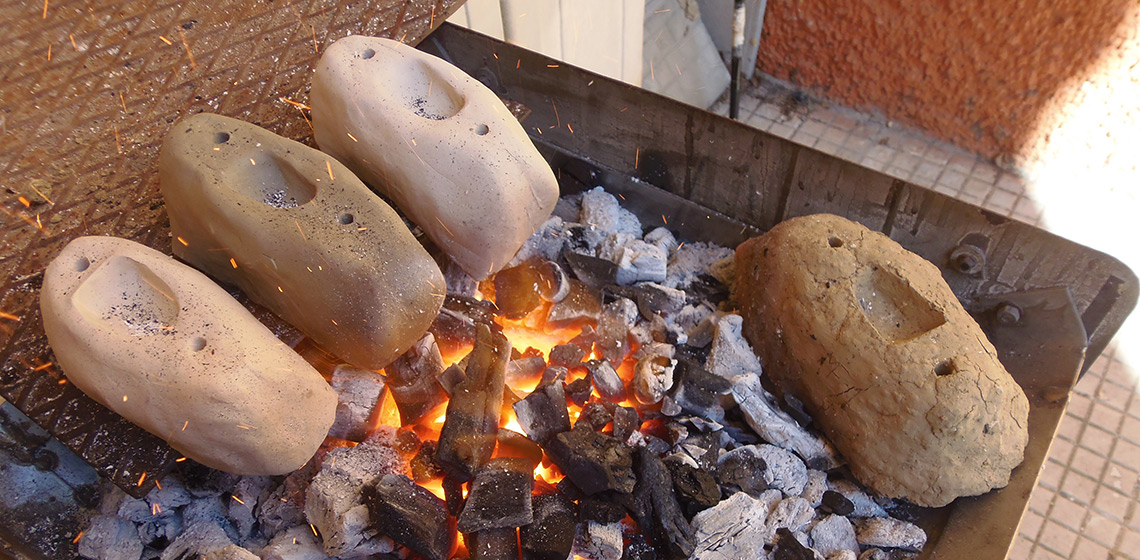
These three artefacts suggested that some kind of metal working had most probably been carried out in the cave: Radmilli first described the mould as “a clay mould for casting… containing a piece of copper” (Radmilli, 1956, pp.
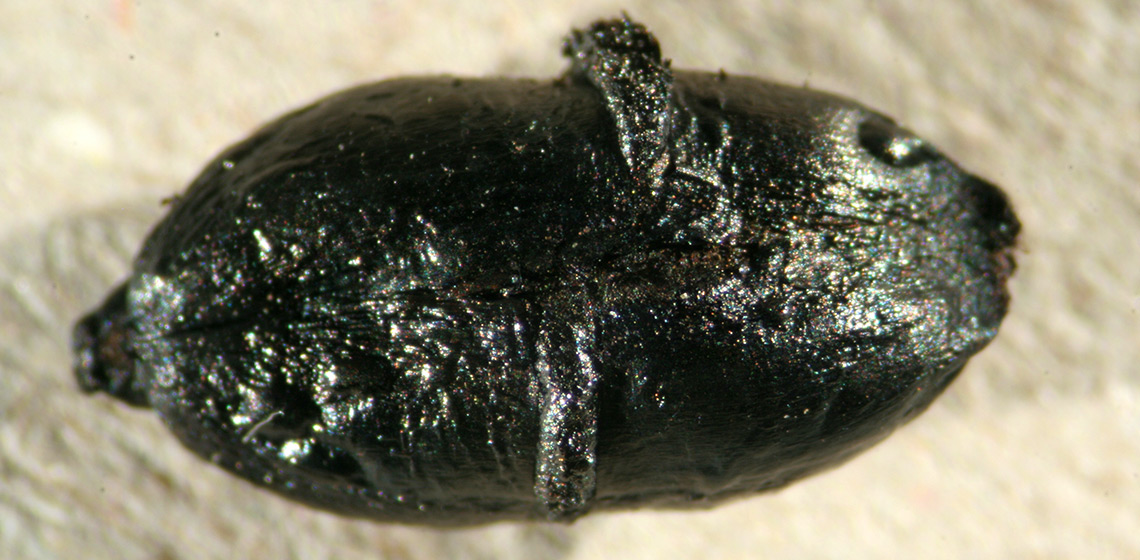
Pit Preserve from Ida – on the Problem of Charred Seeds from Prehistoric Pits
Introduction
A wild seed propagator and gardener (such as myself) relies on years of close human-plant interaction. The adaptability of domesticated and many wild plants to human economy and behaviour has always thrilled me. When I first read archaeological reports of frequent and large amounts of prehistoric charred seeds that were dumped in the ground I was bemused. It contrasted starkly with the care and sensitivity I use in the processes of seed harvest, drying and selection. So I started reading more and also charring seeds myself.
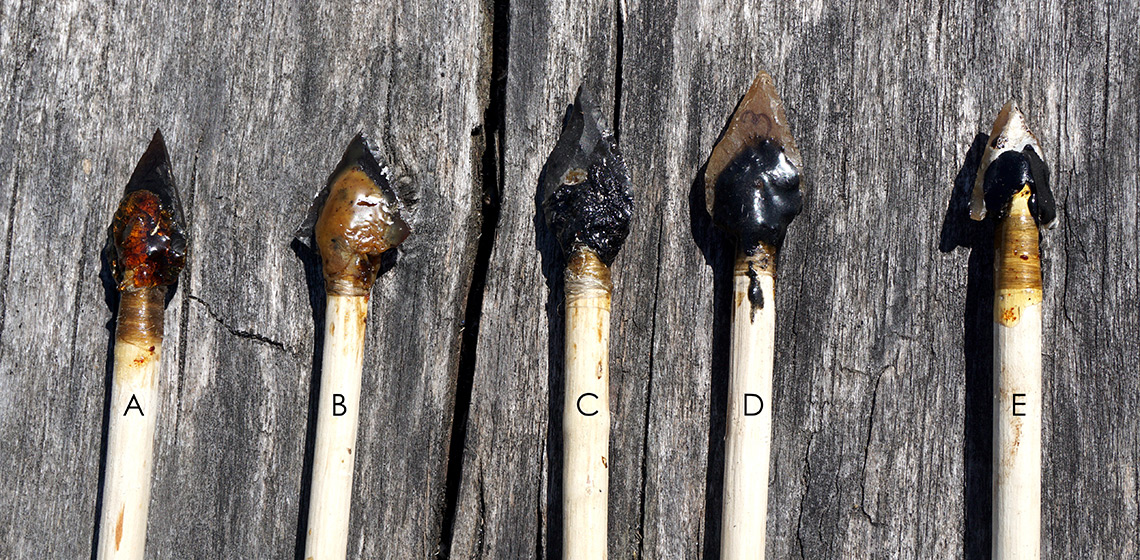
Beeswax an Addition to the Production of European Stone Age Adhesives
Book Review: Determining Prehistoric Skin Processing Technologies by Theresa Emmerich Kamper
Book Review: Experimentelle Archäologie in Europa, Jahrbuch 2020
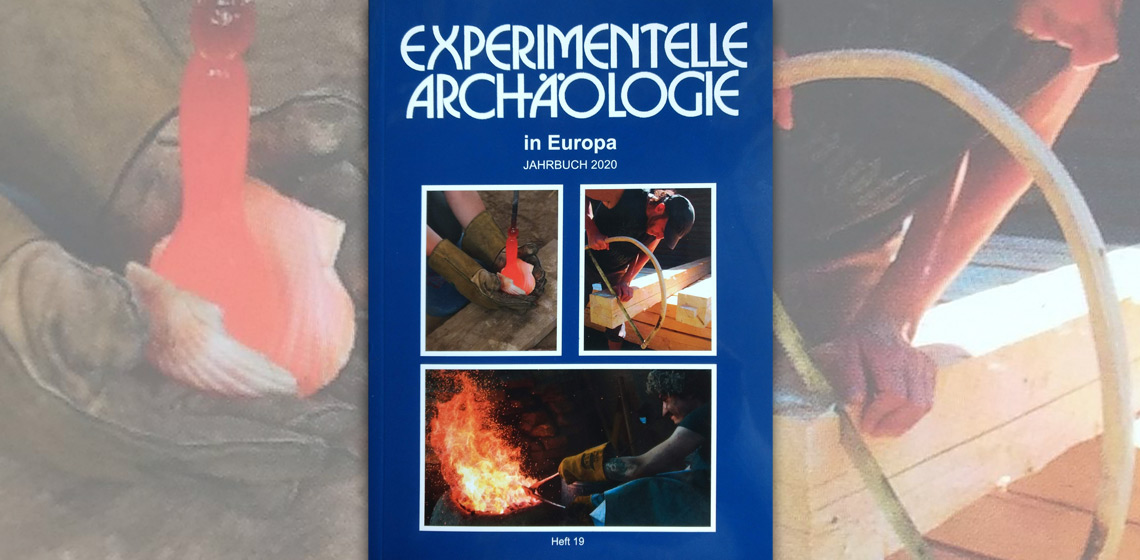
***The 19th issue of the periodical includes 19 essays over 231 pages which present the contributions of the EXAR conference held in 2019. The annual report (Jahresbericht, p.225) and the instructions for authors (Autorenrichtlinien, p.229) of Experimentelle Archäologie in Europa can be found at the end...