
Roman Era
The Transformation of Glass Debris from Apollonia-Arsuf (Byzantine Sozousa)
Publication Date
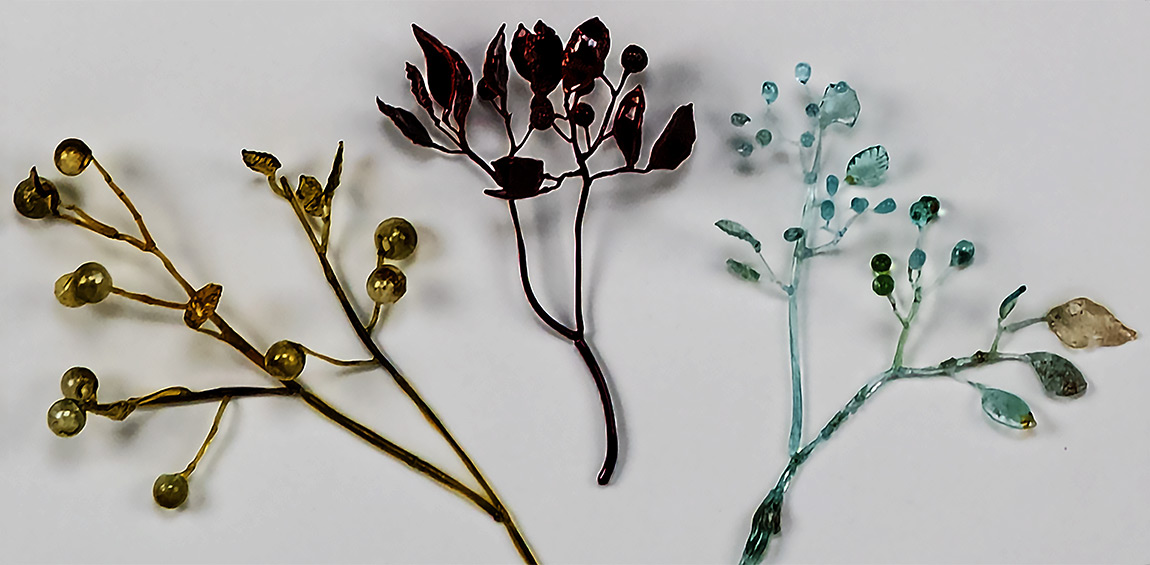
The site of Apollonia-Arsuf (Byzantine Sozousa) is located on the Mediterranean coast, some 17 km north of Jaffa (Joppa) and 34 km south of Caesarea Maritima, Israel. The site has been excavated continuously over the last 40 years by the Apollonia-Arsuf Excavation Project. Once a modest coastal settlement, it became the main urban centre of the southern Sharon plain in Byzantine times (4th-7th centuries AD). It was during that period that the site became a major centre of primary (and secondary) glass production (Freestone, 2020), with several excavated primary glass furnaces and additionally documented ones on its terrain (Tal, Jackson-Tal and Freestone, 2004; Freestone, Jackson-Tal and Tal, 2008; Tal, 2020, pp.60-80 passim).
Book Review: The Bloomsbury Handbook of Experimental Approaches to Roman Archaeology by Lee Graña Nicolaou, Tatiana Ivleva and Bill Griffiths
Publication Date
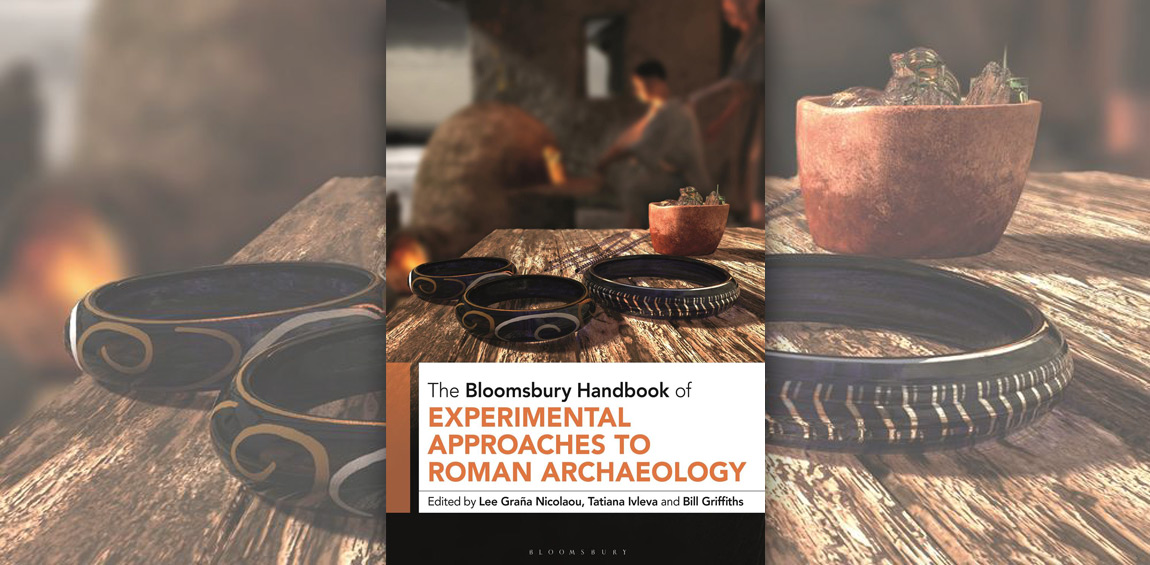
This handbook provides a gateway into Roman Experimental Archaeology. Echoing the foreword, Experimental Archaeology is often viewed by those outside the field as the realm of prehistory, where experimentation can be conducted to, and theorise about what is not known. At the same time, due to their historical sources and physical remains, Rome and later periods are perceived as not requiring experimentation. This handbook quells this idea, instead collating the work of skilled and inventive individuals and providing both a framework and inspiration for future work.
The Art of Contrast: Experimental Insights into Partial Tinning on Roman Military Equipment
Publication Date
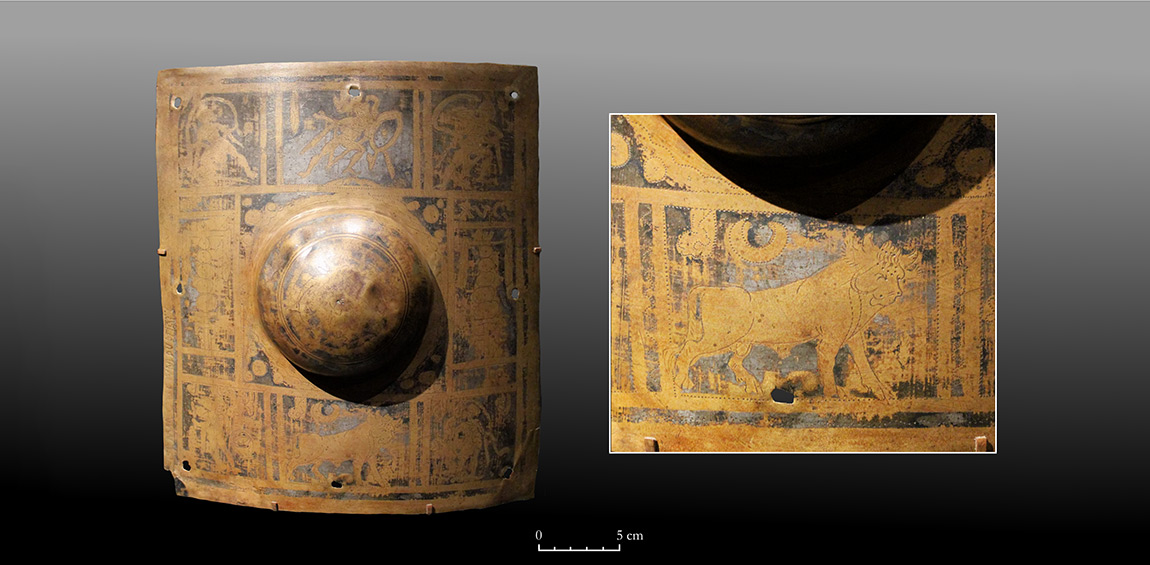
Roman armour was frequently richly decorated, with embossed designs being among the most striking examples. A more subtle technique, sometimes used alongside embossing, was partial tinning on copper alloys: the selective application of a tin layer to create a visual contrast with the base metal. Recent analysis reveals this method was more technically complex than previously assumed. This article presents experimental insights into how partial tinning could have been achieved using Roman-era technology...
Building Rome in a Couple Days: Erecting a Painted Portico in Alésia
Publication Date
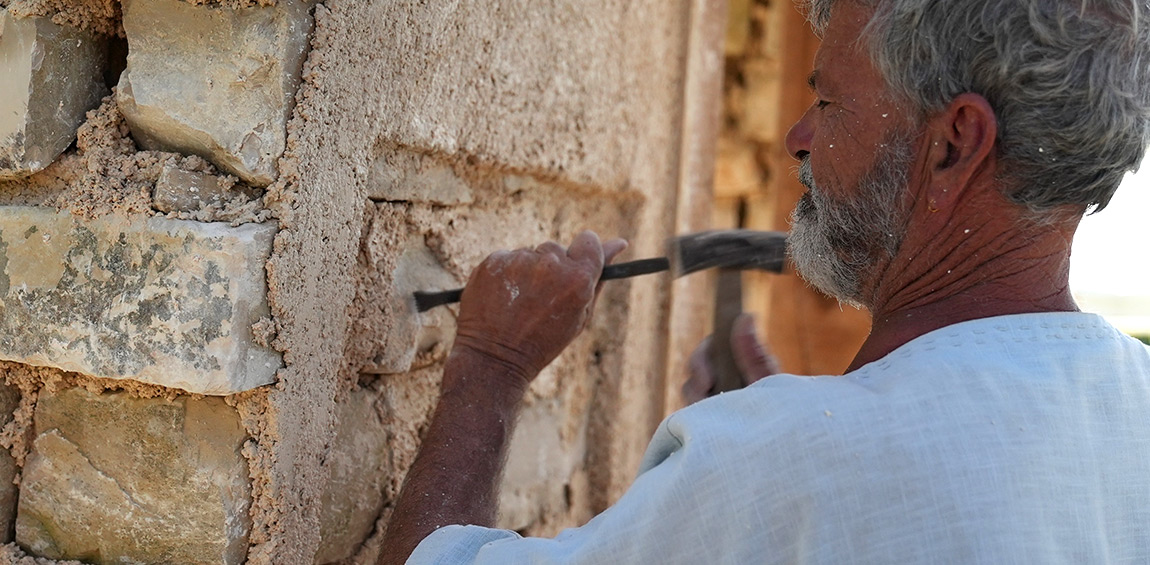
Roman construction is a recurring theme in archaeology, having been studied through many lenses: architecture, materials, urbanism, ornamentation, economics, religion, and so forth. Nevertheless, many aspects of the building process have seldom been the focus of these analyses, especially the specific actions and craftsmen involved in the chaîne opératoire. It is the aim of the Fabri Tignuarii – the roman college of building craftsmen – to delve into the specifics of roman construction...
Wooden Matrices in Bracteate Production: An Experimental Approach
Publication Date
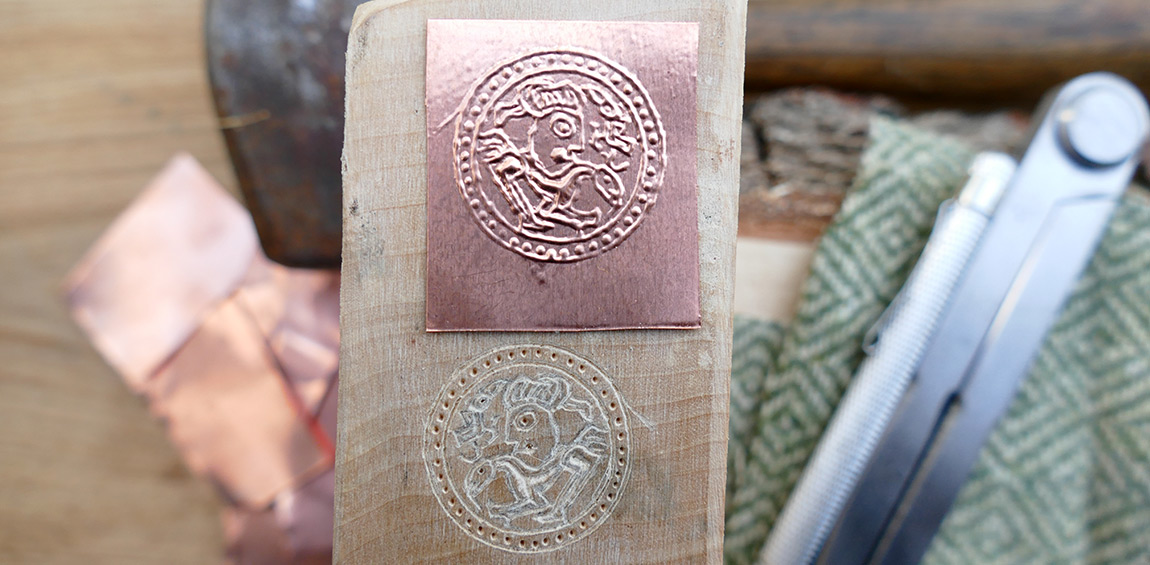
The literature on the production of Migration Period (c.400-550 AD) gold bracteates has suggested wood as a possible material to be used for the matrix on which bracteates are made, but only in the production of a single or very few bracteates. This study experiments with how such a matrix could have been made and what part of the wood could have been used. Additionally, it examines the quality changes in serial production...
An Experimental Exploration of the Earliest Soapmaking
Publication Date
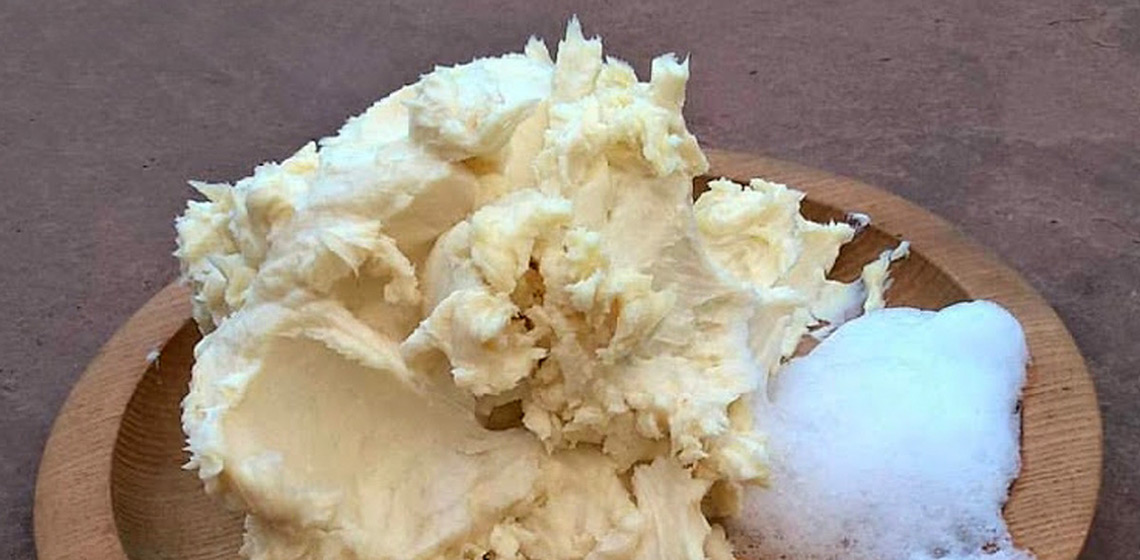
Soap is a substance now taken for granted, but there is uncertainty, myth and misinformation about its development, and little scholarly attention has been paid to the likely circumstances surrounding its discovery. As part of a MSc in Experimental Archaeology, a project collated the earliest mentions of proto-soaps...
The Production of Roman Metal Screw Threads - Extended Version
Publication Date
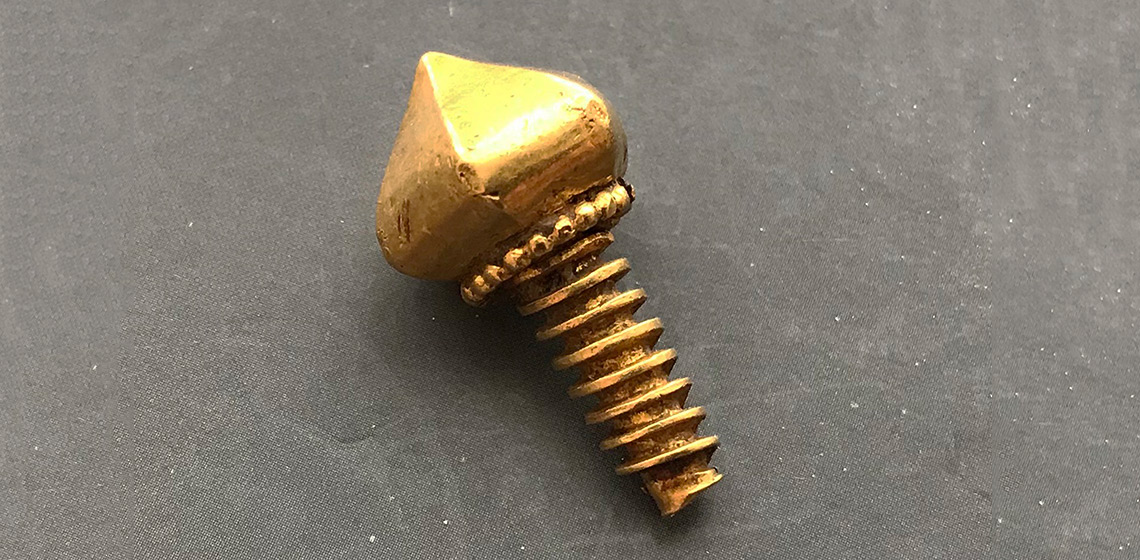
During the Roman period, small metal screw threads were used both as fastenings and to impart motion. This paper, which is an extended version of my previous article, will show that it is possible to produce metal screw threads using very simple technology. The tools and expertise to carry out this work is...
An Experimental Approach to Baking Ancient Roman Placenta
Publication Date
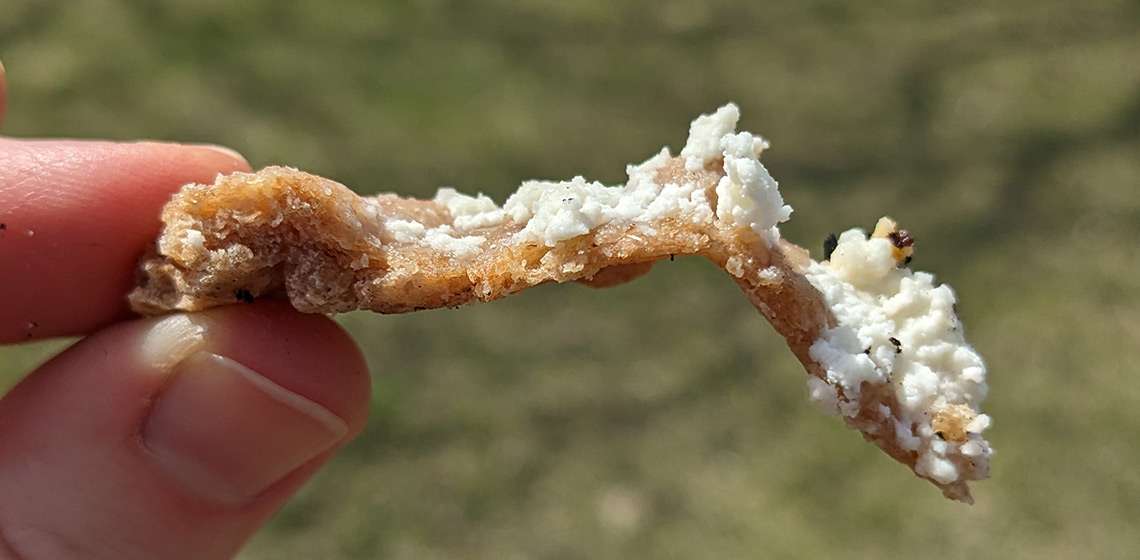
Cato The Elder (234-149 BC) wrote our oldest extant work of continuous Latin prose, On Farming (de agri cultura), a how-to guide for farming and life that also included many recipes. We were interested in the section on bread recipes in this text, particularly the recipe for the complex, layered placenta due to...
The Making of Roman Metal Ink Pen Nibs
Publication Date
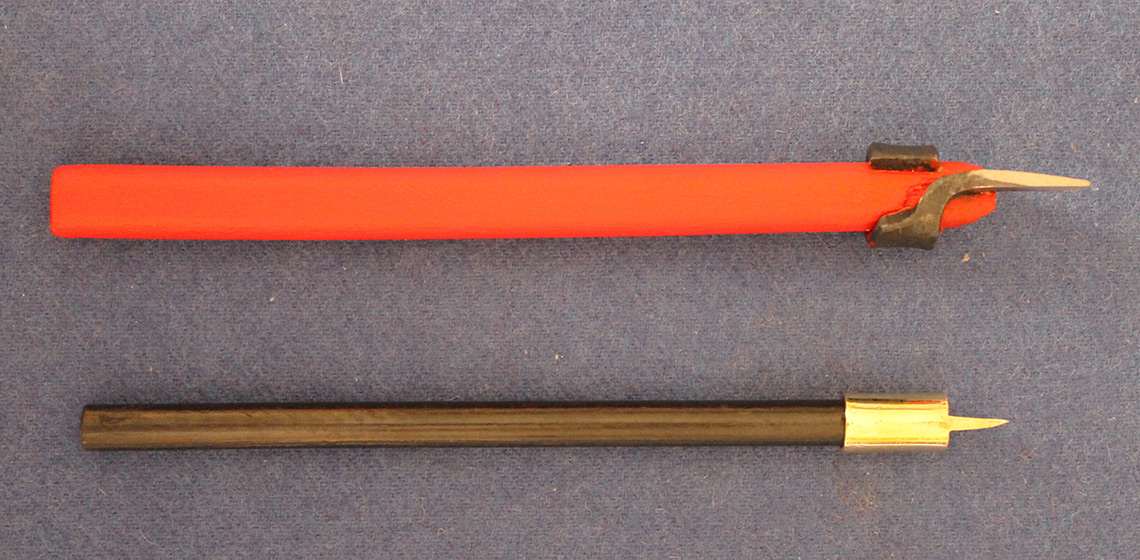
Roman ink pen nibs have been made from different materials such as bone, horn, reed, iron, and copper alloys. This article deals with experiments to reproduce Roman ink pen nibs made from copper alloy and iron.
Testing Roman Glass in the Flame
Publication Date
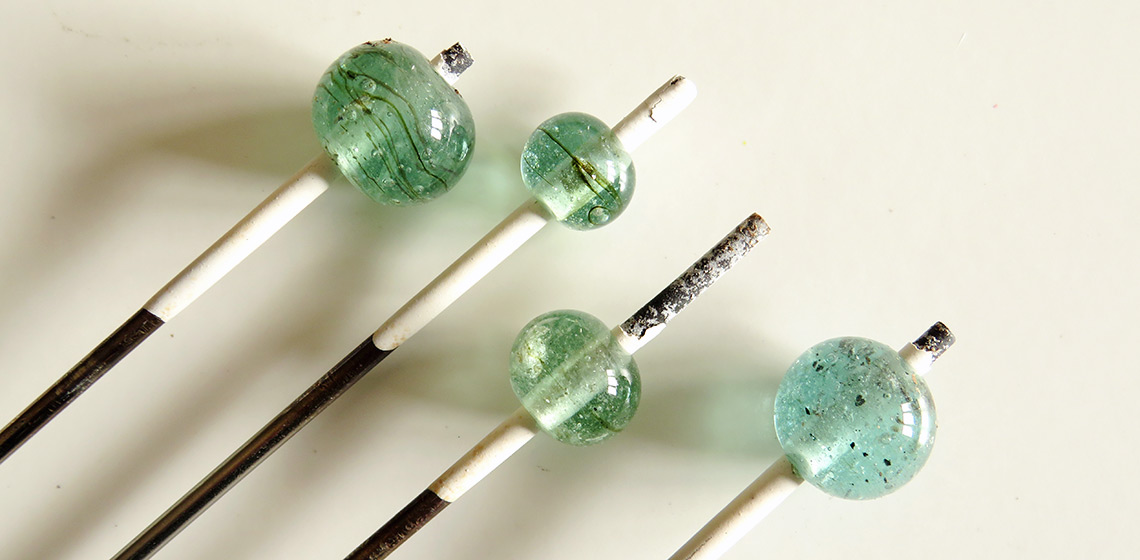
Glass made during the Romano British period was recycled throughout the Late Roman and Early Medieval periods. Studies have shown that British beadmakers of the fifth and early sixth centuries AD made a large proportion of their beads using Roman period glass (Peake, 2013). To study fully the techniques of glass workers in early Anglo-Saxon times, it is important to...