
Late Middle Ages
Public Outreach in the Drents Museum in Assen (NL)
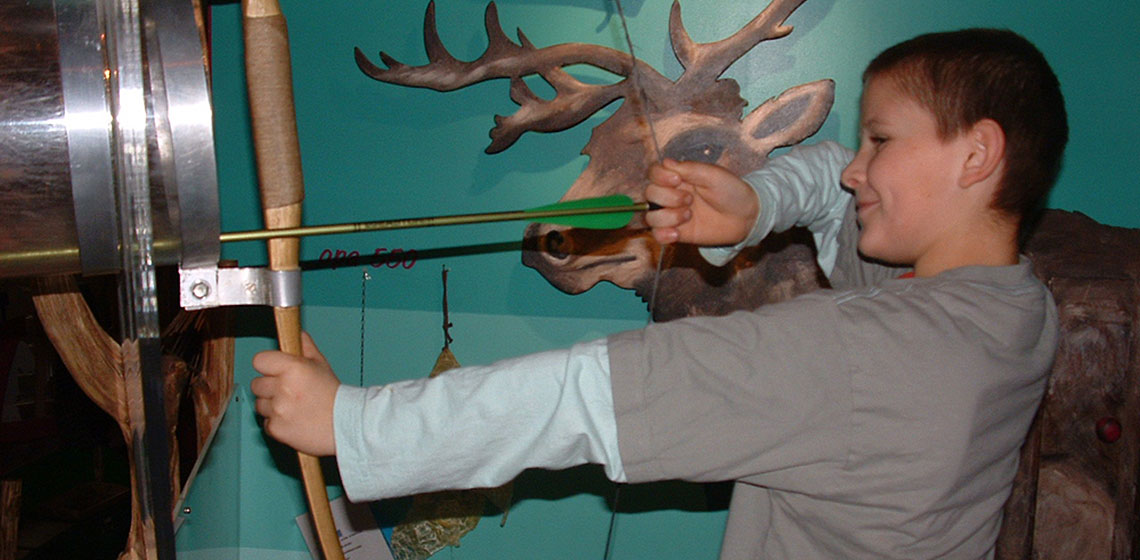
International Learning Partnership: Living History and Adult Education in the Museum
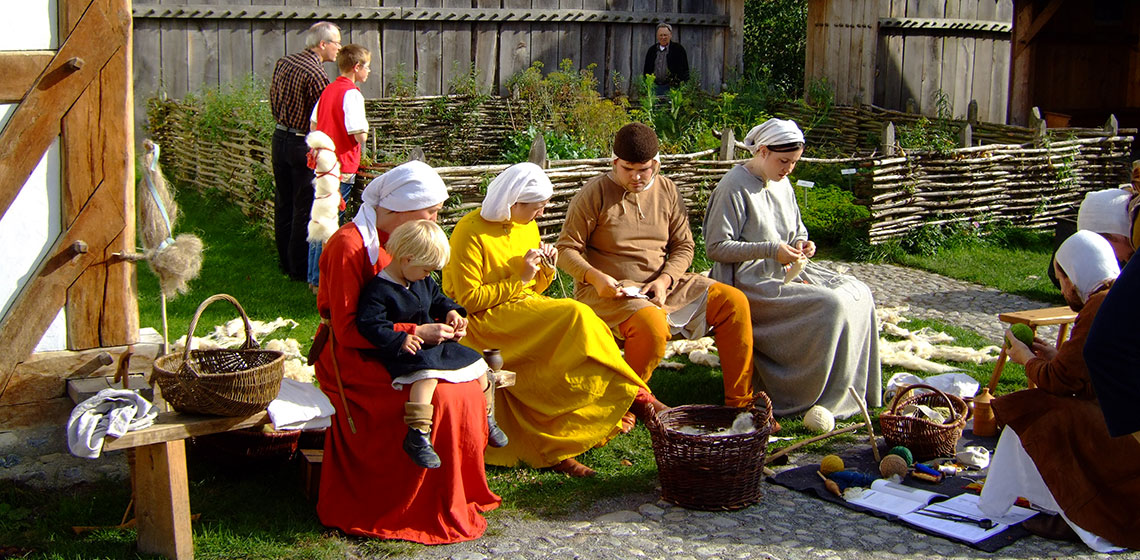
Archaeological Open-Air Museums in the Netherlands, a Bit of History
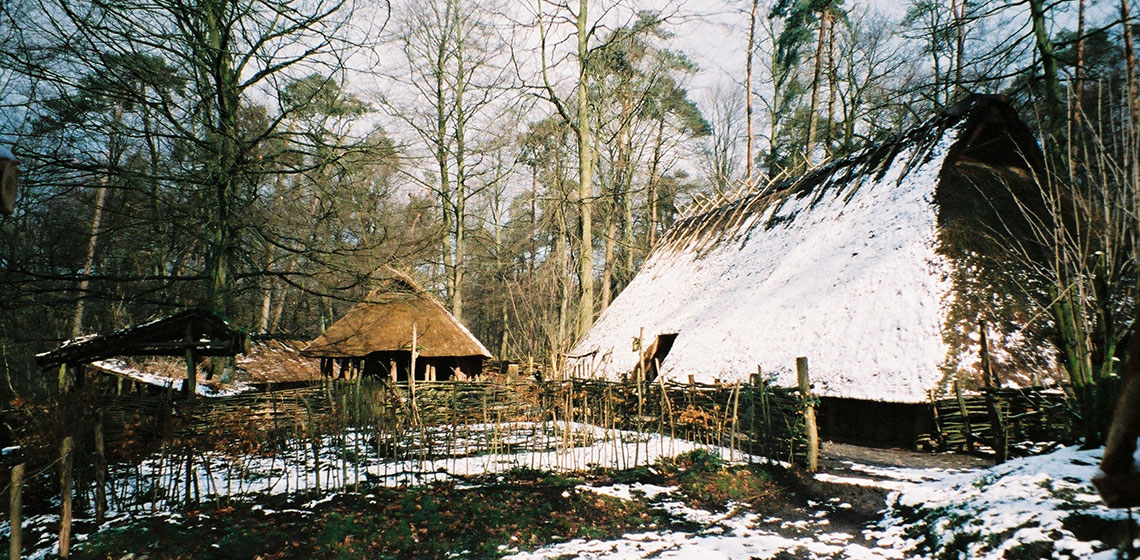
Discussion: Archaeological Reconstruction in Situ
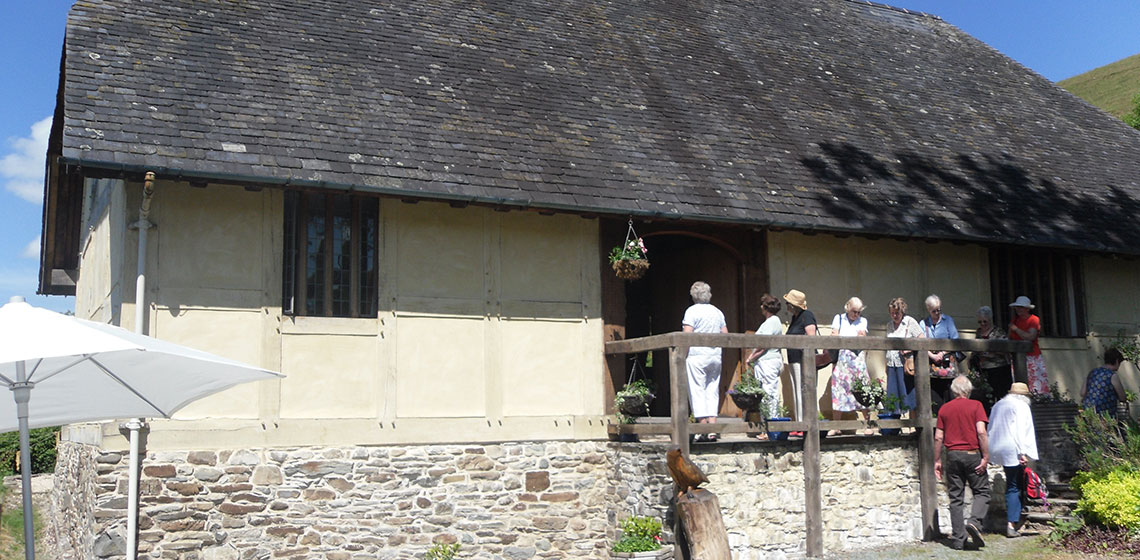
Conference Review: Reconstruction “in Situ”, International Archaeological Meeting of Calafell, 2011
March 2011, EXARC convened for the 17th time, this time in Calafell, Catalonia, Spain. We could go along with the 6th international archaeology meeting of Calafell, a biannual conference. Three days long, from 9:30h in the morning until 19:30h in the evening, we listened to about...
Conference Review: International Öguf-Symposium 2010
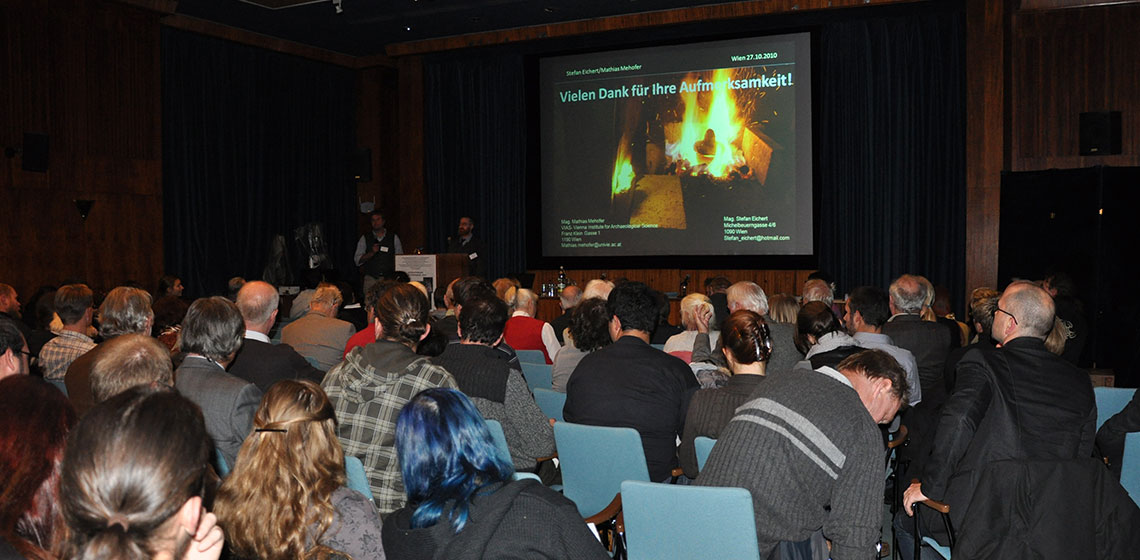
Prehistory and Early History (ÖGUF) took place 27-30 October at The Museum for Natural History in Vienna under the patronage of State Captain and Mayor of Vienna Dr. Michael Häupl – and the general director of the Museum for Natural History Vienna, Univ.-Prof. Dr. Christian Köberl. Theme was experimental archaeology: theory, practice, science, education...
Conference Review: EXAR in Berlin, October 8-10, 2010
This year’s EXARC Conference took place at the Freie Universität in Berlin and was themed Experimental Archaeology and University...
Conference Review: European Textile Forum 2010
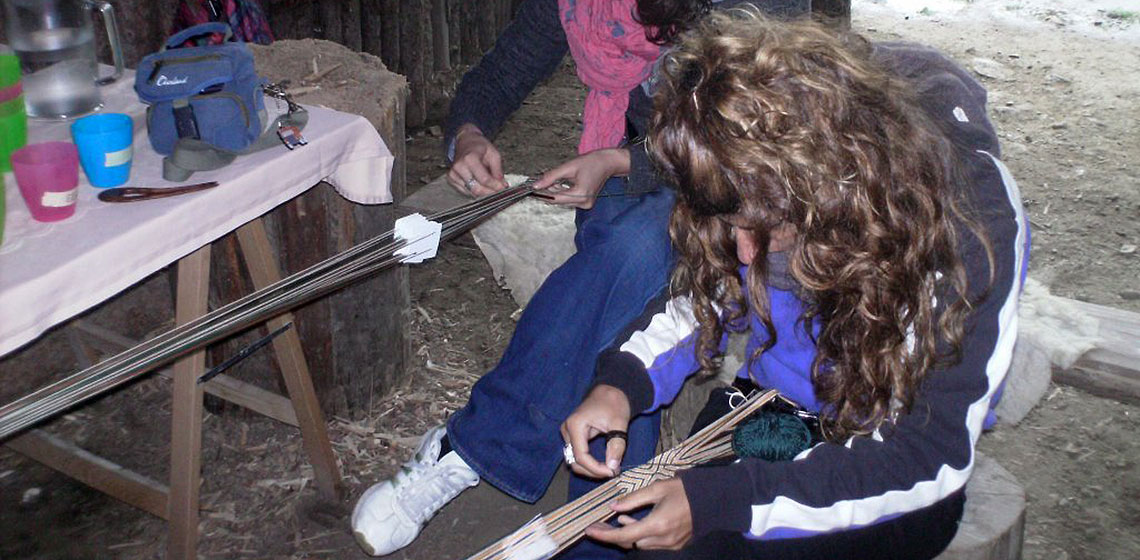
The Textilforum was founded to bring practitioners of all textile crafts together, to compare notes and to learn from each other. Following the success of the first Textilforum, held in Eindhoven in September 2009, this year’s was held in Schnalstal, in South Tyrol, the German-speaking part of Northern Italy from 6-12 September...
Conference Review: Accidental and Experimental Archaeometallurgy
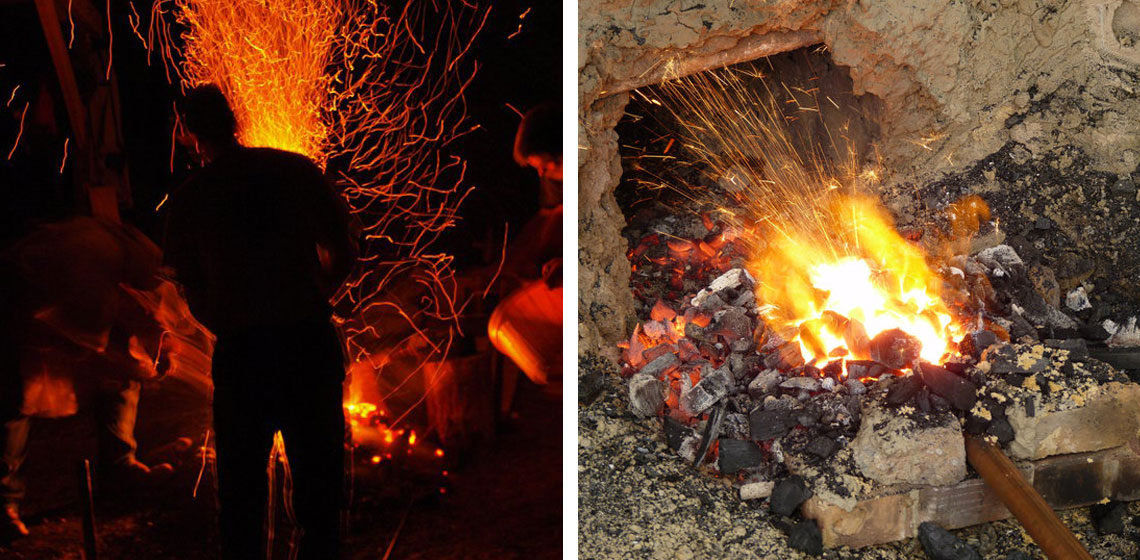
The Historical Metallurgy Society’s Annual Conference, 2-3 September 2010
The Historical Metallurgy Society was established in the early 1970s and is dedicated to providing a forum for the exchange of knowledge and the dissemination of research on the metallurgical practices of the past...
Conference Review: EXARC General Meeting 2010
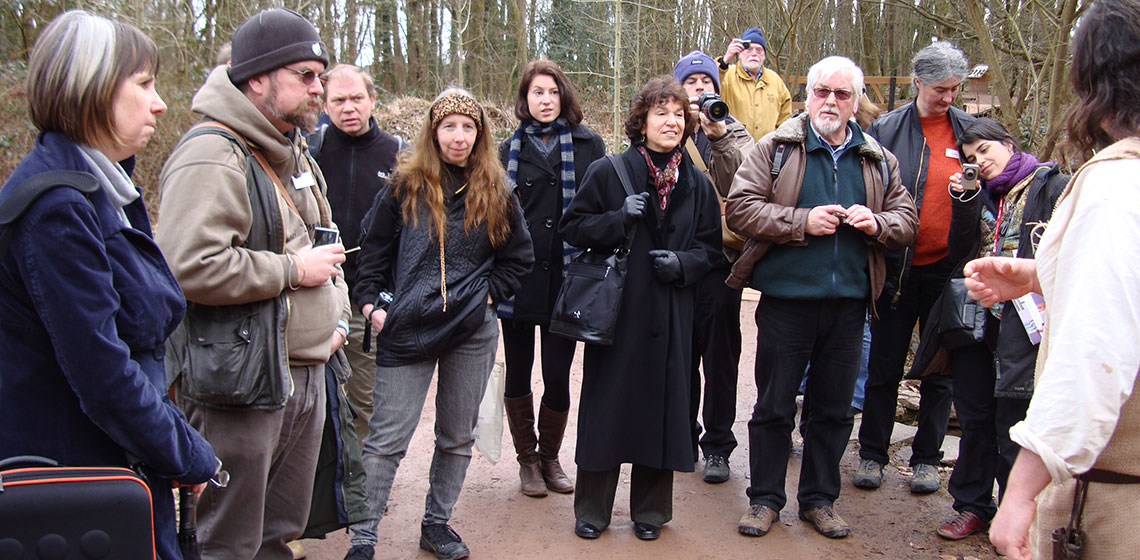
The EXARC General Meeting was held in Cardiff, Wales, UK from the 5-7 of March 2010. Participants visited St. Fagans, an open-air museum, on Saturday the 6th. This review focuses on the papers and the discussion that took place on Sunday the 7th, entitled Open Air and Experimental Archaeology in the UK: recent work and ongoing projects...