
Newer Era
Cochineal in the Classroom: Engagement Success with an Ancient Colourant
Publication Date
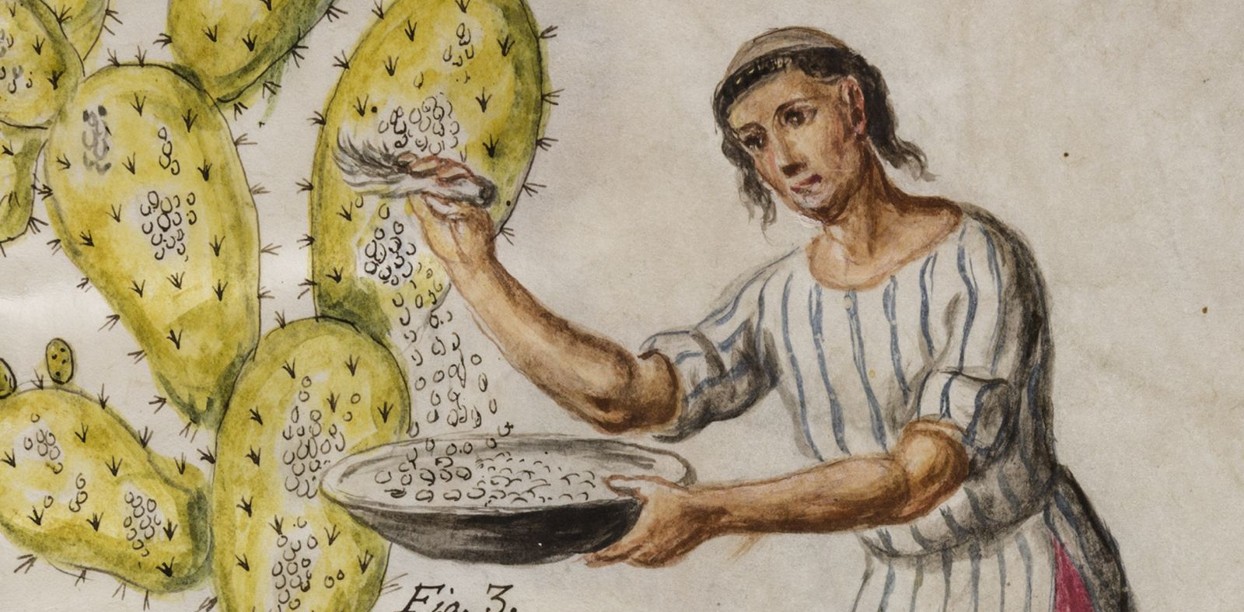
Cochineal, small insects that feed on nopal (prickly pear) cactus leaves, produce a naturally vibrant red colourant and have been used from ancient times for purposes such as dyeing, painting, and cosmetic applications. The ease with which colour can be obtained from Cochineal insects, and its associations with ancient cultures of the Americas, positions it as an ideal candidate for engagement and this paper describes successful hands-on workshops of Cochineal dyeing. Experimental methods were encouraged and facilitated in these workshops, demonstrating the value this natural colourant has in providing accessible educational opportunities for learners of all ages.
Certain Small Contrivances. Recreating an Intestinal Condom Recipe to Determine the Potential Effects of Manufacturing on Zooarchaeology by Mass Spectrometry (ZooMS)
Publication Date
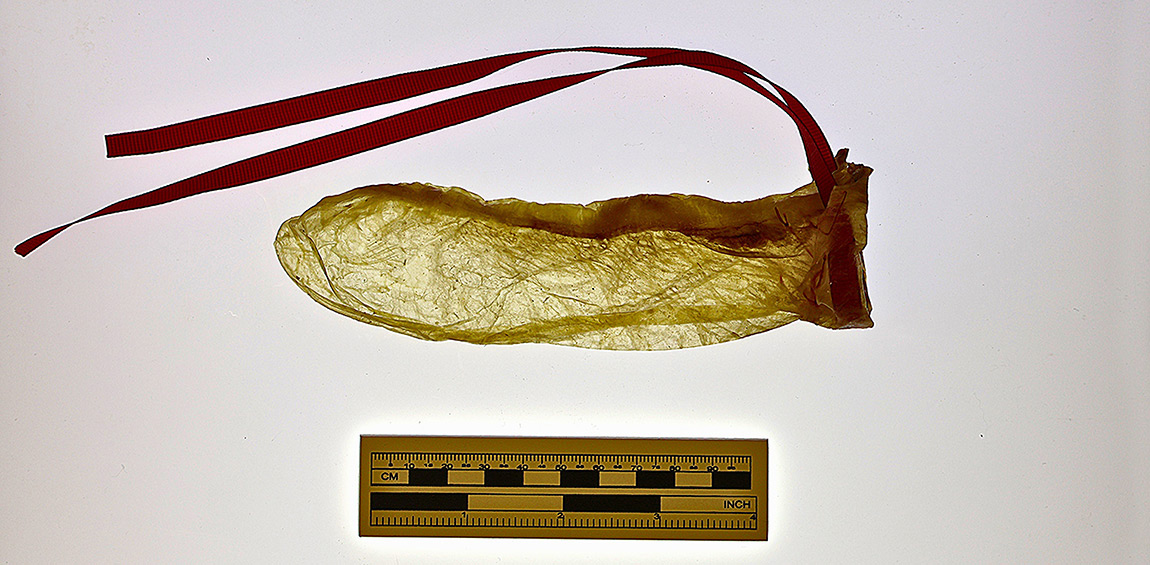
Skin and membranous artifacts are rarely recovered from archaeological excavations due to taphonomic processes that result in rapid decomposition. These classes of artifacts can, however, occasionally be preserved in extreme conditions such as waterlogging, freezing, and dry environments. One such artifact is likely an intestinal condom recovered from a well at the Oxon Hill/Addison Plantation site (18PR175; ca. 1685-early 20th c.) in Maryland, United States...
Interview: Richard Rees, a professional furrier with over 30 years of experience
Publication Date
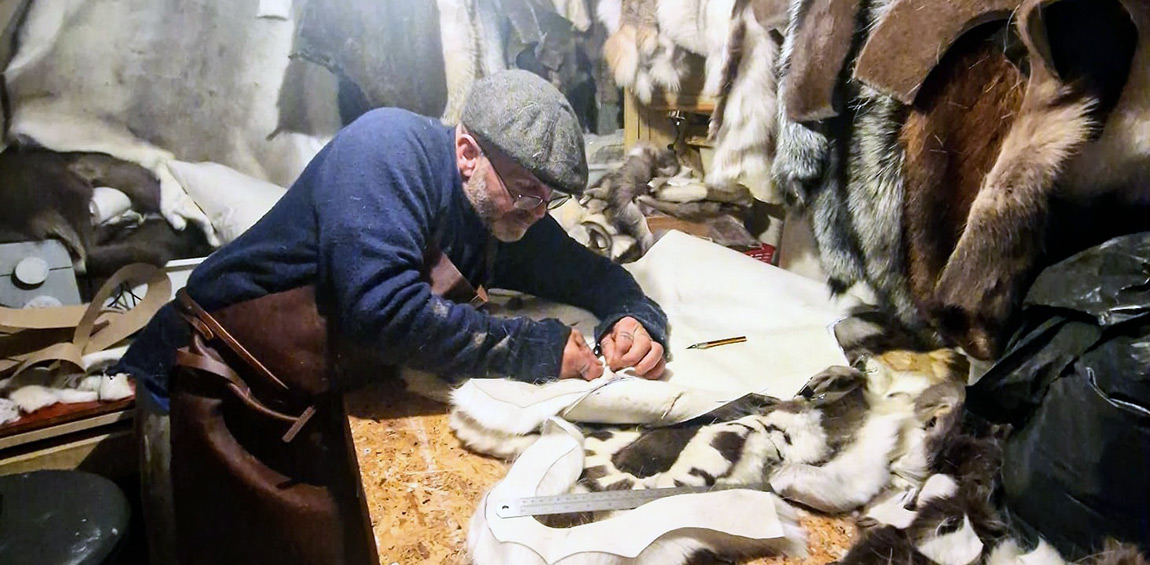
We are talking to Richard Rees, a professional furrier with over 30 years of experience in the profession. He has undertaken an unprecedented project - creating the fifth Qingailisaq parka. The parka is famous for being so difficult to make.
Rediscovering and Rebuilding the Tranent-Cockenzie Waggonway: archaeology and experimental archaeology of Scotland’s First Railway
Publication Date
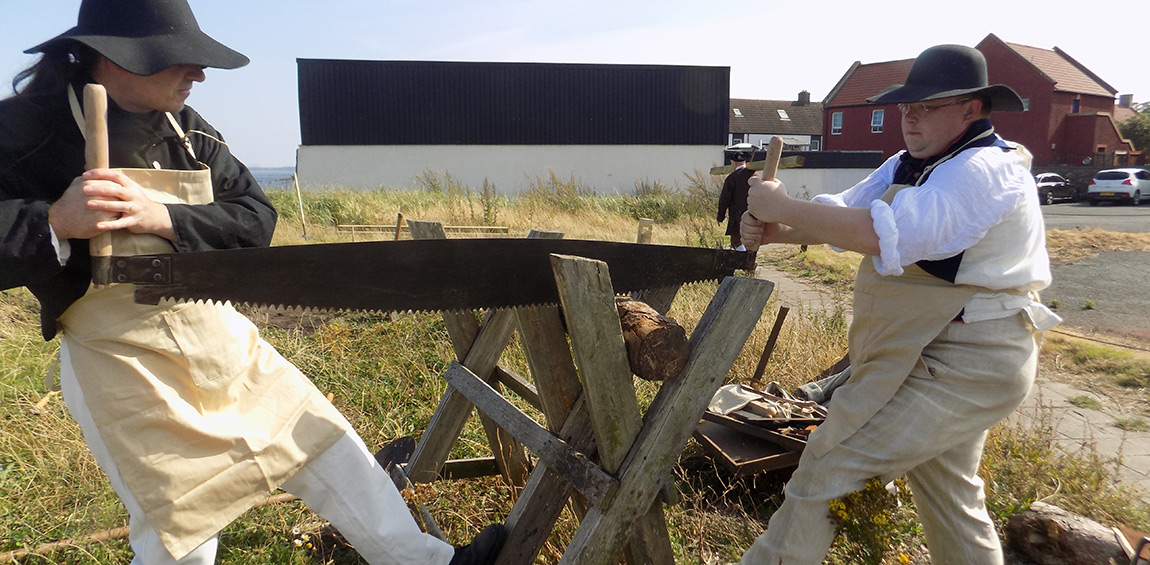
This paper discussed the history, archaeology and experimental reconstruction of the Tranent-Cockenzie Waggonway. First it outlines the known chronology of the railway; secondly is describes the archaeology of the wooden phases of the waggonway (1722-1815) and finally the recent (2024) experimental archaeological project which attempted to reconstruct a 6m long section of the waggonway based on archaeological evidence found in 2019 and 2021...
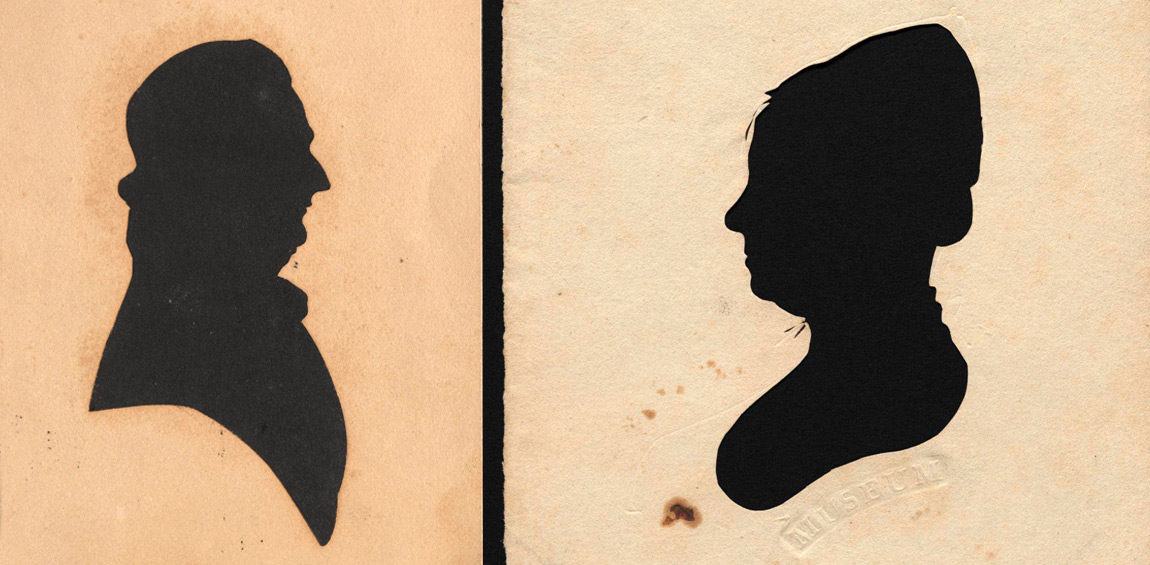
The Itinerant Artist: Portraiting Early America Using Scissors, Soot and Beer
Publication Date
Hundreds of thousands of profile portraits known as silhouettes were created in the new United States in the first decade of 1800 alone. Since the 1990s, museum conservators have wondered how to best care for the materials of these objects in their collection, and a key to understanding conservation is to understand the original fabrication. Volumes of histories have been written of the art and artists, but few analyses and no published experimental studies about the materials themselves have been produced...
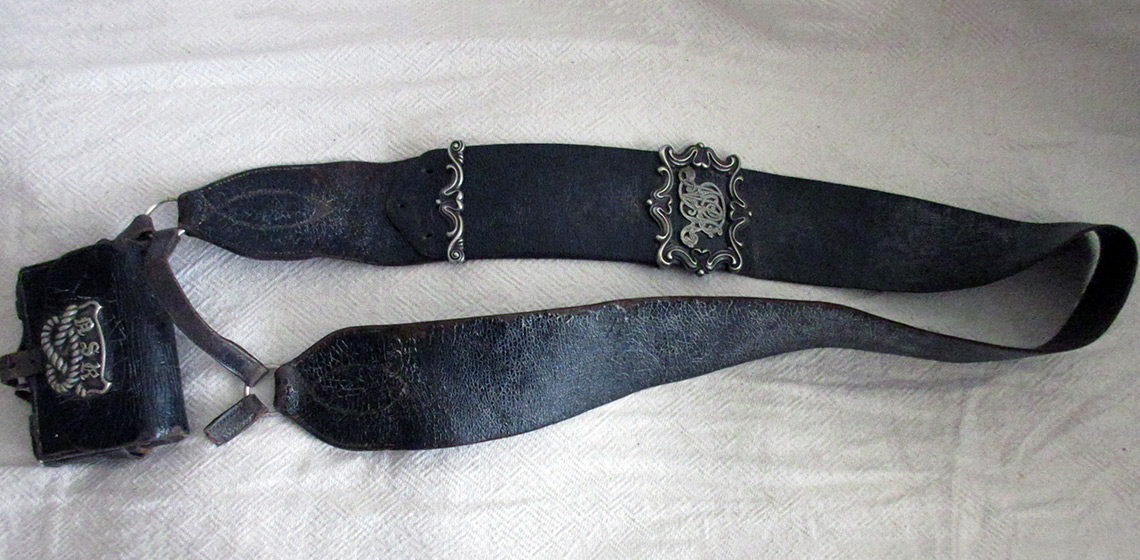
All Aboard! A re-enactment approach to Victorian Railway Guard’s Clothing
Publication Date
This paper examines the form, function and practicality of the clothing worn by late nineteenth century railway guards in Britain. It does so by taking a re-enactment approach, involving the commissioning, wearing, and reporting of replica garments in an appropriate workplace. It demonstrates that whilst such uniforms were smart and created an impression of authority in the wearer and potential viewer...
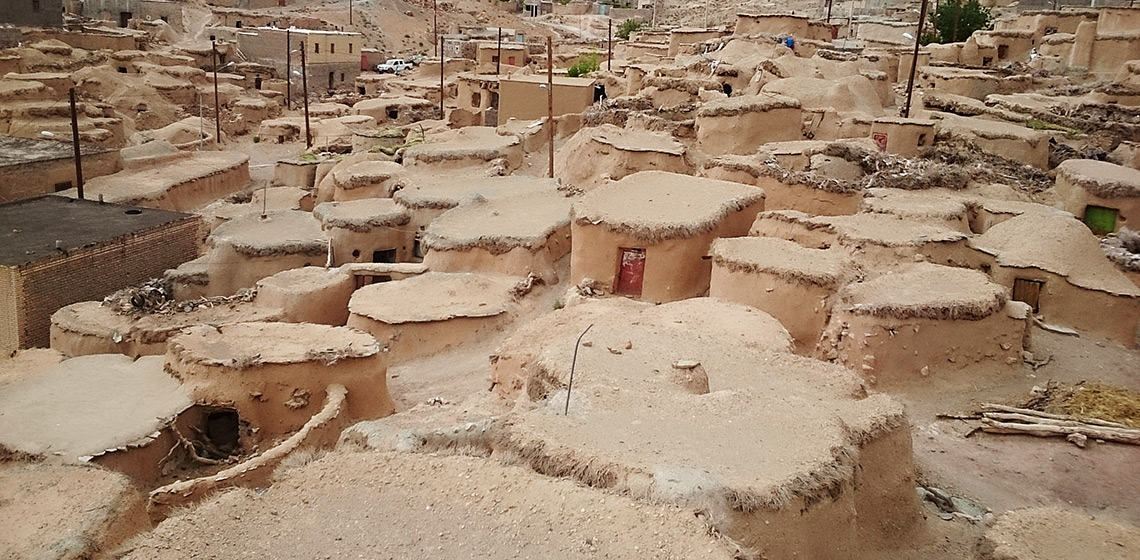
An Ethnoarchaeological Discussion of the Impact of Religion on Architecture in a Remote Iranian Village
Publication Date
In the years 2014 to 2015, an Ethnoarchaeological study of the architecture of Makhunik village (IR) was done. After that, this architecture was studied in different points of view. One of these views was the influence of religion on the architecture of the traditional phase (ca. 1660-1960) to explore the impact of immaterial issues, such as religion in a very religious village, on ...
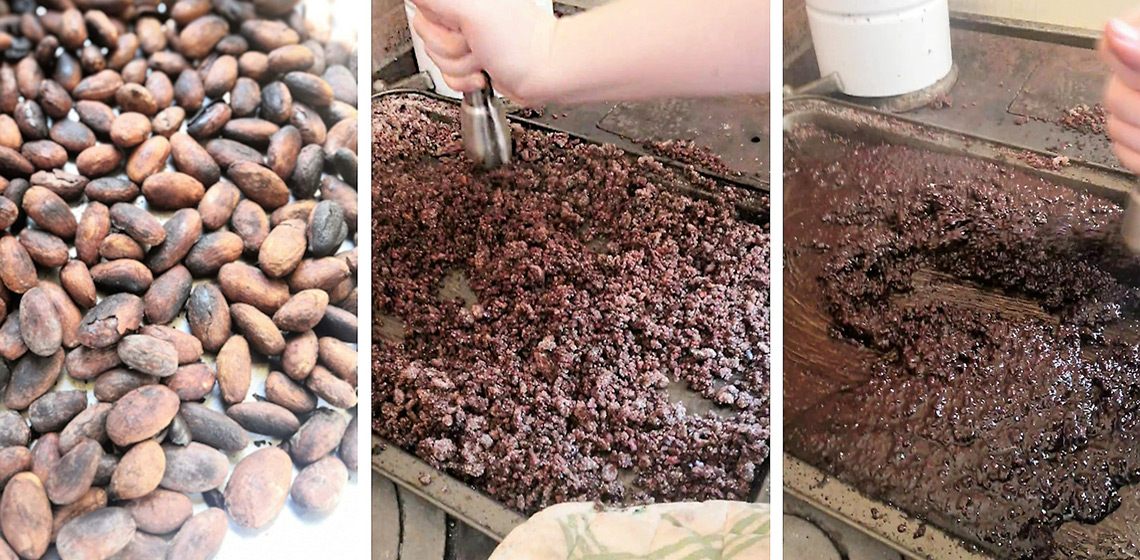
Experimental Archaeology and the Sustainability of Dental Calculus Research: The Case of Chocolate and the Nuns Of S. Maria Della Stella’s Church, Saluzzo, Italy
Publication Date
In Italy, chocolate (Theobroma cacao L.) was introduced during the Columbian exchange, and it quickly became both an important and accessible part of the Italian culinary tradition. Today, Italy is Europe’s second-largest chocolate producer...
Breathing Life Sustainably - An Abandoned Settlement to an Open-Air Museum Twah Longwar
Publication Date
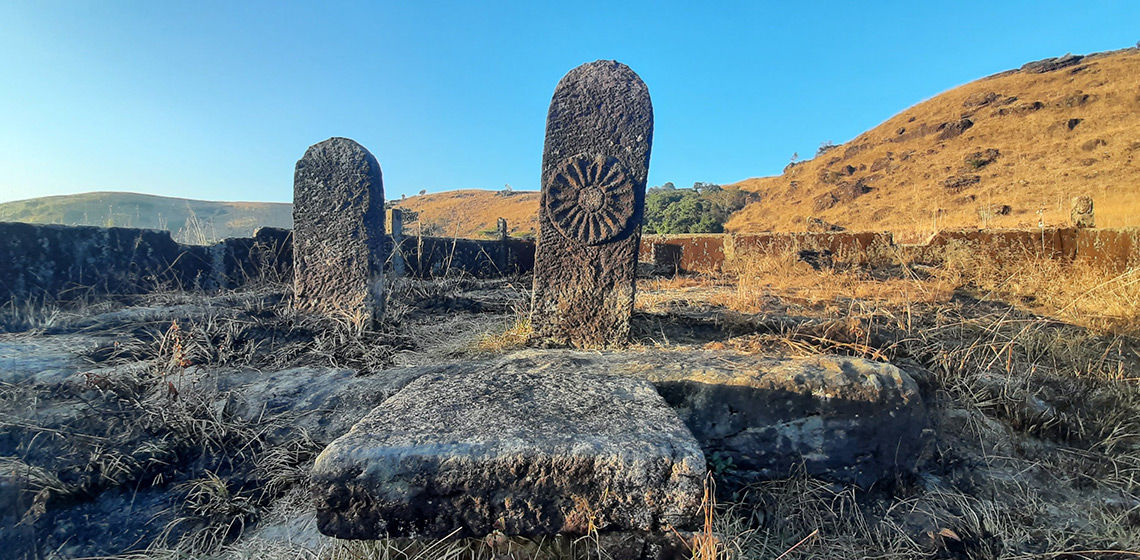
Twah Longwar is an abandoned settlement located in the State of Meghalaya in North-East India. It is located enroute to one of the world's rainiest places on earth – Mawsynram. Twah Longwar is an abandoned settlement with remnants of over twenty old houses, an ancient market, and a burial site. In a place where rainfall is a concern but also a major tourist attraction, and where lost architectural styles are only...
“Cuts Stones of all Sorts, In the Best Manner…”: Experiments in 18th Century lapidary work in America
Publication Date
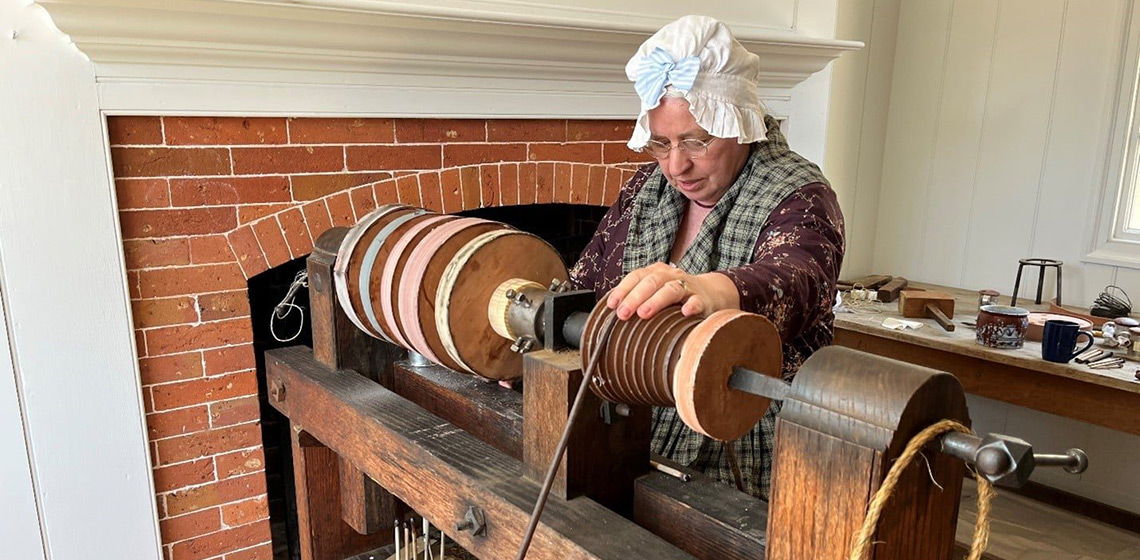
Unusual or rare gems have been valued for as long as there have been humans to appreciate them. The making of beads and ornaments provides some of the earliest examples of the manipulation of materials solely for aesthetic reasons. Throughout history, we have refined the processes and constructed dedicated machinery to further enhance the desirable qualities of certain stones...