
Newer Era
Bast, Ferns, and Mud: Experimental Recreation of a Kapa Kaha (Barkcloth)
Publication Date
#EAC12 World Tour 2021
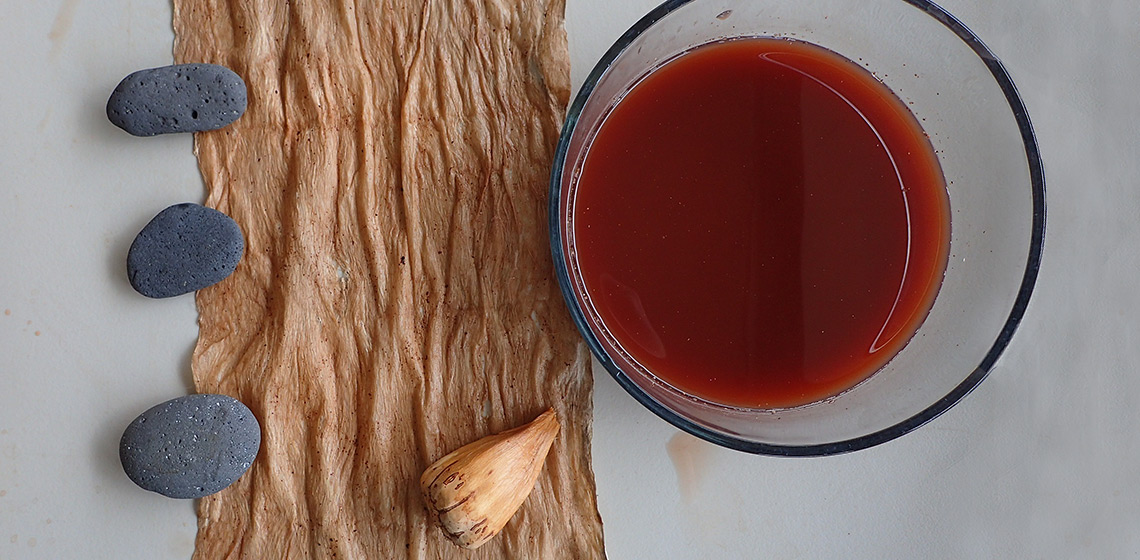
***Kapa (Hawaiian barkcloth) was the ubiquitous fabric of historic Hawaiʻi, used for everything from clothing to bedding, from swaddling newborns to enshrouding the deceased, and all things in between. This textile is crafted from the bast (inner bark) of several plant species...
***Kapa (Hawaiian barkcloth) was the ubiquitous fabric of historic Hawaiʻi, used for everything from clothing to bedding, from swaddling newborns to enshrouding the deceased, and all things in between. This textile is crafted from the bast (inner bark) of several plant species...
Recreating Historic European Spindle Spinning

Publication Date
Spinning is a vital step in the production of textiles, whereby fibres are drawn out (drafted) and twisted together to make thread. In the present day, several culturally unique types of spinning are recognised, such as the thigh-rolling technique of traditional Navajo spinners who use unusually large spindles in a supported style (Wolf Creek, 2009)...
Killing the Cauldron: Experimental Research on Dented Bronze Cauldrons from the (post)Medieval Period
Publication Date
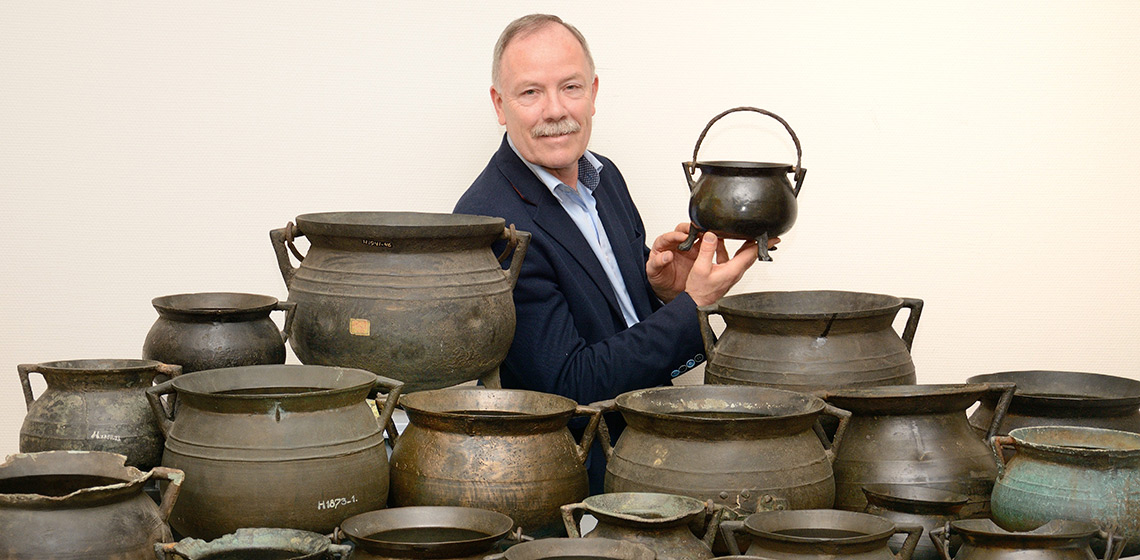
Bronze cauldrons from the late Middle Ages, and the 16th and 17th century are hardly ever discovered during archaeological excavations but are usually unearthed by detectorists having discovered the find of their life. Many of these vessels happen to be damaged. Sometimes one or two legs are lost, or a piece of the rim is missing, more often they exhibit one or more dents. We know that in prehistory the ritual...
The Ancient Magic of Malt: Making Malt Sugars and Ale from Grain Using Traditional Techniques
Publication Date
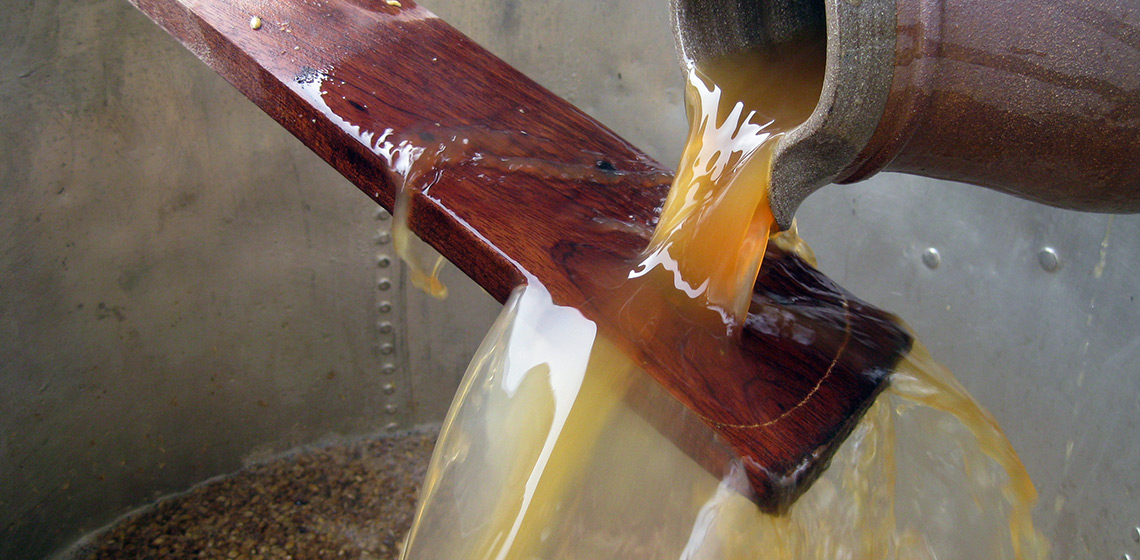
The transformation of grain into malt, malt sugars and ale is a three step process. First, the controlled germination (malting), then ‘mashing in’ and collecting a sweet liquid known as wort and finally, the fermentation by pitching the yeast which converts the sugary wort into an alcoholic beverage. Each step requires different conditions for the process to work. They cannot be combined...
Book Review: Weaving a Realm, Vietnamese clothing from around 1500 AD

Publication Date
What a pleasure it was when this book landed on my coffee table! The book is bilingual Vietnamese – English, well designed and covers over 200 pages with hundreds of full-colour images. The book is a joint project by several Vietnamese from around the world who wished to add to the awareness of Vietnamese identities around the world. Viet Nam is so much more than what people remember of the Vietnam War...
Traces of Manufacture, Use, Repair and Modification Observed on Ethnographic Throwing Sticks and Boomerangs
Publication Date
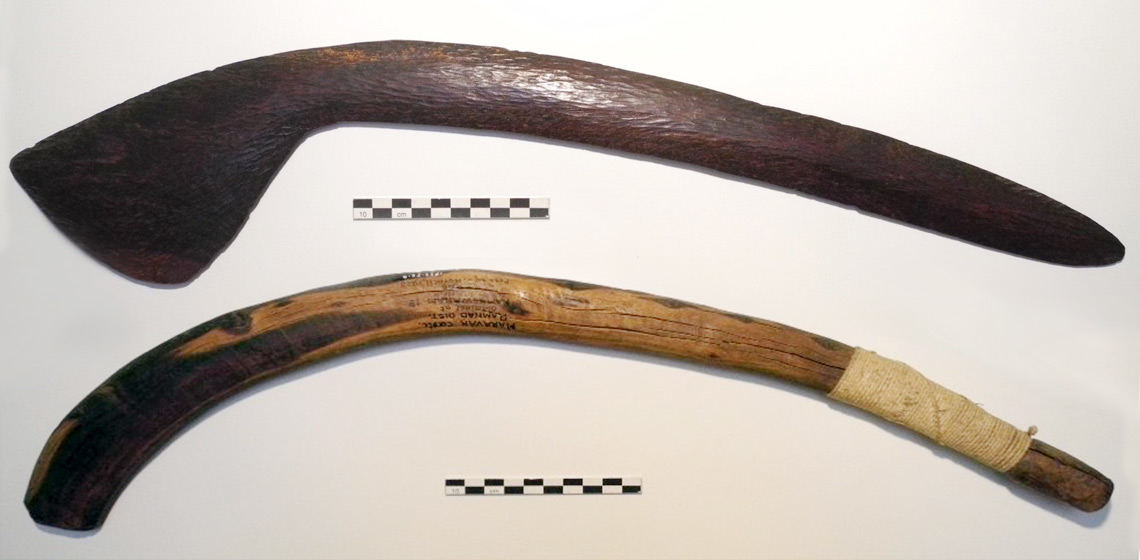
Throwing sticks and boomerangs are present in the collections of many French and international museums. Collected mainly in the 19th and 20th centuries by travelers, they were mainly analyzed from a stylistic point of view, to relate them to their region of origin. Some of these objects were made by the indigenous populations especially to be exchanged with Europeans and only bear macro-traces of manufacture...
Discussion: The Concept of Authenticity in Collections of Open-Air Museums
Publication Date
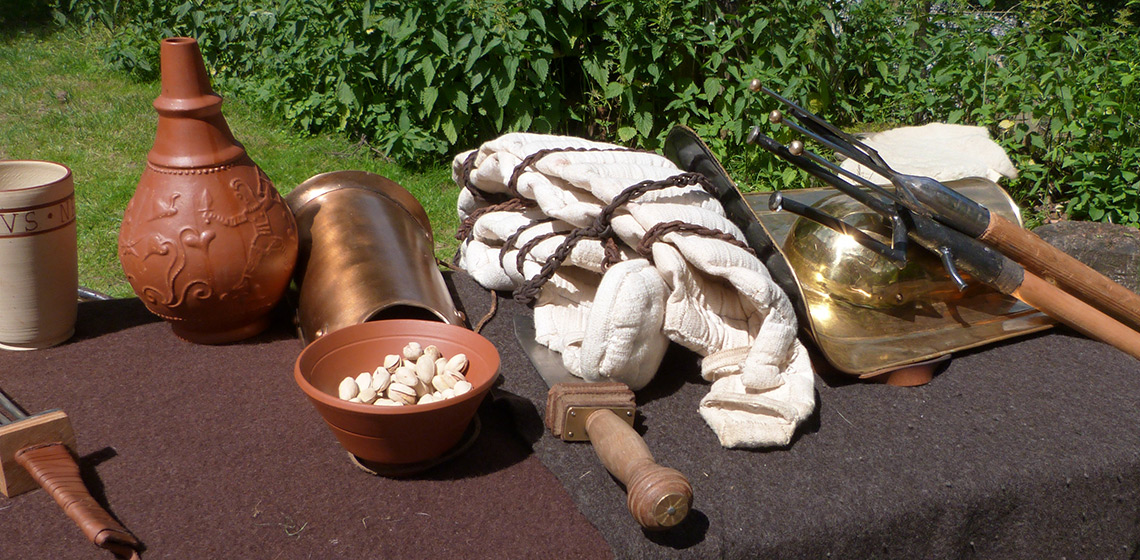
How is it possible that if you go into an arts museum, the ceramics you see may be made yesterday and may be a valued and legitimate part of the museum collection, while in open-air museums, a similar object ...
Book Review: Historical Brewing Techniques by Lars Marius Garshol
Publication Date
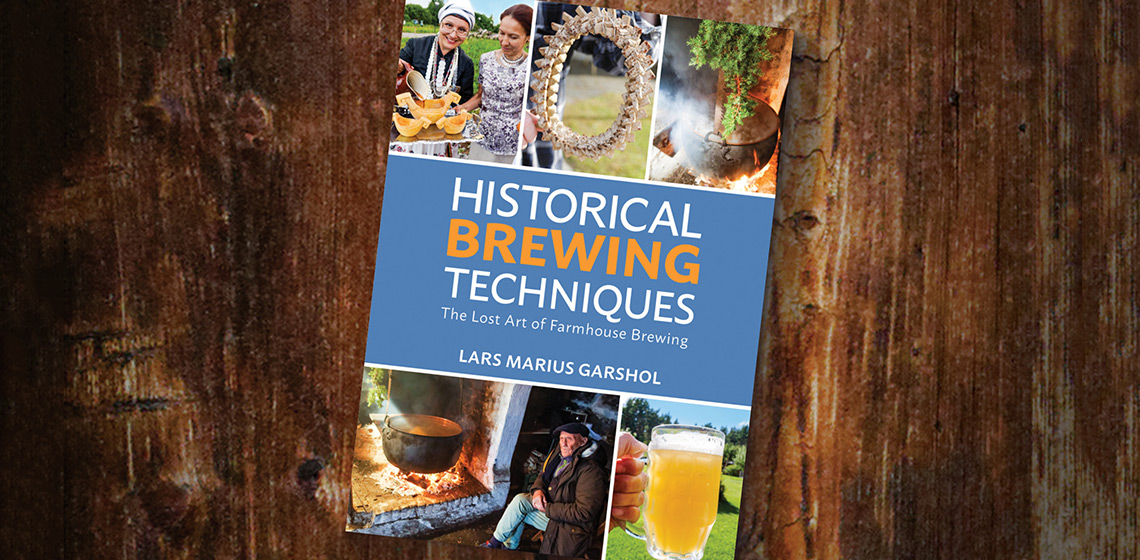
My fascination with Scandinavian yeast rings let me to meet Lars Marius Garshol, online, several years ago. It was refreshing to meet someone, even if only online, who, just like I, enjoys the practical aspects of enjoying and brewing a good home brew as well as being deeply fascinated with its traditions and history. We shared research, compared notes, and had lively discussions, even though...
The Vertical Olive Crushing Mill as a Machine and its Energy Balance - A Preliminary Approach
Publication Date
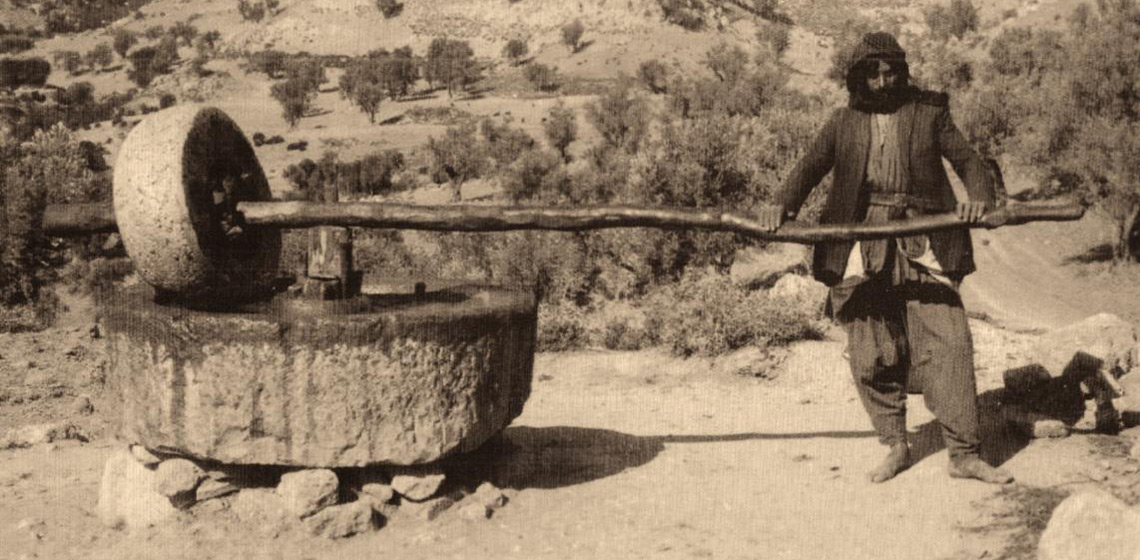
The vertical crushing mill turns the olives into pulp by combining the rotational and rolling motion of a heavy upright stone wheel that moves with continuous contact along a circular horizontal trajectory on a stationary base which forms the system's frame of reference. It was devised during the Hellenistic period and served as one of the most important and impressive means of production in the pre-industrial olive mills of Crete and the Mediterranean in general, until more advanced mill types gradually started replacing it from the mid-19th century onwards.
Replication of a Maori Ethnographic Textile Hem Border Pattern
Publication Date
11th EAC Trento 2019
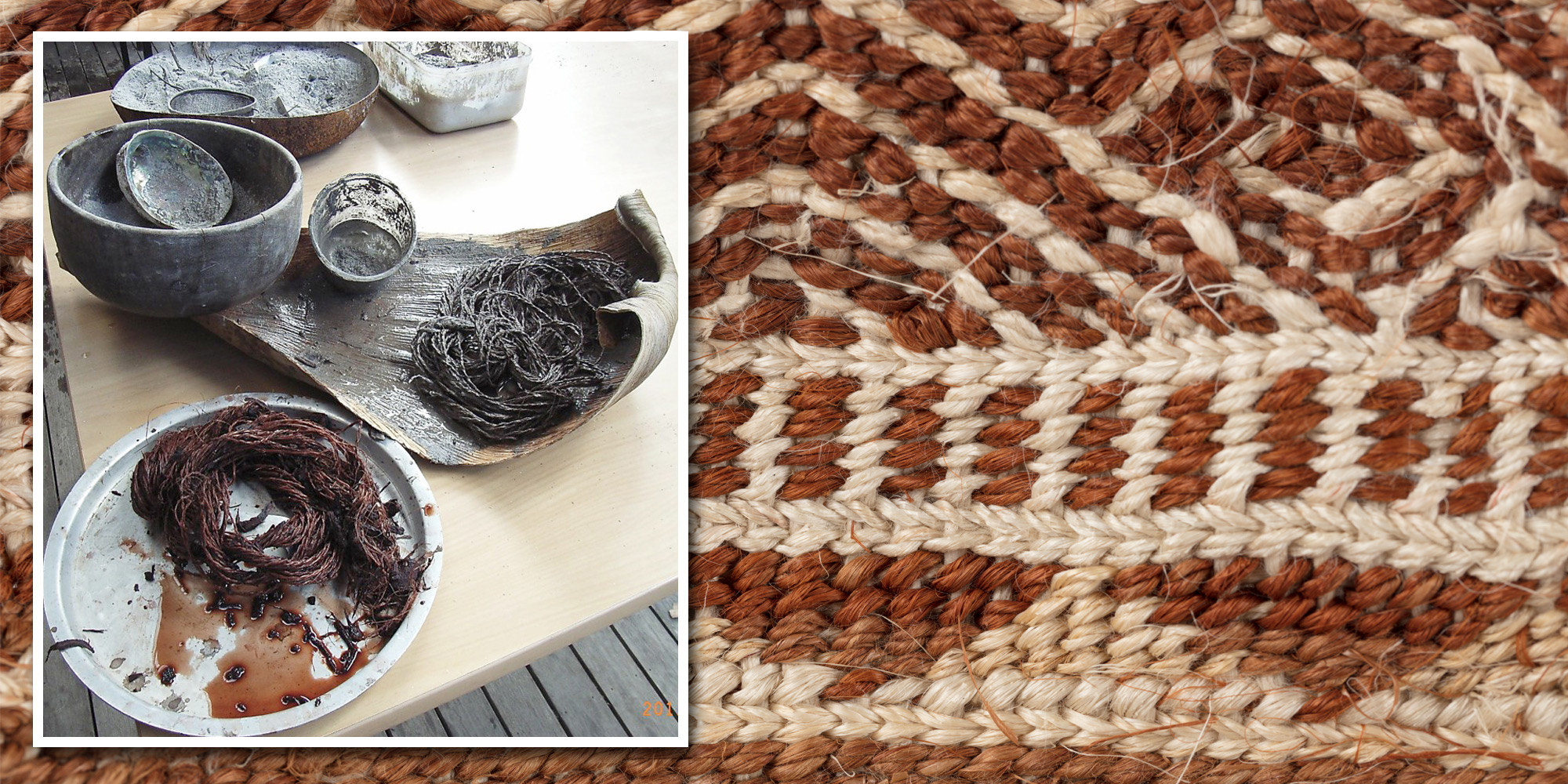
***Replication of archaeological and ethnographic Māori textiles, under the direction of customary knowledge and previous practical experience, can provide a more nuanced understanding of the manufacture of taonga (treasures) made from fibre materials. A case study is presented here from the unique perspective of a weaver who...
***Replication of archaeological and ethnographic Māori textiles, under the direction of customary knowledge and previous practical experience, can provide a more nuanced understanding of the manufacture of taonga (treasures) made from fibre materials. A case study is presented here from the unique perspective of a weaver who...