
Newer Era
Conference Review: Biannual Conference of the Association of European Open Air Museums (AEOM), Poland, August 2019
Publication Date
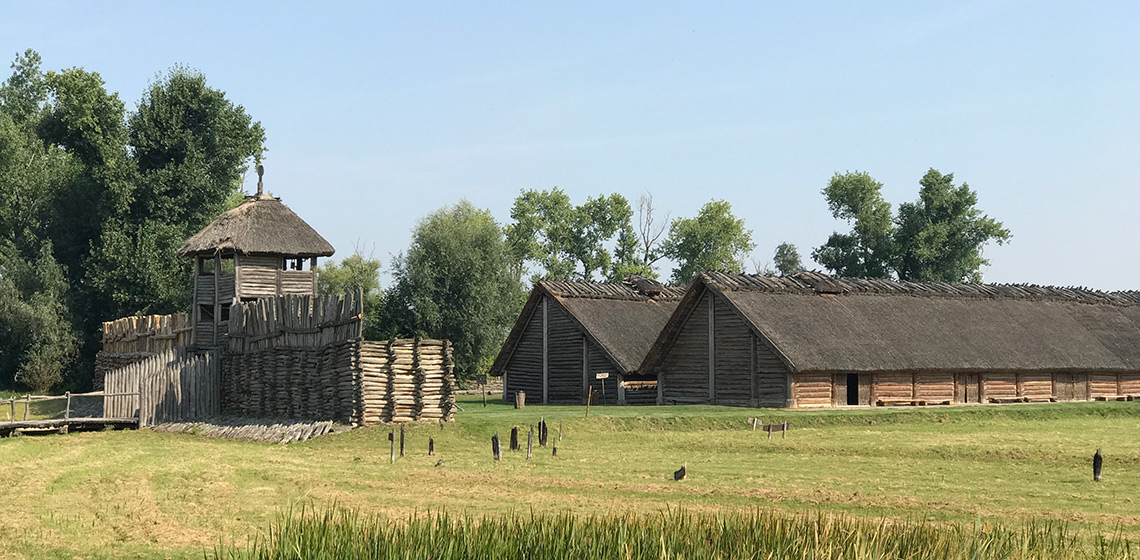
This year’s Association of European Open Air Museums (AEOM) Biannual Conference 2019 took place at multiple sites in Poland, over four days in late August. Its two key themes were ‘How Open Air Museums represent different cultural identities’, and ‘Representing the past - technical solutions for reconstruction and archaeological interpretation’. I was invited to participate in order to...
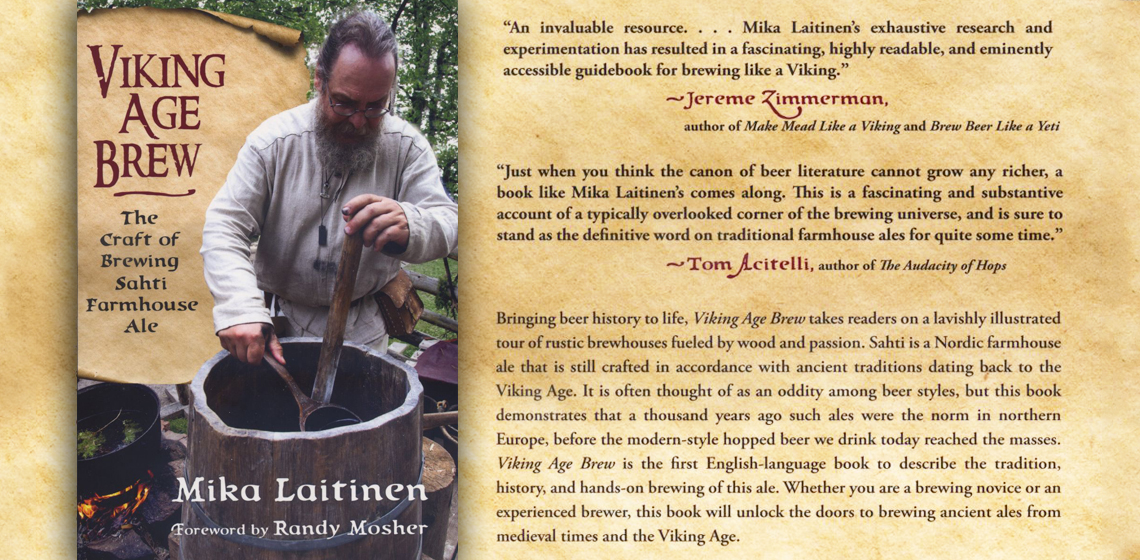
Book Review: Viking Age Brew, by Mika Laitinen
Publication Date
What did ale and beer taste like in the past? How was it made? What sort of equipment did they use and what were the ingredients? The answers to all of these questions, and more, can be found in this book. Archaeologists, experimental archaeologists, brewing historians and anyone interested in ancient technologies will find this book invaluable as an easily accessible study and explanation of ...
Colonial Williamsburg: Archaeology, Interpretation & Phenomenology
Publication Date
2018 EXARC in Kernave
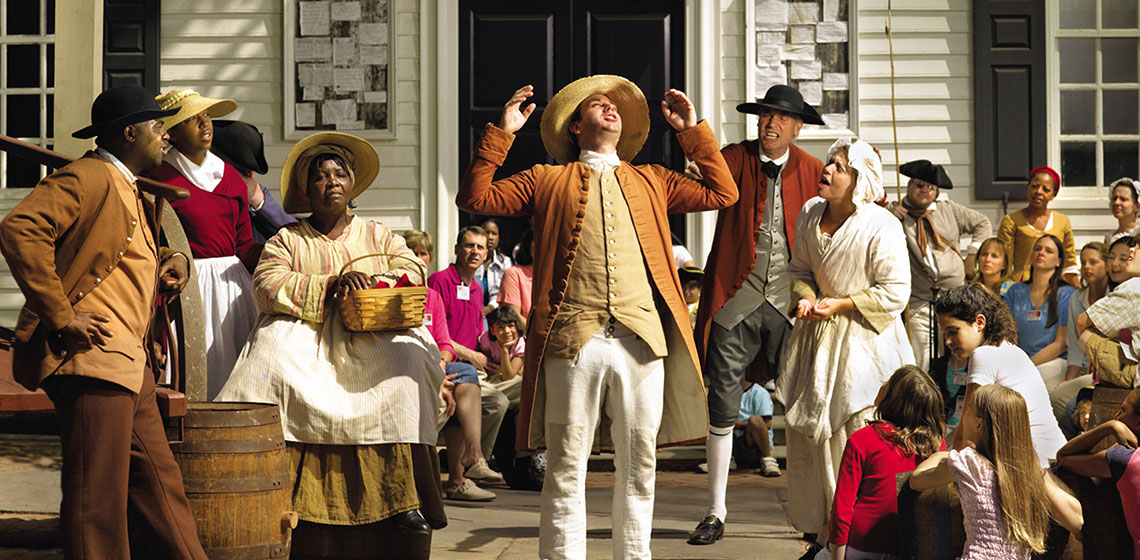
***When I began investigating this conference I was unclear as to how well EXARC’s focus on experimental archaeology would blend with International Museum Theatre Alliance (Imtal)’s approach of museum theatre and interpretation. They seem after all, two very different disciplines...
***When I began investigating this conference I was unclear as to how well EXARC’s focus on experimental archaeology would blend with International Museum Theatre Alliance (Imtal)’s approach of museum theatre and interpretation. They seem after all, two very different disciplines...
X-Ray Tomography and Infrared Spectrometry for the Analysis of Throwing Sticks & Boomerangs
Publication Date
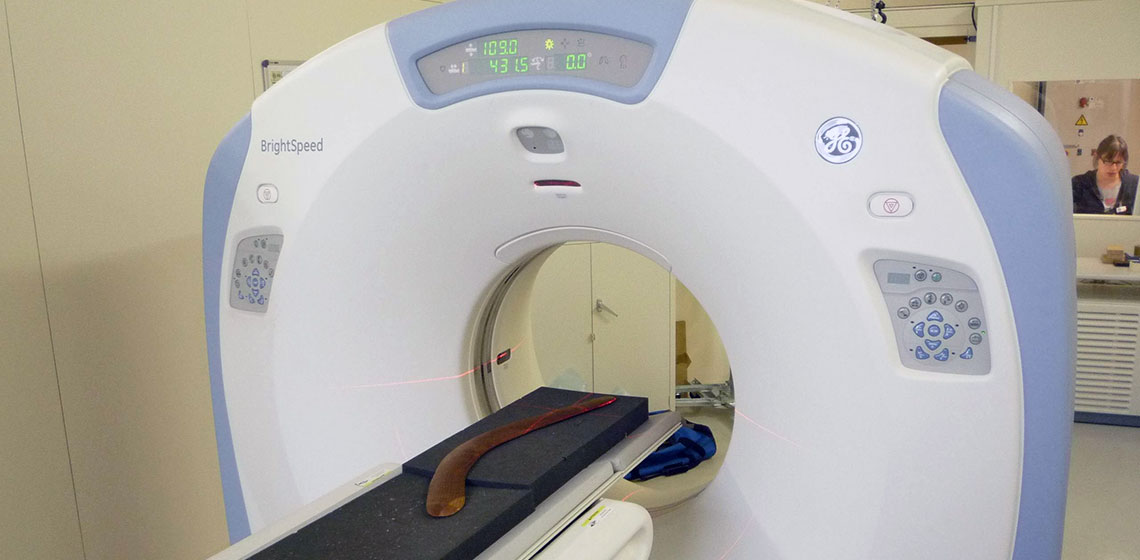
In 2009, confronted to the study of throwing sticks collections from several museums and private collections (including more than three hundreds artefacts) and the need to evaluate their aerodynamic and functions, I developed a throwing stick classification and a methodology to measure their characteristics (Bordes, 2014). This approach is complementary to the gathering of ethnographic or archaeological contextual data to confirm or invalidate hypotheses about theirs functions.
Experimental Bonfirings of Pottery with Camel Dung Fuel, Jordan, July 2018
Publication Date
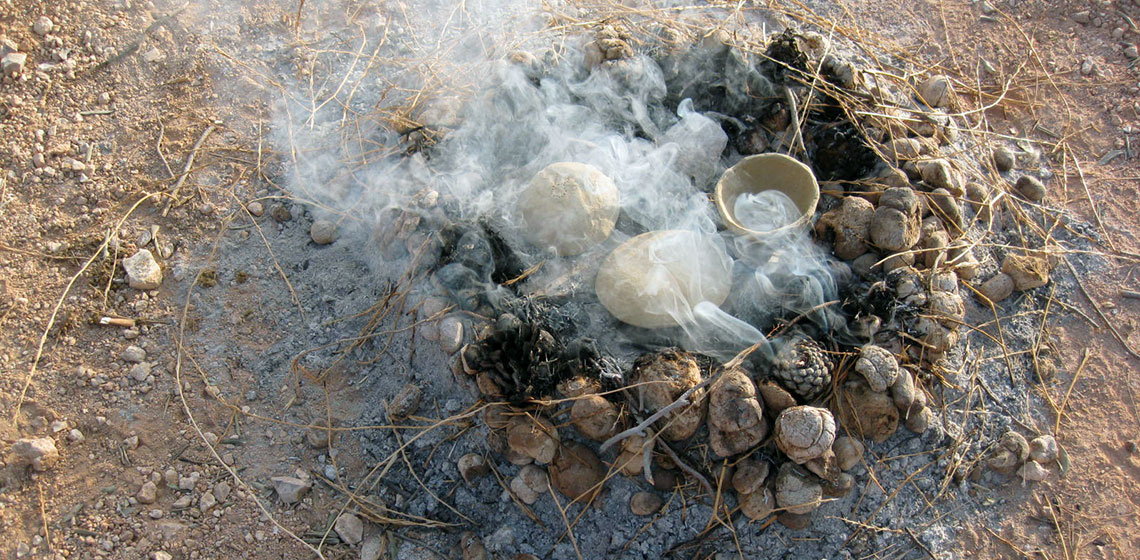
The objective of this series of experimental pottery firings with camel dung fuel was to isolate the function of this fuel type within the context of a simple mode of pottery firing for data applicable to studies of ancient pottery manufacture...
Book Review: Crafting in the World, Materiality in the Making by Burke and Spencer-Wood
Publication Date
Archaeologists dream of books with comprehensive coverage that address specific gaps in knowledge and at the same time address theoretical issues and newer concerns about the nature of craft in a direct method. Editors Burke and Spencer-Wood fulfil this by discussing the world of craft...
Experimental Reconstruction of a Nineteenth Century Lower Limb Prosthetic Peg Leg – The Box Leg
Publication Date
10th EAC Leiden 2017
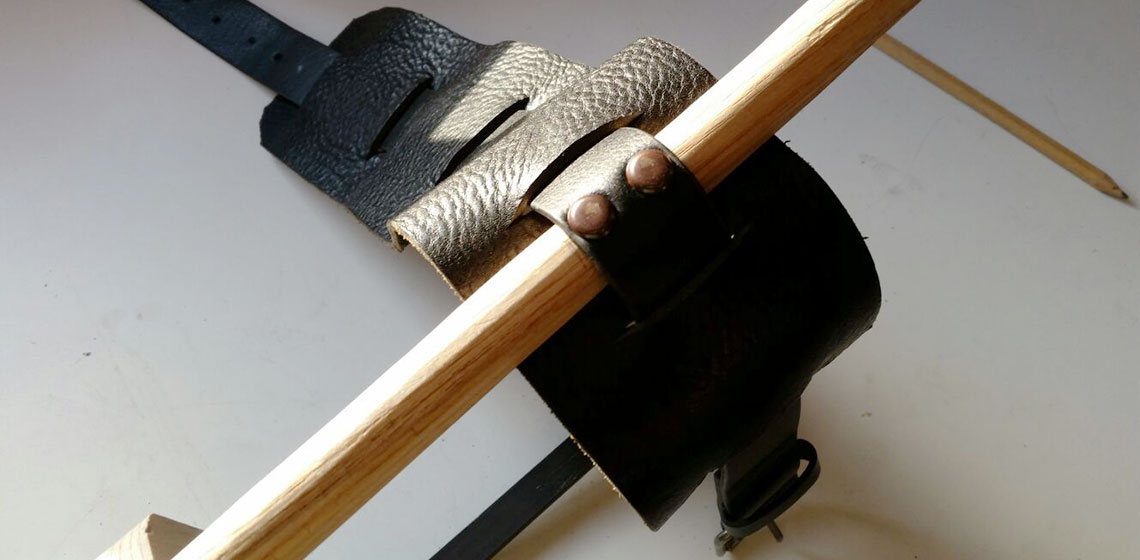
***Scientific attempts to understand early prosthesis manufacturing techniques are rare. The academic research of artificial limbs has been limited to the historical analysis of documentary sources. This area still remains a fairly under-researched topic even under the more recent developments of disability studies (Childress, 1985)...
***Scientific attempts to understand early prosthesis manufacturing techniques are rare. The academic research of artificial limbs has been limited to the historical analysis of documentary sources. This area still remains a fairly under-researched topic even under the more recent developments of disability studies (Childress, 1985)...
Re-Creating an Aboriginal Earth Oven with Clayey Heating Elements: Experimental Archaeology and Paleodietary Implications
Publication Date
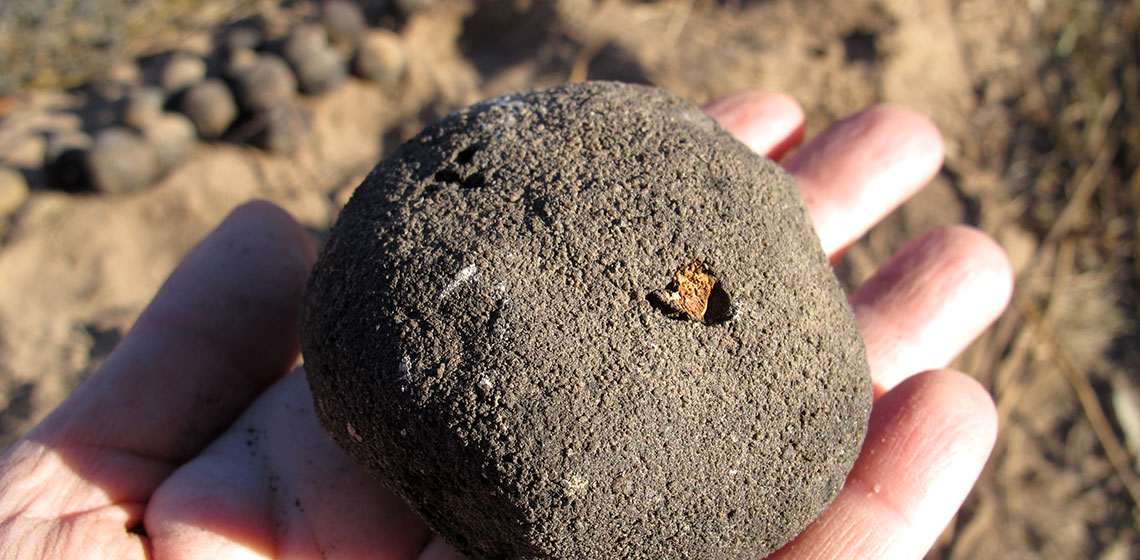
Earth ovens may relate to different ancestral cooking techniques, serving specific needs and functions. In eastern and south-eastern Australia, they were a significant element of a thriving pre-colonial Aboriginal culture. However, today it is extremely rare to find such structures well preserved. Based on archaeological and historical records...
History in Motion: Colonial Williamsburg

Publication Date
Boundaries are always an interesting topic. In the framework of the current heritage buzz word decolonization, boundaries might also represent what is “colonised” in every cultural enterprise, or to be more specific, how and why some form of power obtruded its authority, and to what extent. Like almost all other museums, Colonial Williamsburg deals with the past. The past has its own boundaries that...
An Experimental Diachronic Exploration of Patination Methodology of Dark Patinated (Arsenical) Copper Alloys on Case Studies from the Eastern Mediterranean Bronze Age and Early Iron Age
Publication Date
10th EAC Leiden 2017
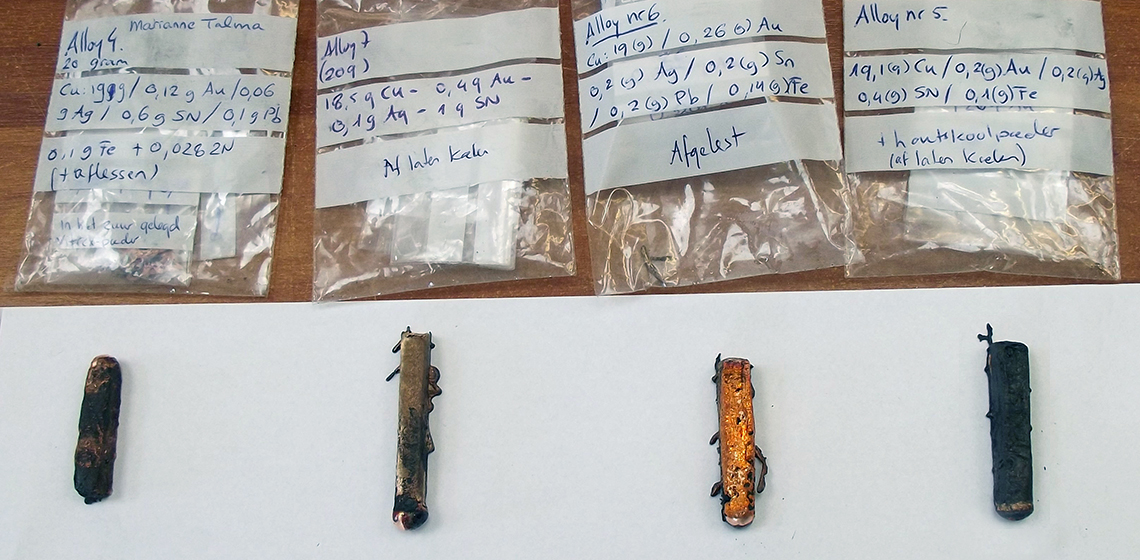
***Artificially patinated copper alloys are found archaeologically in polychrome artefacts from the 19th century BC Egypt to historical and contemporary Japan. The unusual colour variations observed in these patinas, ranging from black to blue to purple, is due to a minor amount of gold (Au) and silver (Ag) in their copper matrix, whereas accompanying elements such as tin (Sn), iron (Fe), and arsenic (As) might influence workability, hue or shine.
***Artificially patinated copper alloys are found archaeologically in polychrome artefacts from the 19th century BC Egypt to historical and contemporary Japan. The unusual colour variations observed in these patinas, ranging from black to blue to purple, is due to a minor amount of gold (Au) and silver (Ag) in their copper matrix, whereas accompanying elements such as tin (Sn), iron (Fe), and arsenic (As) might influence workability, hue or shine.