Late Middle Ages

Searching for Dubh: Experiments in Black Dyes Pre 15th Century in Ireland and Scotland
Author(s)
Ashley Stillwell-Hasan 1
Publication Date
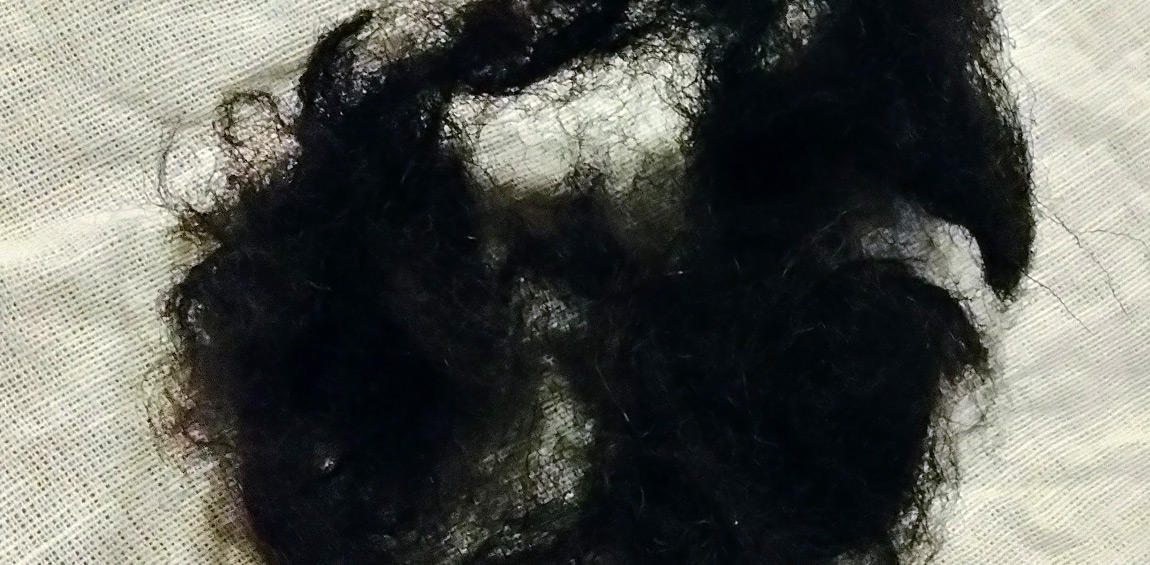
This paper explores sources of black dyes in Ireland and Scotland prior to 1500, in order to better understand the extent to which they were used and the hues that can be produced. I propose that it is possible to obtain true blacks using only natural dyeing techniques. To test this hypothesis, four variations of historically plausible dye methods, and a control, were tested based on the availability of the dyestuffs. Brown Shetland wool was dyed according to possible historical methods, and each variant was subjected to a series of tests to examine lightfastness and wash fastness. Initially, testing showed a low indigotin content, an organic compound which creates a blue pigment, in the sourced woad, resulting in a poor dye bath and skewed results.

Resurrecting a Bog Dress: A Comparative approach to Medieval Textile Construction
Author(s)
Jake Morton 1 ✉,
Ruby Becker 1,
Helen Banta 1
Publication Date
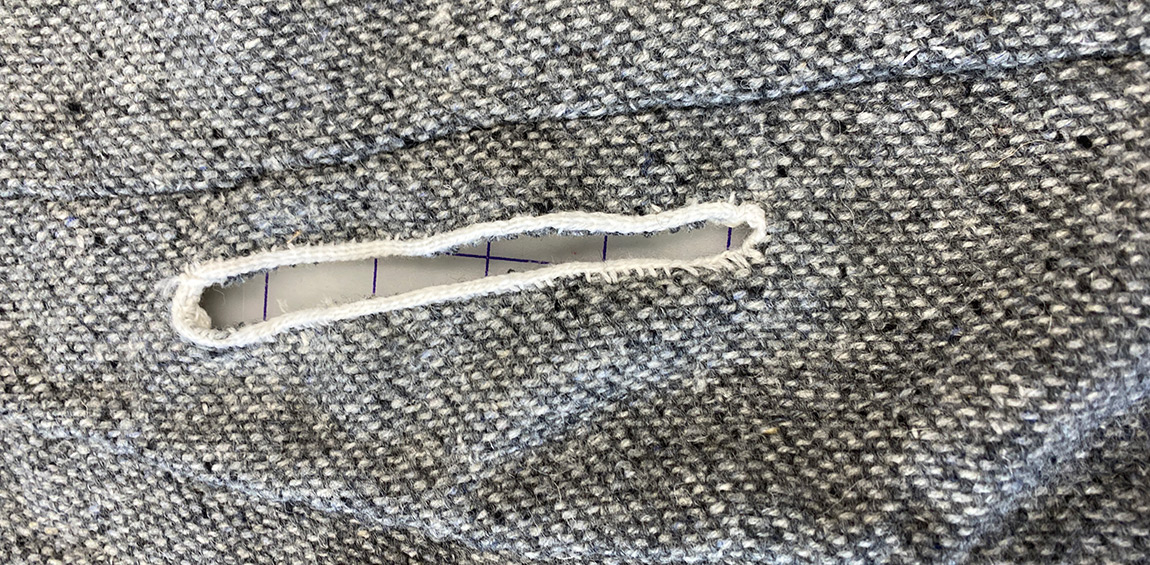
In this article we recreated garment 38 from the fourteenth century garments preserved in a graveyard in Herjolfsnes, Greenland to explore the reasons behind the stitching techniques used. Using experimental methodologies, previous knowledge of patterning, and hand stitching techniques, we constructed one half of the garment using modern hand stitching techniques and the other using period techniques...

Reconstruction of some String Instruments from the Ceiling Paintings of the Palatine Chapel of Palermo and the Cathedral of Cefalù, 12th Century
Author(s)
Giuseppe Antonio Severini 1
Publication Date

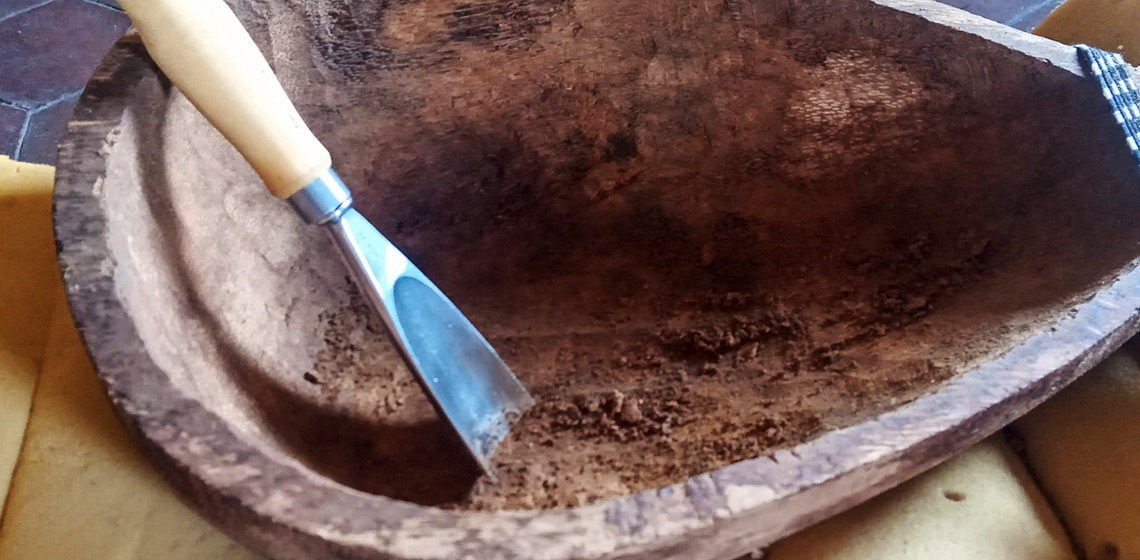
This study explores two hypotheses regarding the use of date palm (Phoenix dactylifera/Phoenix canariensis) wood for the manufacture of plucked string instruments (in this case the lute) and ceramics for bowed instruments (rabāb), drawing inspiration from exceptionally significant iconographic sources...

Hard Fun: Further Discussions on an Undergraduate Project to (Re)Construct and Fire a Medieval Tile Kiln
Author(s)
Gaynor Wood 1
Publication Date
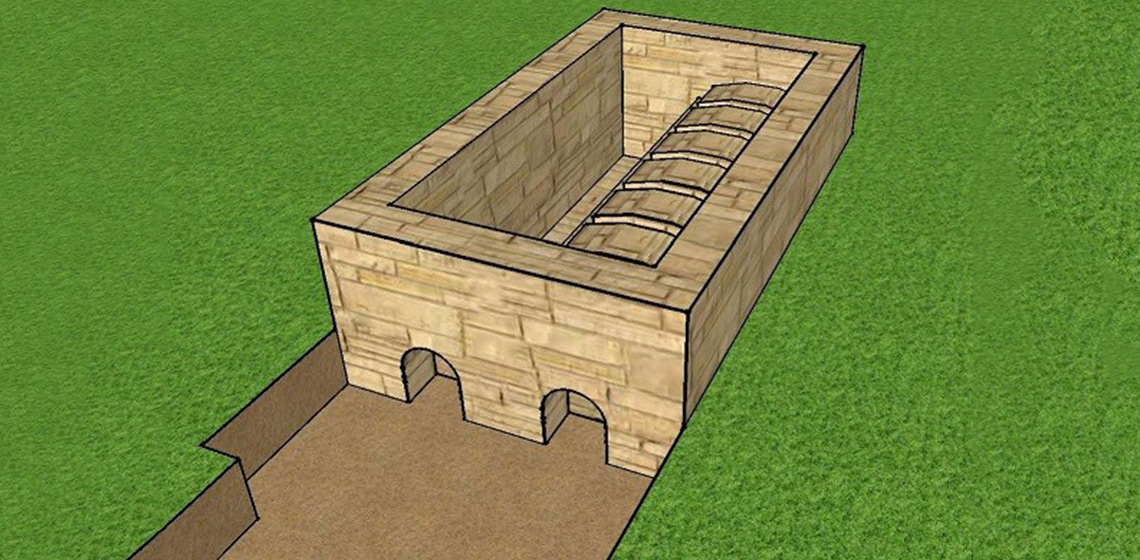
This experiment, undertaken over a 12-month period in 2015 at Norton Priory Museum in Cheshire, formed part of a pedagogic case study and an experimental archaeology project. Here eight Archaeology and 12 Ceramics students from the University of Central Lancashire (UCLAN) researched, built, and fired a tile kiln using evidence from previous experimental archaeology projects on the site and other firing projects...

Book Review: A Handbook for Women’s clothing, Northern Europe, 1360-1415 by Ahlqvist and Neijman
Author(s)
Catharina Oksen 1
Publication Date

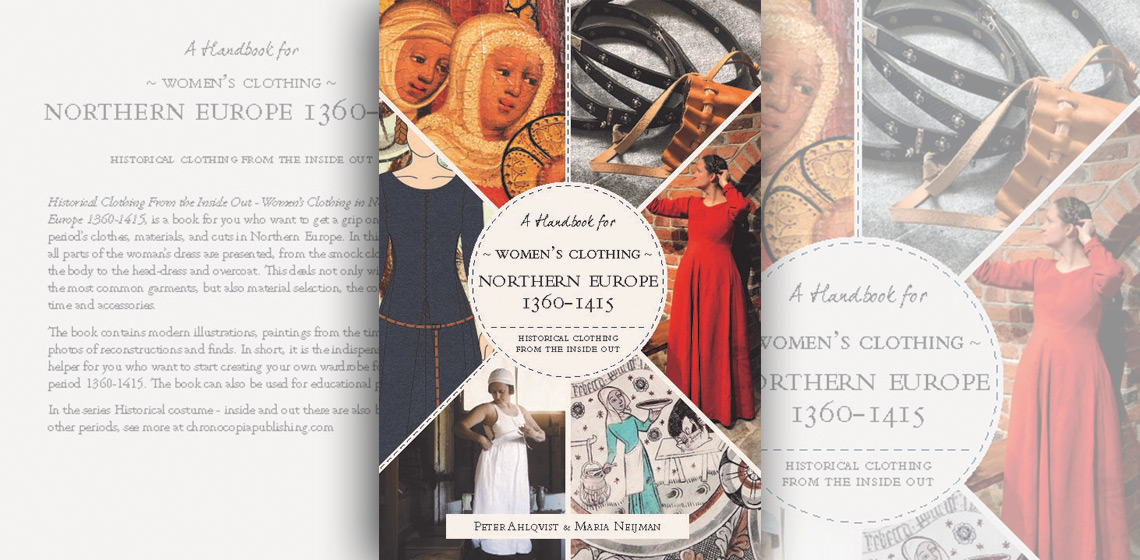
The book gives a short historical overview of major events in the chosen area, followed by an informative chapter on colours, a likewise very competent chapter on fabrics, and one on sewing techniques. Then the dress parts are presented, with very clear and informative modern illustrations. The focus is on ordinary dresses, not the really posh ones.

There are no sewing patterns as such, but the experienced seamstress can easily transfer the small silhouette patterns to real patterns, or one can search the bibliography in the book for relevant publications.

Evaluation of Mail Horse-Armour
Author(s)
David Jones 1 ✉,
Emma Herbert-Davies 2
Publication Date
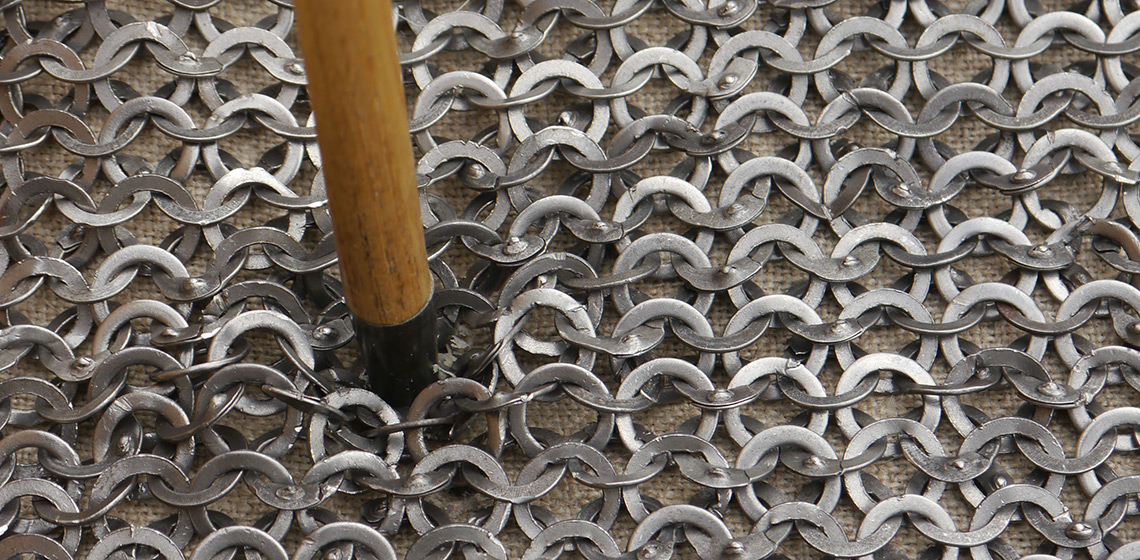
This study was undertaken to gain an understanding of the effectiveness of mail armour in protecting horses against arrow shot, and to assess the circumstances in which such armour might play a useful role. Since the protection given by mail is largely dependent on the thickness of the underlying padding, a preliminary step was to estimate the maximum thickness of padding that could be worn by the horse...

A Singing Bone from the Mätäjärvi (‘Rotten Lake’) Quarter of Medieval Turku, Finland: Experimental Reconstructions and Contemporary Musical Exploration
Author(s)
Riitta Rainio 1 ✉,
Annemies Tamboer 2,
Taina Saarikivi 3
Publication Date
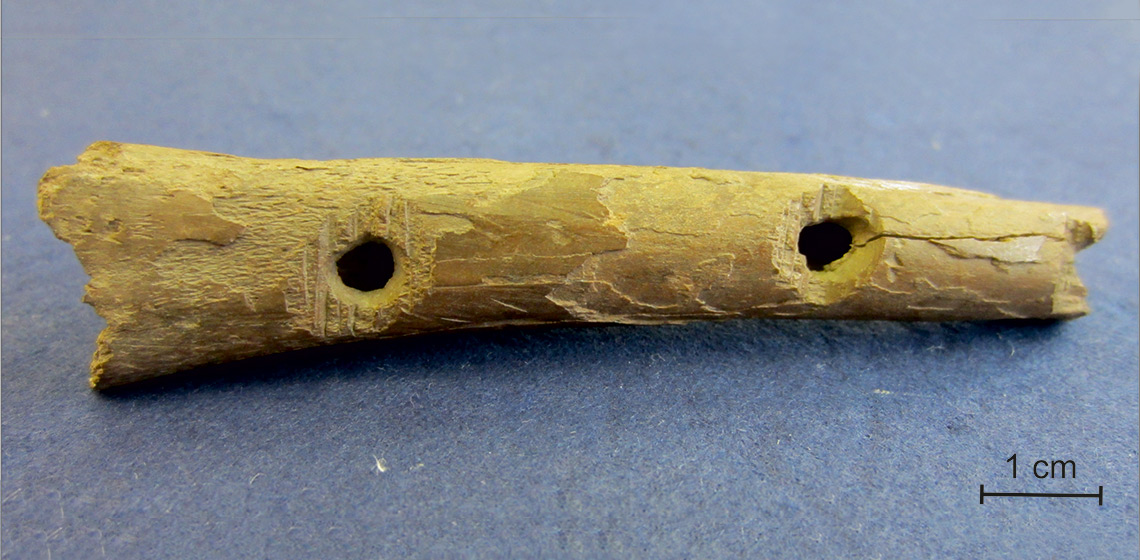
At the turn of the 14th and 15th centuries, in the town of Turku (SW Finland), a new quarter was built near a lake that came to be known as Mätäjärvi (‘Rotten Lake’), possibly because it was polluted by the waste from leather tanners, shoemakers, and other artisans. In the excavated remains of a wooden house in this quarter, objects like leather shoes, clippings and scrapings, imported stoneware from Germany...

Recreating Historic European Spindle Spinning

Author(s)
Mary Ann Megan Cleaton 1 ✉,
Alice Rose Evans 1,
Jane Hunt 1,
Cathelina di Alessandri 1
Publication Date
Spinning is a vital step in the production of textiles, whereby fibres are drawn out (drafted) and twisted together to make thread. In the present day, several culturally unique types of spinning are recognised, such as the thigh-rolling technique of traditional Navajo spinners who use unusually large spindles in a supported style (Wolf Creek, 2009)...

Killing the Cauldron: Experimental Research on Dented Bronze Cauldrons from the (post)Medieval Period

Author(s)
Vincent van Vilsteren 1
Publication Date
Bronze cauldrons from the late Middle Ages, and the 16th and 17th century are hardly ever discovered during archaeological excavations but are usually unearthed by detectorists having discovered the find of their life. Many of these vessels happen to be damaged. Sometimes one or two legs are lost, or a piece of the rim is missing, more often they exhibit one or more dents. We know that in prehistory the ritual...