EXARC Journal Issue 2026/1


10 Articles | DOAJ | Open Access
ISSN: 2212-8956
Publishing date: February 17, 2026
📄 EXARC Journal 2026/1 Table of Contents
Published by EXARC
Listen in to the episode of "EXARC Extracts", where we provide you with a short summary of the articles in the latest issue of the EXARC Journal. Matilda Siebrecht summarises the reviewed articles from the 2026/1 issue of the EXARC Journal. It includes four reviewed articles as well as six unreviewed mixed matter articles.
Summary
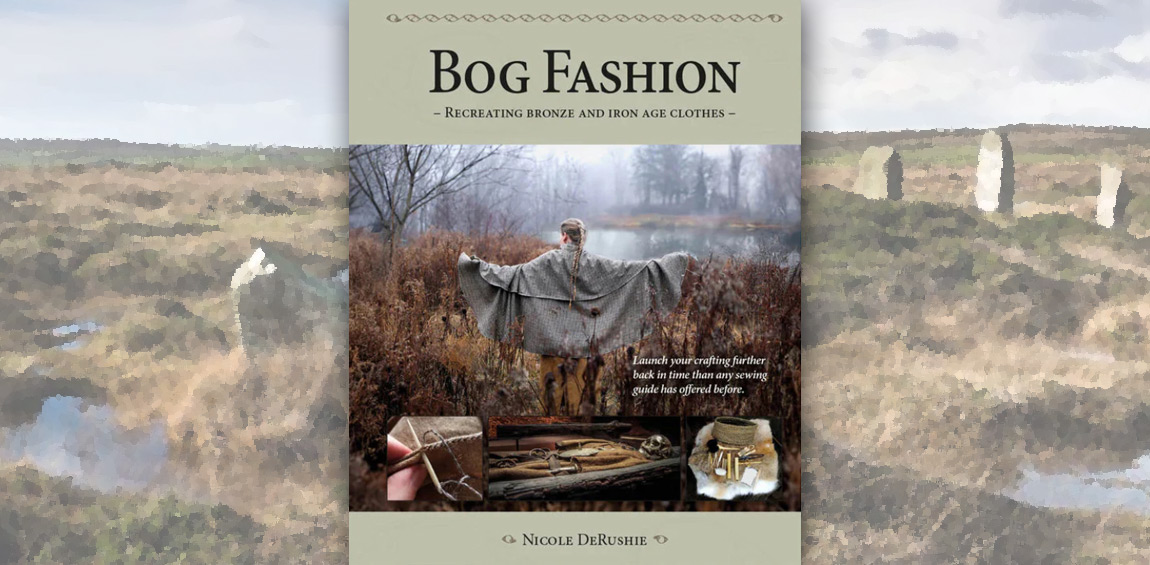
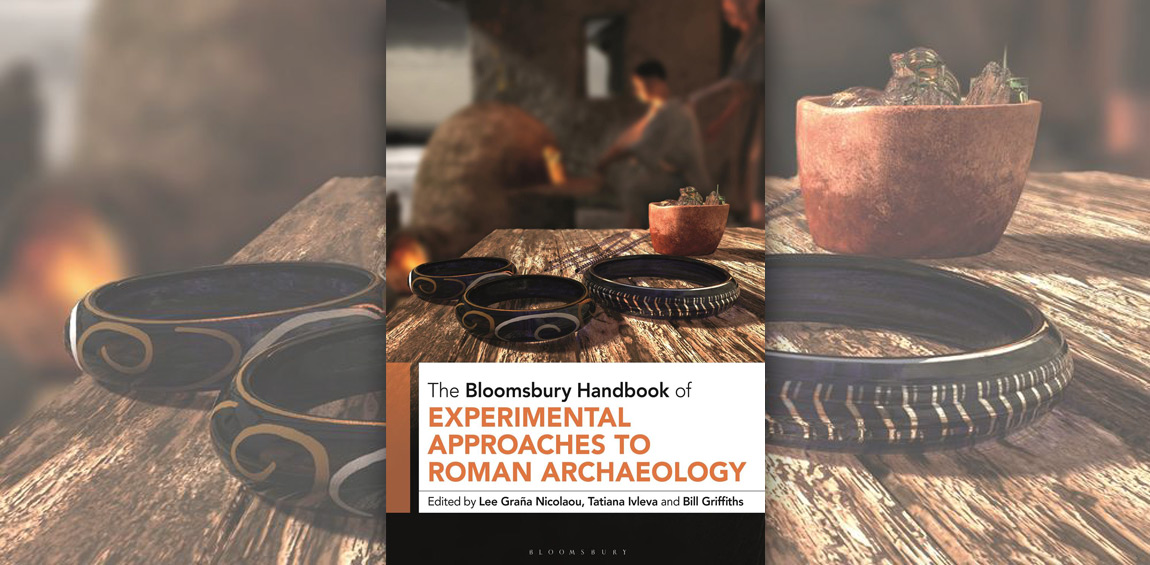
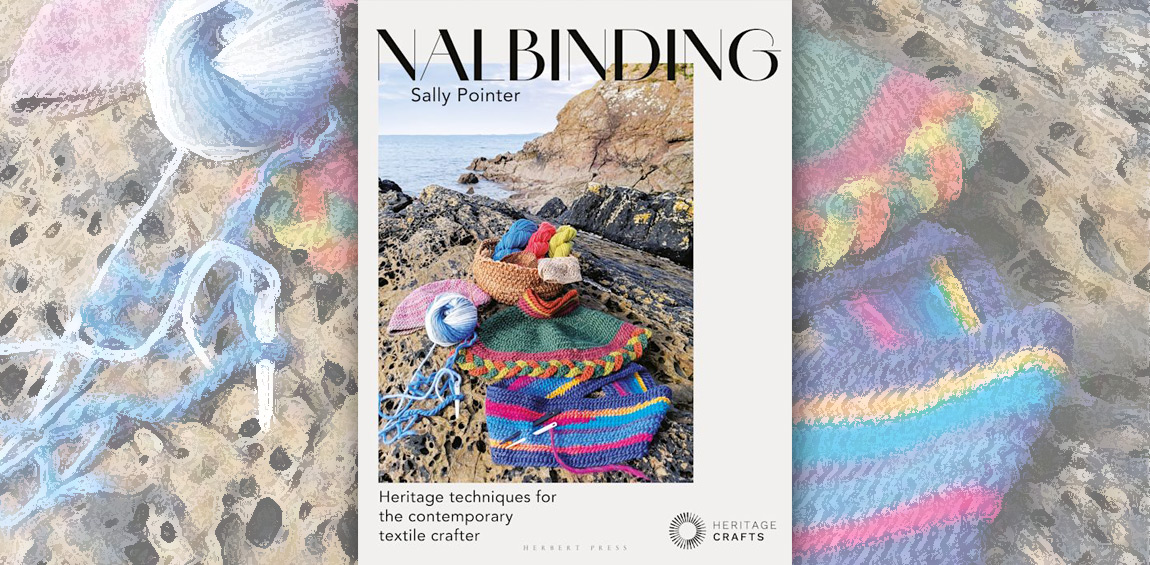
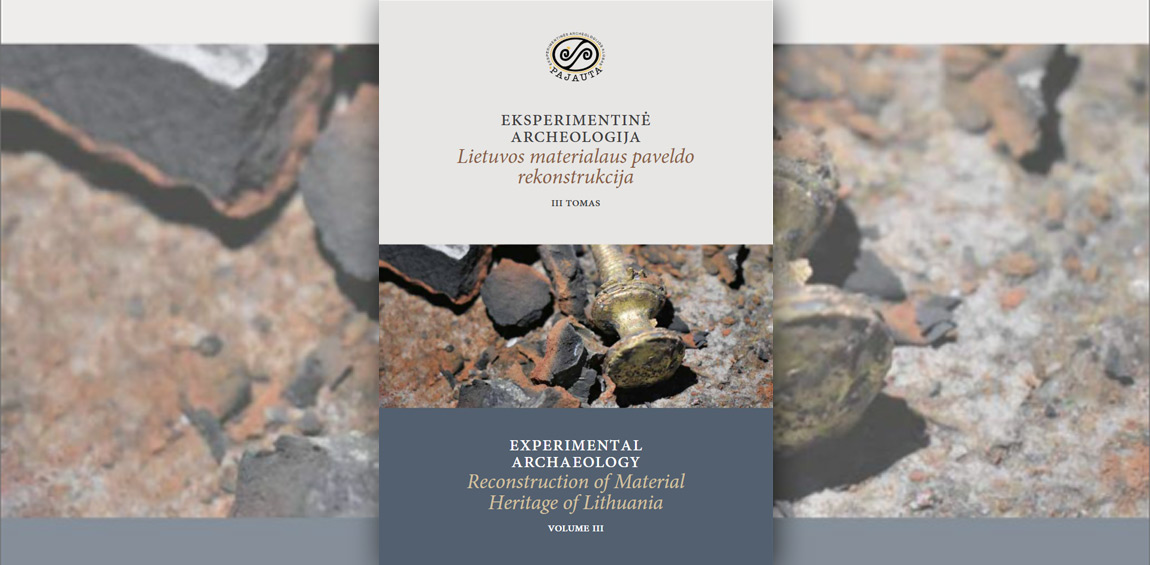
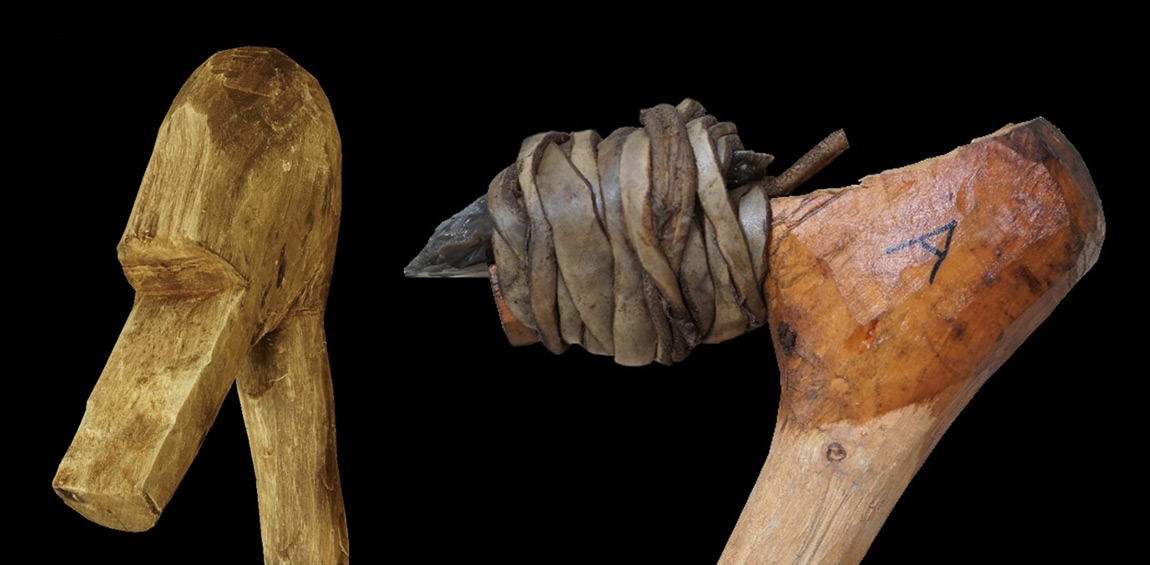
The 2026/1 issue of EXARC Journal contains 4 reviewed and six mixed matters articles. All articles in our Journal are open access to allow for free exchange of information in the fields of experimental archaeology, historical reconstruction, ancient technology, experiential studying and presenting of the past. Thoughts on the Concepts and Methods of Experimental Archaeology by Bangcheng Tang focuses on theoretical underpinning of experimental archaeology within the context of the developmental history of Chinese experimental archaeology. Christopher Scott and Karl Lee use experimental archaeology to study possibilities of combinatorial technology in their article Getting a Handle on Technological Complexity in the Acheulean: Hand-axes Make Excellent High-Energy Hafted Woodworking Tools. The article The Transformation of Glass Debris from Apollonia-Arsuf (Byzantine Sozousa) looks into the abundance of small chunks of raw glass at Apollonia-Arsuf, a major centre of primary and secondary glass production during the Byzantine period. The last article takes us back to China and is dedicated to the manufacturing techniques of globular-bellied vessels from the Zhongshan State of China’s Late Bronze Age (770 BCE–221 BCE). The mixed matter section brings reports on two events – The fifth annual meeting of Experimental Archaeology in Denmark and Paleofestival, which took place in October 2025 in Montevarchi (Italy) and four book reviews: Bog Fashion. Recreating Bronze and Iron Age Clothes by Nicole DeRushie, The Bloomsbury Handbook of Experimental Approaches to Roman Archaeology by Lee Graña Nicolaou, Tatiana Ivleva and Bill Griffiths, Nalbinding: It’s not Knitting: Heritage techniques for the contemporary textile crafter by Sally Pointer and Experimental Archaeology: Reconstruction of Material Heritage of Lithuania, Volume III by Daiva Luchtaniene.
Reviewed Articles
Study on the Globular-Bellied Vessels of the Zhongshan State in the Late Bronze Age of China

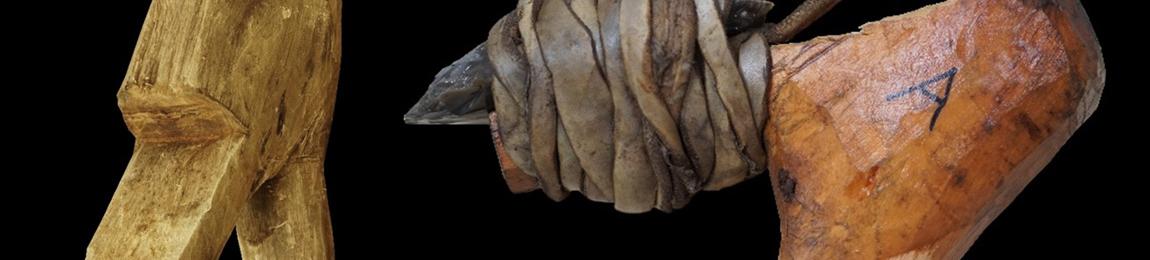
Getting a Handle on Technological Complexity in the Acheulean: Hand-axes Make Excellent High-Energy Hafted Woodworking Tools
Thoughts on the Concepts and Methods of Experimental Archaeology
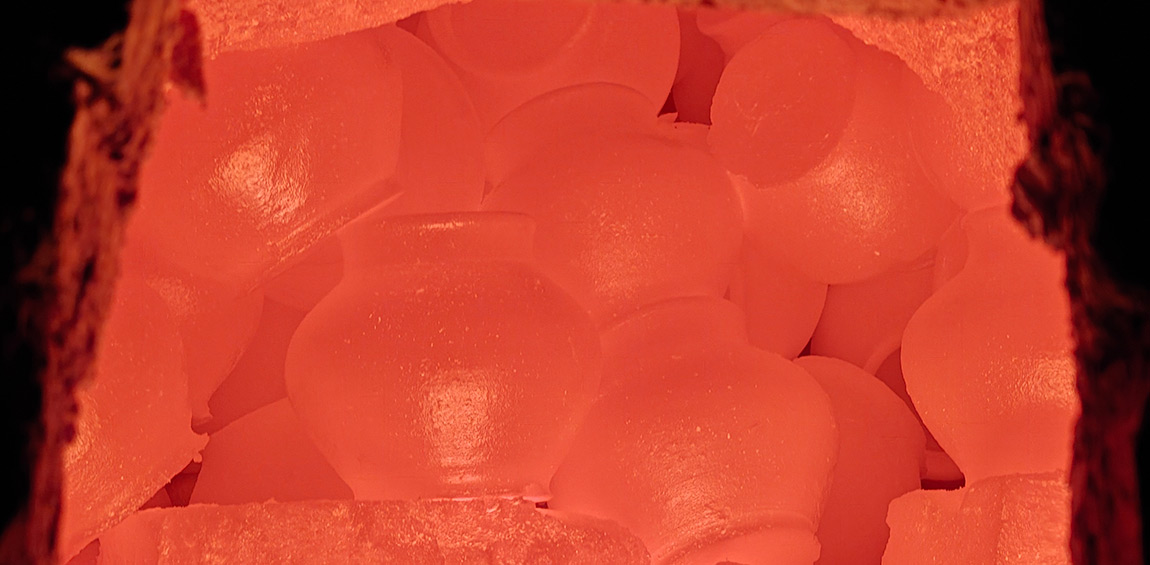
The Transformation of Glass Debris from Apollonia-Arsuf (Byzantine Sozousa)