EXARC Journal Issue 2026/3
Published by EXARC, 2026; ISSN: 2212-8956; Publishing date: August 25th, 2026
Between the publishing dates of the online issues we are presenting the Mixed Matters articles. They are added on a semi-weekly base till this issue is published. The other articles are reviewed and all will be published on August 25th, 2026.
As a Service to all our Interested Readers, the Full EXARC Journal is Open Access.
EXARC Members will receive a newsletter when Issue 2026/3 is ready.
Reviewed Articles
Experimental Smelting of Local Copper Ores from Moravia
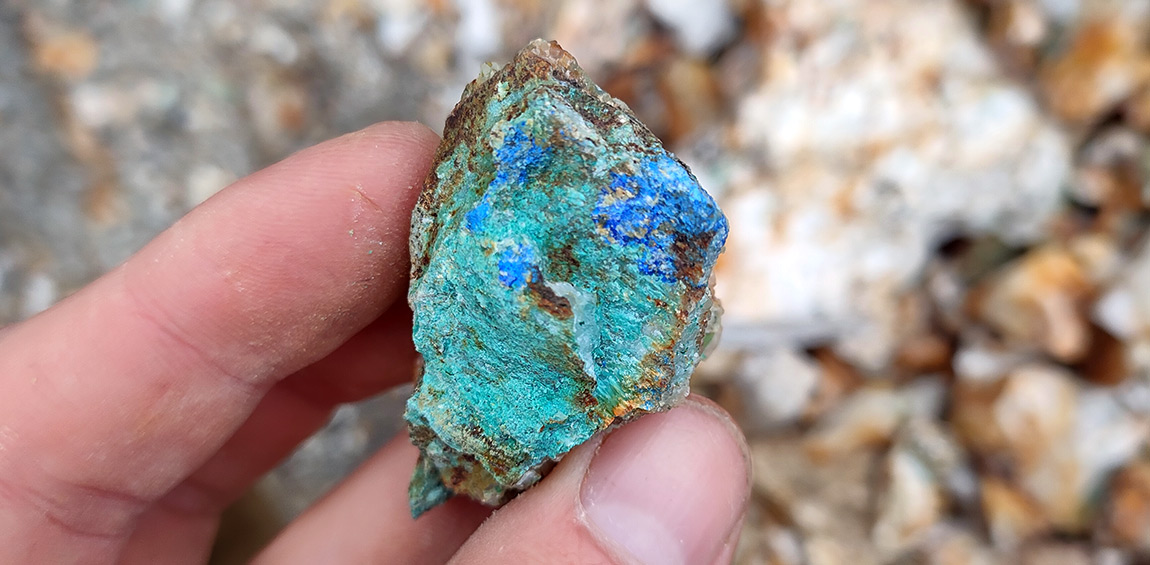
This paper presents the results of experimental smelting of local copper ores from two sites in Moravia, Czech Republic (Štěpánov nad Svratkou and Lipová-lázně), aimed at testing whether these small, previously unstudied deposits were suitable for prehistoric copper production. High-purity malachite from the Shilu mine (China) served as a reference ore. A hemispherical, partially sunken furnace was used together with three ore-charging methods (graphite crucible, clay ball, direct furnace charge) and two air-supply systems (lever-operated bellows and elder blowpipes). Both Moravian ores were successfully reduced to metallic copper of high purity (>99%), confirming their smeltability despite lower copper content and higher gangue proportions than the reference ore.
Split Pine Lath Technology: Experimental Replication of Mesolithic-Neolithic Laths used in Fishing Structures from the European and Central Russian Boreal Forest Zone
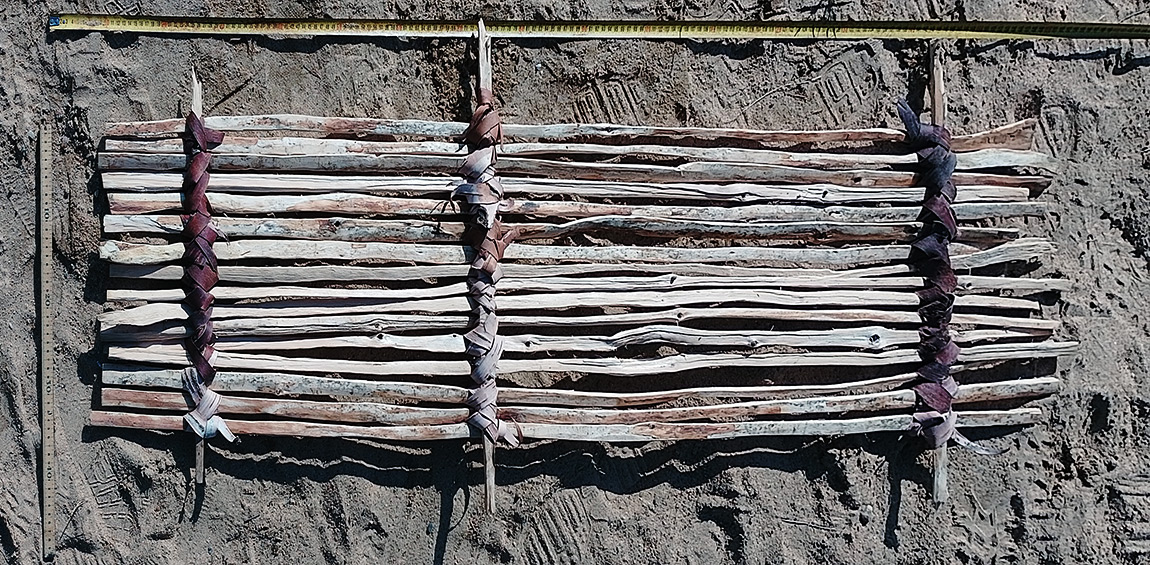
This experimental research investigates the production and functional interpretation of the refined split-pine lath technology employed in stationary fishing structures at Mesolithic and Neolithic wetland sites across the Boreal Forest, from Purkajasuo (Finland) to Zamostje 2 (Central Russia). Despite the prevalence of these highly technologically complex split pine laths, the tools and techniques required to make them at scale remain poorly understood. Through a framework of experimental replication informed by practitioner expertise and ethnographic parallels, this research challenges the previously proposed manufacturing model using 45° bevelled bone tools. Controlled experiments demonstrated that a more intuitive wedge-shaped tool and a technique of cleaving along natural growth rings achieved superior results.
An Angle on Splicing – Experimental Insights into the Production of Linen Thread in Ancient Egypt
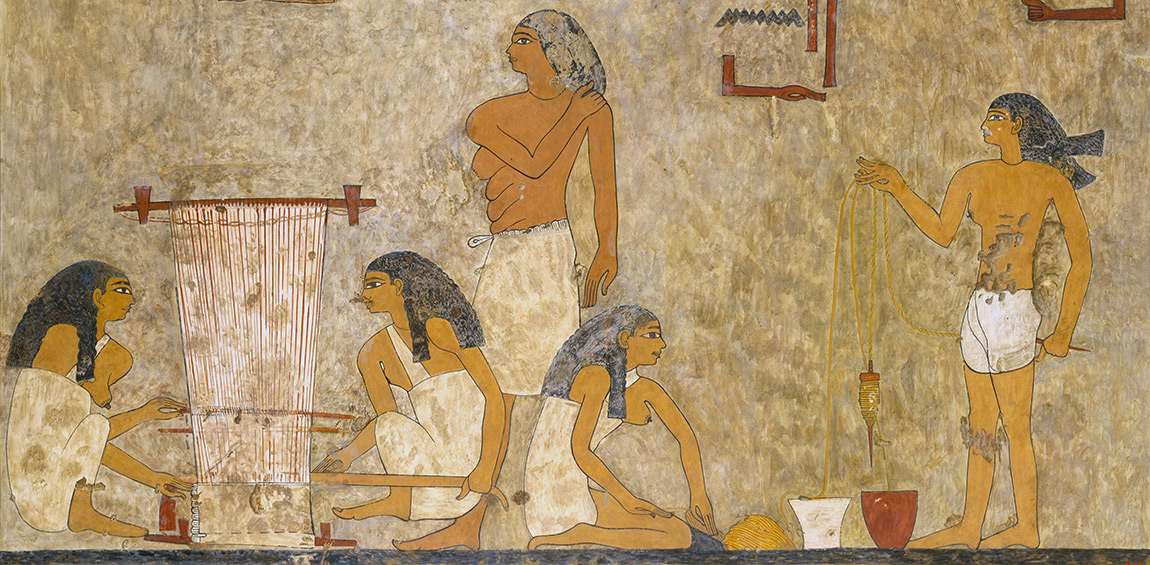
This paper presents an experimental investigation into the production of linen thread in ancient Egypt, with particular focus on materials and techniques attested during the New Kingdom. The study aimed to reconstruct the process of splicing, a fundamental method in the manufacture of Egyptian yarns, to clarify the technical aspects that remain insufficiently understood. Although previous scholarship has extensively documented the general principles and many of the technical features of ancient Egyptian textile production, the practical reconstruction of a functional spliced thread has proven far more complex than theoretical descriptions suggest.
How Culinary Arts May Have Contributed to Ceramic Arts in Blacktop Redware from Kerma
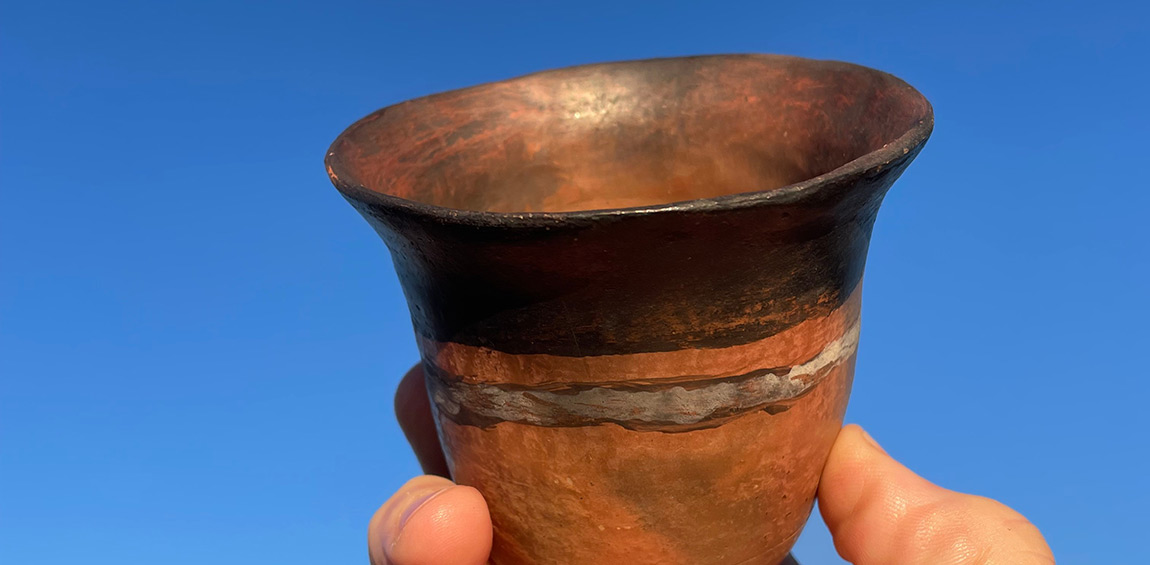
The process of how seemingly deliberate black colour on ancient decorated pottery was achieved in various cultures throughout history has been of great interest to me as a potter for several years. Many modern potters with the same interest have replicated black, or combinations of black and other colours on the surface of vessels with various minerals, clay, and firing techniques (Ward, 2026).
Basics of Theoretical Foundations in Historic Experimental Studies in the Sense of Practicability
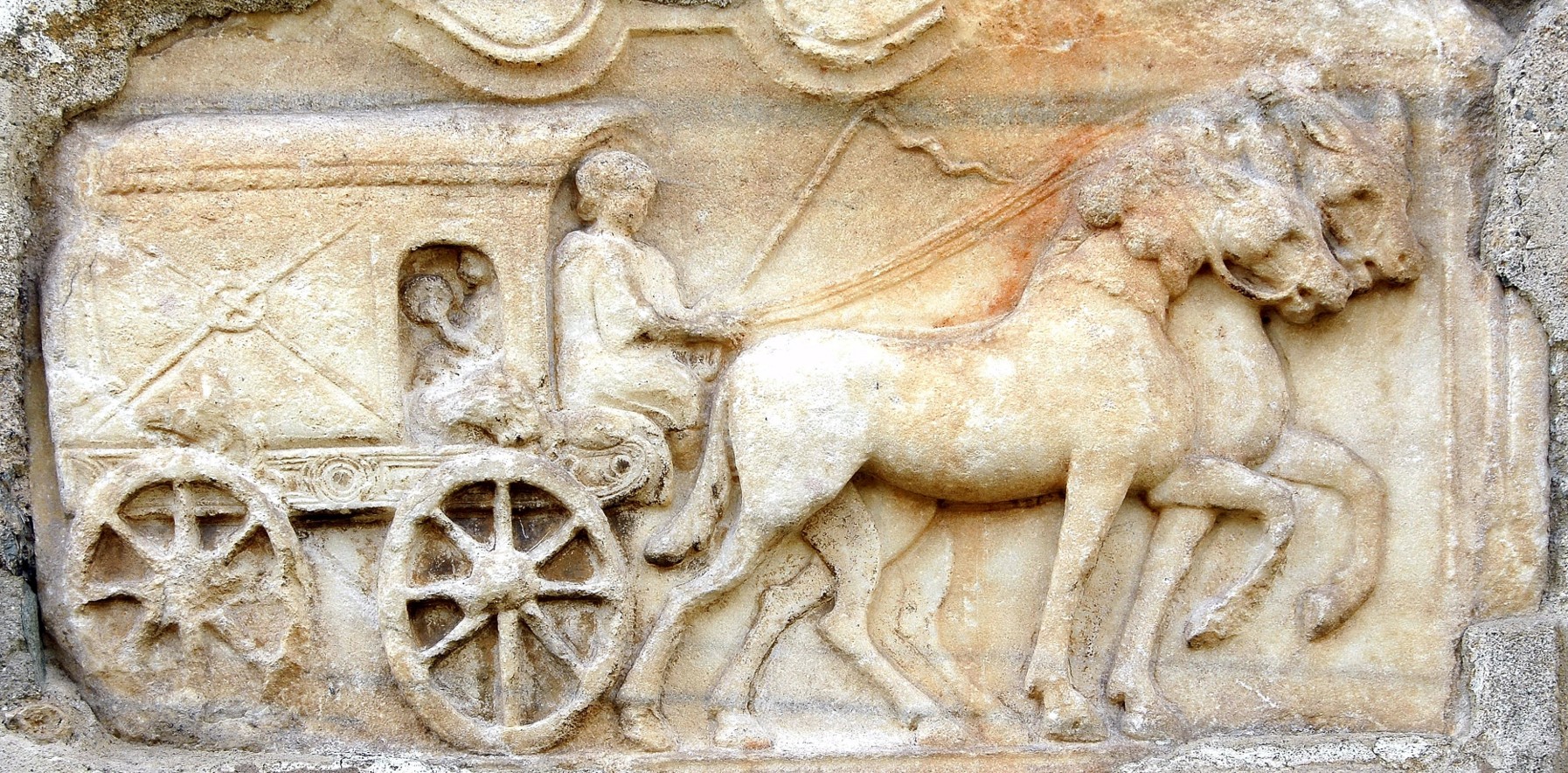
Researchers working in historical disciplines (history, archaeology, art history, legal history, theology) can draw on a source base that has grown in varying degrees. Nevertheless, source material especially for older periods remains incomplete, difficult to access or fragmentary. New insights into performance in a historical context of use - additionally to the fruitfully and carefully conducted ethnological comparison - are to be gained by supplementing, reconstructing and experimentally testing only fragmentarily preserved material or/and described evidence under historical conditions. Beyond the individual object, such reconstructions have epistemological relevance if they are methodologically controlled and verifiable.
The Borgund Curly Pile Textile: Reconstruction of an Early Medieval Textile Fragment from the Deserted Town Borgund, at Sunnmøre in Western Norway
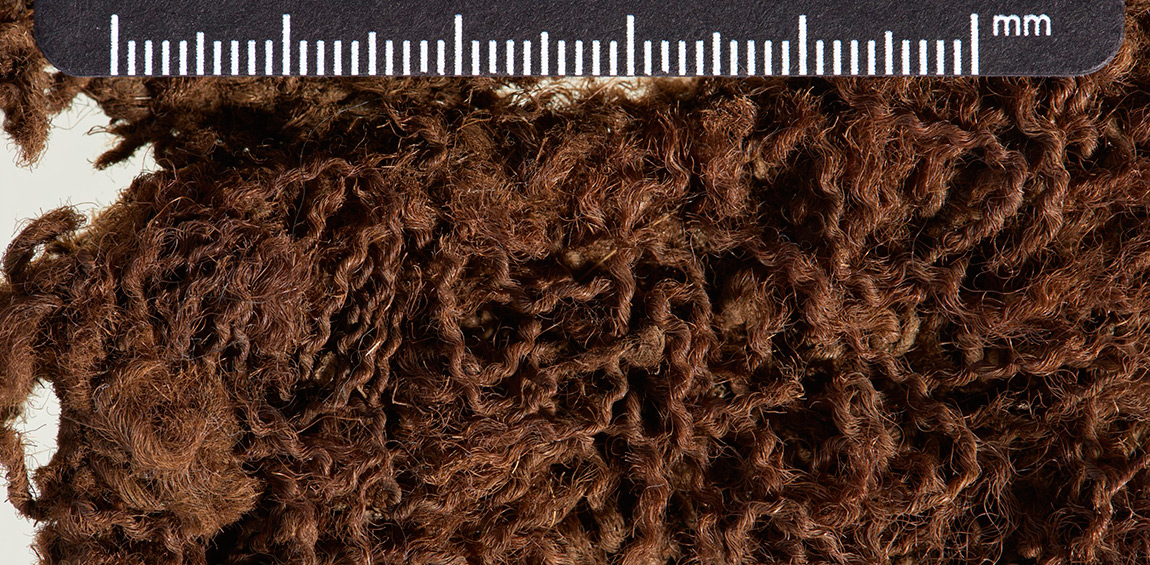
Pile-woven textiles are rare archaeological finds. During the excavation of the deserted medieval town Borgund at Sunnmøre, Norway, an unusually well-preserved early medieval textile fragment with a knotted pile was found. One side is twill woven, while on the other, long curly tufts of wool thread have been woven and knotted in. The Borgund curly pile textile stands out: the pile is curled in a way that has not been previously documented, and the knot is unlike other known pile knots, although the weave of the textile does resemble other known pile woven finds woven by the research team’s craftspeople. The article presents analyses of the textile and the subsequent experimental work...
Breaking the Mould: Production of Early Ceramic and Aceramic Forms at the Coves de Santa Maira
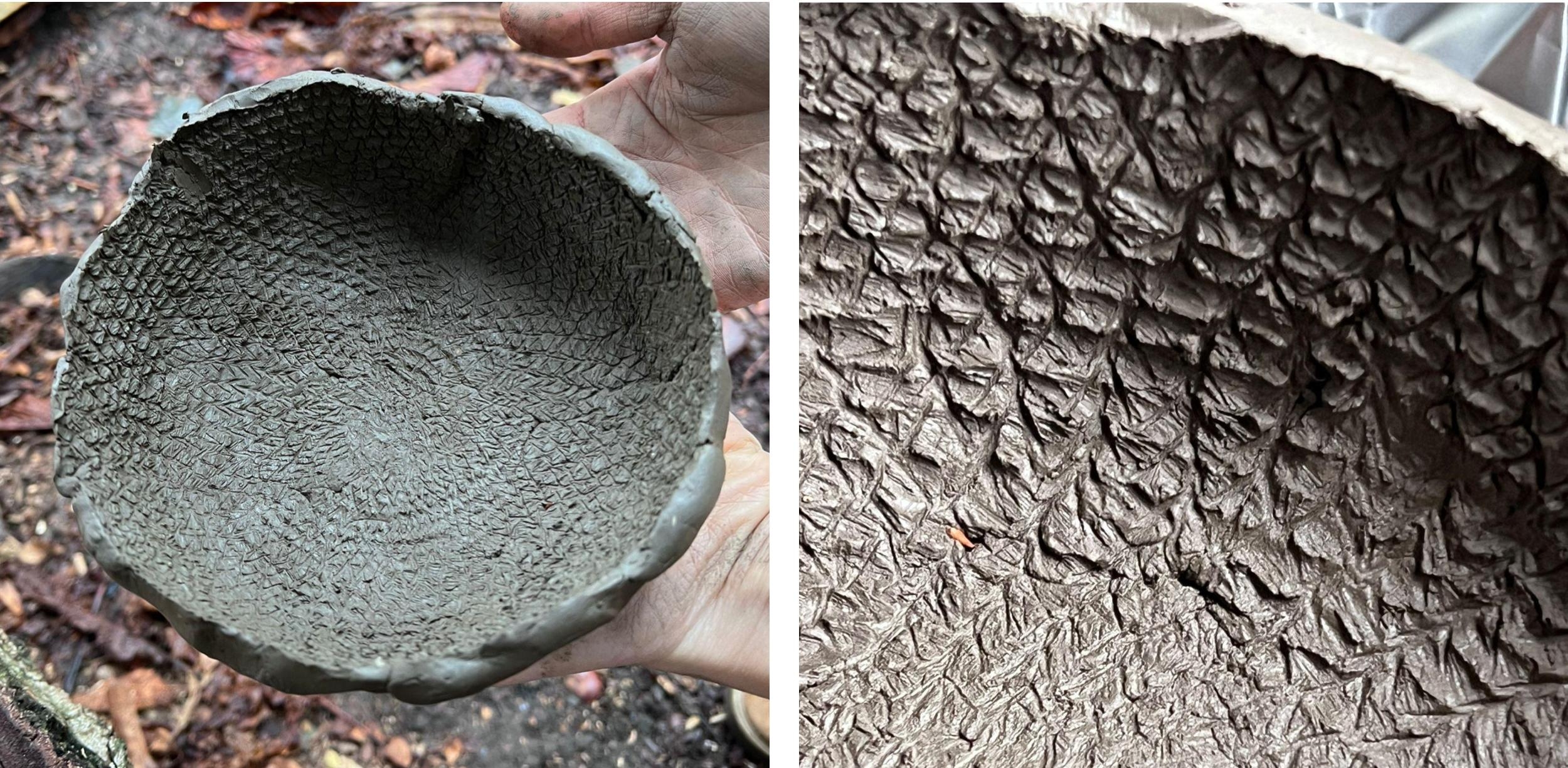
Ceramics are a keystone of early technological development for many ancient cultures, but their development is far from linear or simple. Ceramic artefacts, through examination of their production and use, give insights into many aspects of life by those who made and used them including cooking, food storage, mobility, pyrotechnology, art, and performance. Ceramic fragments uncovered at Coves de Santa Maira in eastern Spain may shed light on the early development and use of ceramic vessels in Western Europe during the Final Magdalenian, Epipaleolithic and Mesolithic (Aura Tortosa et al., 2019). Using experimental techniques, this article explores the production and use of various clay and ceramic forms of which the fragments were once a part...
Cochineal in the Classroom: Engagement Success with an Ancient Colourant
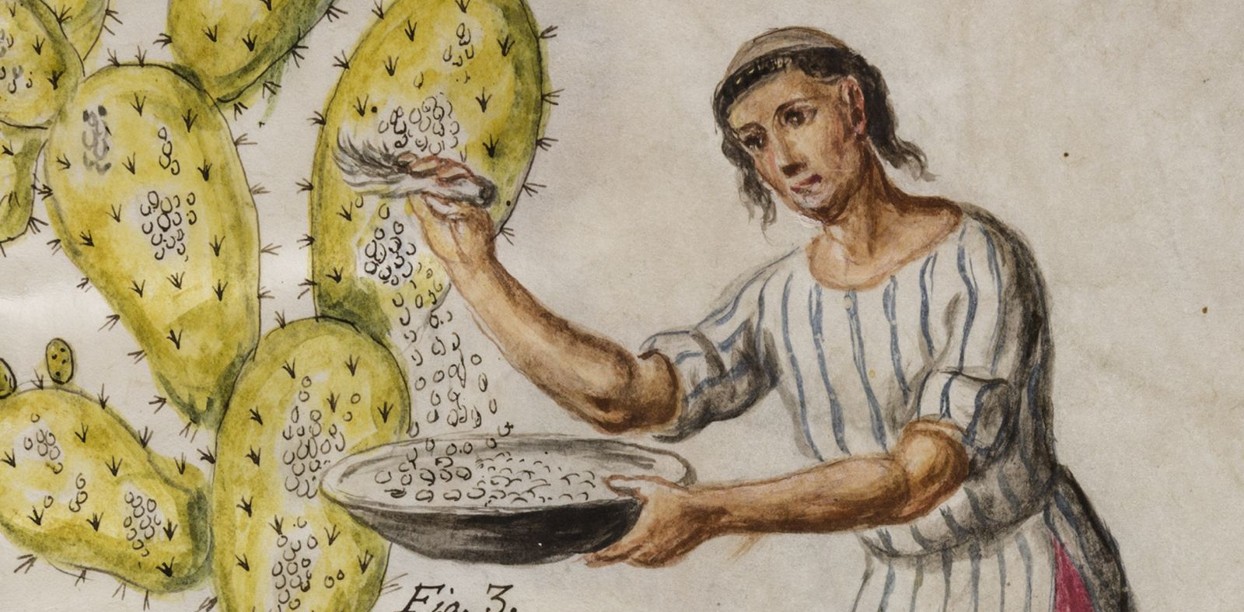
Cochineal, small insects that feed on nopal (prickly pear) cactus leaves, produce a naturally vibrant red colourant and have been used from ancient times for purposes such as dyeing, painting, and cosmetic applications. The ease with which colour can be obtained from Cochineal insects, and its associations with ancient cultures of the Americas, positions it as an ideal candidate for engagement and this paper describes successful hands-on workshops of Cochineal dyeing. Experimental methods were encouraged and facilitated in these workshops, demonstrating the value this natural colourant has in providing accessible educational opportunities for learners of all ages.
Examination of Bone Alterations Through Experimental Burning of Animal Carcasses: A Preliminary Study in Japan
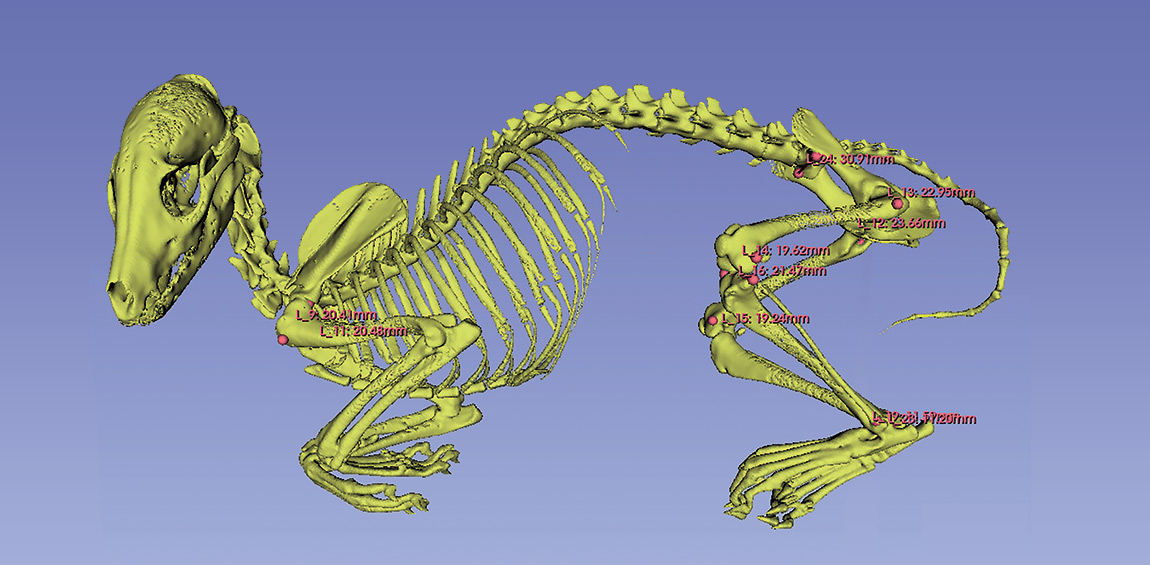
Burned human remains, suggesting the presence of different burning processes, have been reported from Late JĹŤmon period sites in Japan. Compared with Western countries, however, experimental research in Japan aimed at clarifying the causal relationship between burning conditions and bone alterations remains limited. Consequently, determining which specific burning conditions account for the morphological variations observed in archaeologically burned human bones continues to pose a challenge. This study conducted four controlled burning experiments to compare the effects of different burning conditions on bone alterations, using animal carcasses with soft tissue as well as defleshed and defatted bones...
Experimental Evaluation of Novel Levelling Methods Based on the Hohokam Stone Palette Design Evolution

Carved stone palettes are recognised as a distinctive characteristic of the Pre-Classic Hohokam culture. Palettes have been found throughout the Hohokam region, and their distribution has helped to define that region. Prior study has documented context and physical properties of palettes and examined potential uses, including as a tool for pigment processing and use (i.e., a palette). During the same Pre-Classic period associated with palette deposition, the Hohokam constructed irrigation canals by exploiting or creating contours in the landscape to direct and control the flow of water. It is supposed that the Hohokam engineered these irrigation canals without the use of levelling instruments...
Preservation Biases in Polycyclic Aromatic Hydrocarbons and their Implications for Identifying Archaeological Fire Use
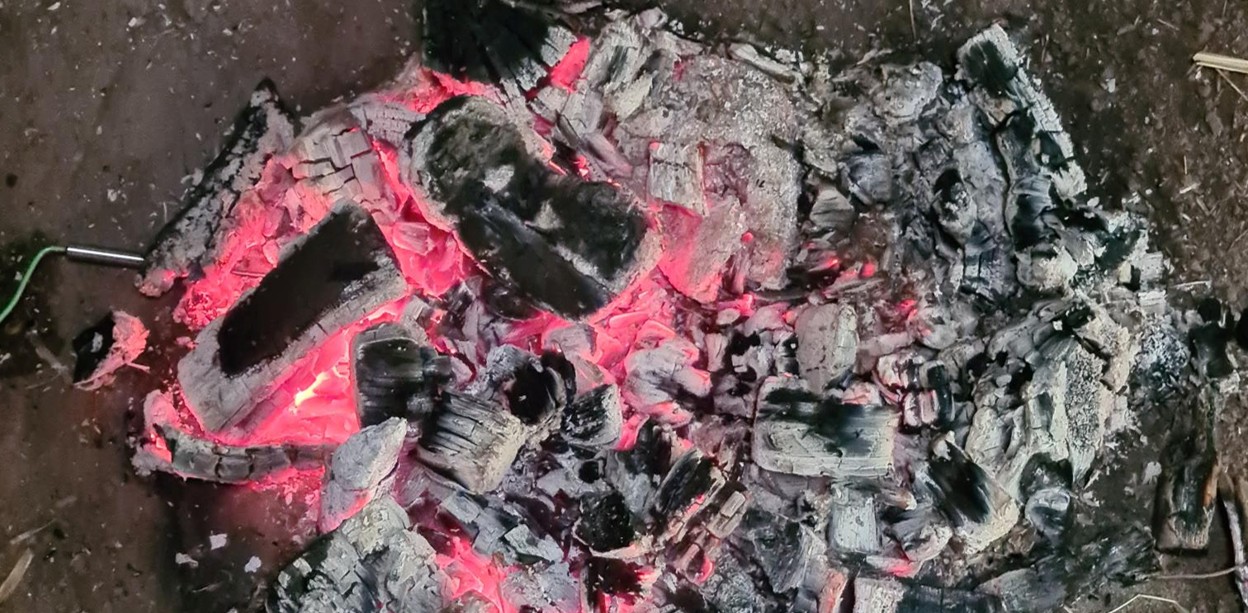
Polycyclic aromatic hydrocarbons (PAHs) are increasingly used to identify fuel sources, combustion conditions, and anthropogenic fire use in archaeological soils and sediments, yet the extent to which post‑depositional processes alter PAH profiles in archaeological combustion features remains poorly understood. This experimental study examines the short‑term preservation and taphonomic behaviour of PAHs within an experimentally produced Palaeolithic style hearth over a one‑year period. Fourteen controlled fires using wood, grasses, dung, and fresh bone were conducted in a semi‑enclosed prehistoric shelter, and soil samples were collected immediately after burning, then at 3‑month, 6‑month, and 12‑month intervals.