EXARC Journal Issue 2026/4
Published by EXARC, 2026; ISSN: 2212-8956; Publishing date: November 25th, 2026
Between the publishing dates of the online issues we are presenting the Mixed Matters articles. They are added on a semi-weekly base till this issue is published. The other articles are reviewed and all will be published on November 25th, 2026.
As a Service to all our Interested Readers, the Full EXARC Journal is Open Access.
EXARC Members will receive a newsletter when Issue 2026/4 is ready.
Reviewed Articles
Experiments Using Mixtures of Earth and Straw to Hermetically Seal Underground Pits Intended for Grain Storage and Ensure Optimal Preservation
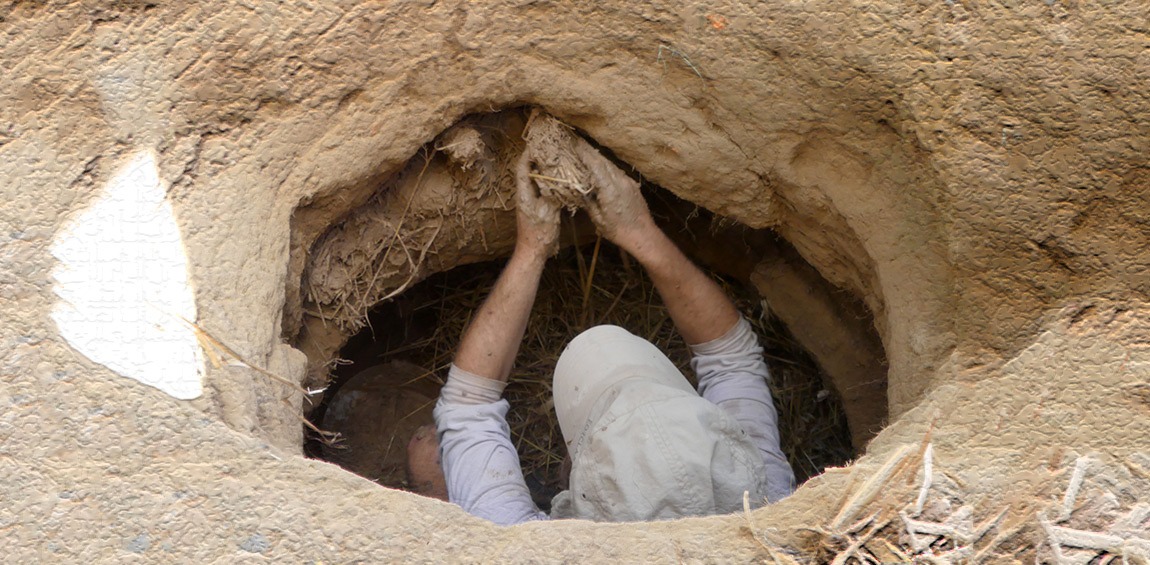
In regard to underground grain storage, archaeologists know only the shape and volume of storage pits and understand that air and watertightness is essential to protecting the reserves. It is therefore necessary to consider the plausible and effective methods for sealing such pits. The seals must be natural, readily available, and locally sourced. The grain reserves must be protected from external pests, such as insects and rodents. Given that grains are living organisms the internal environment of the pits must be capable of isolating the grain from external elements without hindering their natural development. The experiments on grain preservation in storage pits focussed primarily on using a mixture of soil and straw to seal them. The recipes and manufacturing processes have been gradually improved over ten years of experiments conducted by a multidisciplinary team.
Bonfire or Kiln? Experimental Pottery Firing and Technological Control in Greyware Production
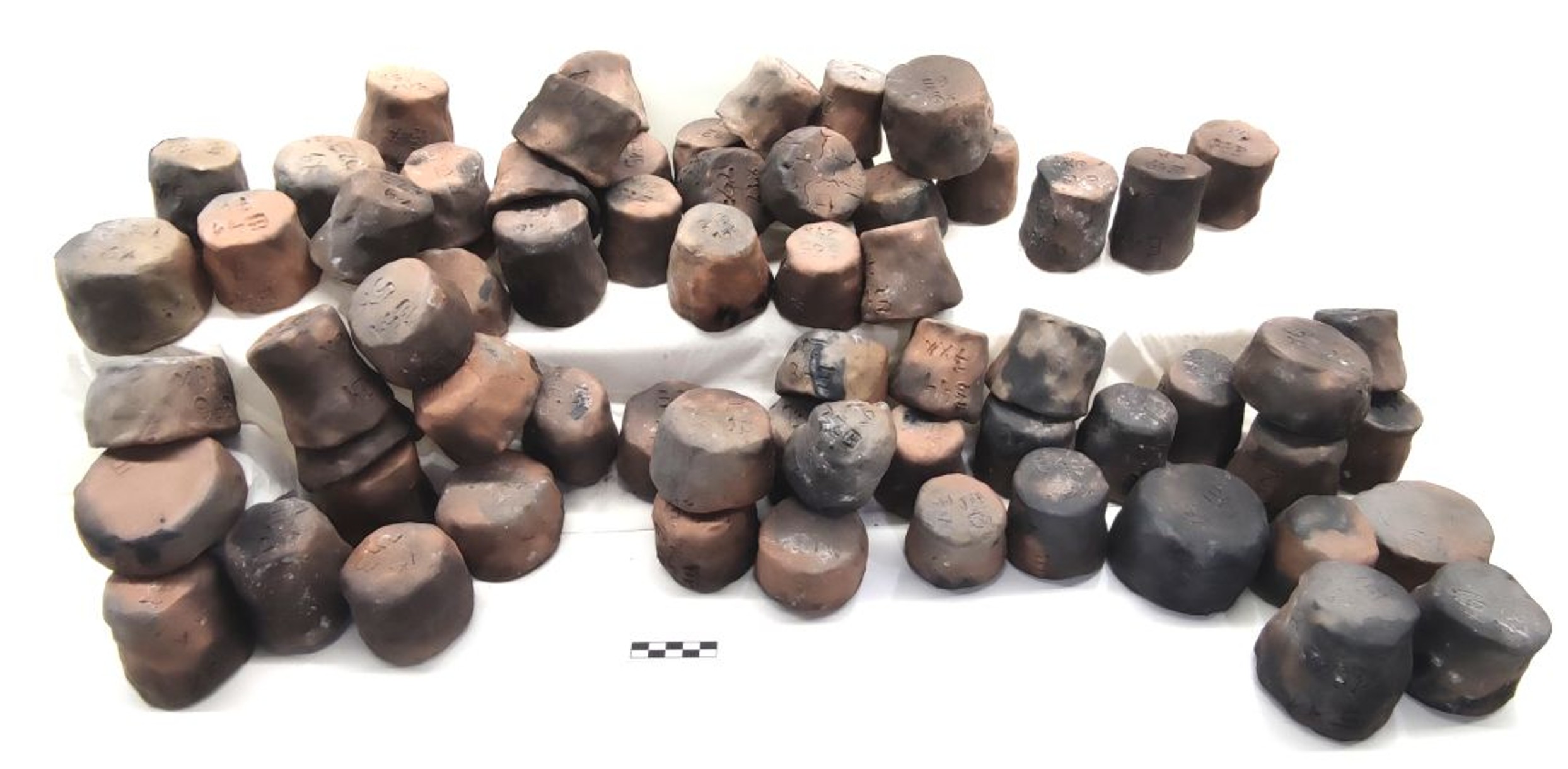
This paper presents the preliminary results of an experimental programme designed to explore firing technologies associated with greyware pottery production. Two experimental firings were conducted at the archaeological sites of Santa Margarida and l’Esquerda (Catalonia), using contrasting firing structures: an open bonfire and a small single-chamber kiln. Both experiments were systematically documented through temperature monitoring, observation of combustion and cooling processes, spatial recording of the vessels, and archaeological excavation of the resulting deposits.
Bog Bodies in Context
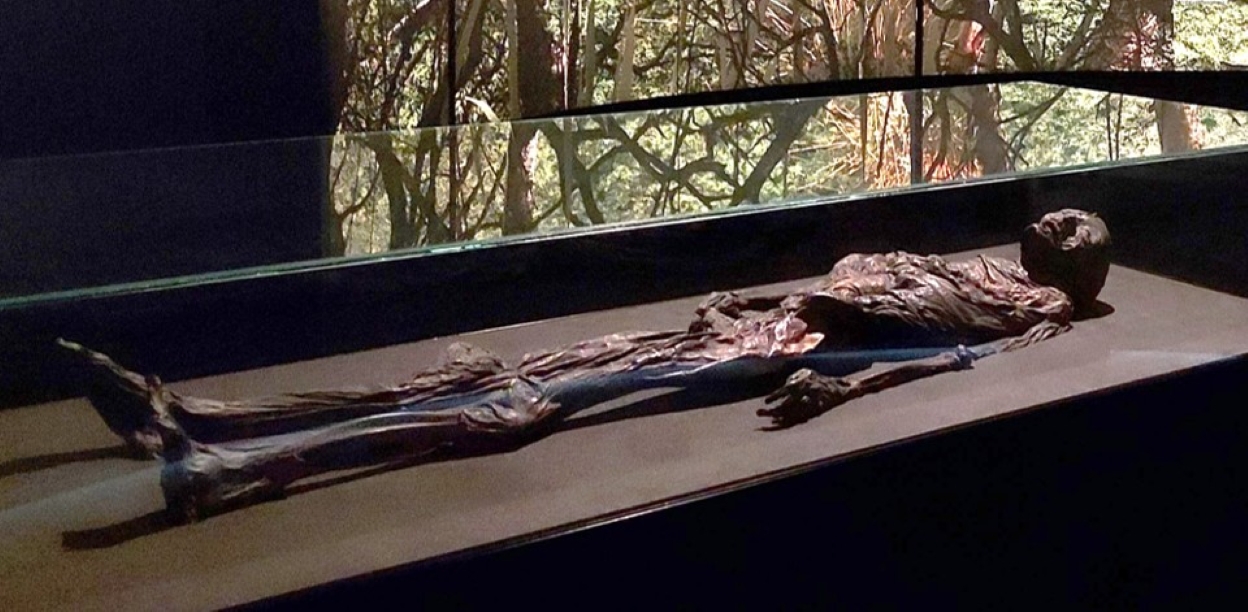
This paper presents bog bodies as storytellers contributing to the discussion based on current exhibitions in Northwest Europe. It is an attempt to do away with the reproduction of old knowledge and present the bog bodies in a wider context. By shifting the focus from the physical remains to the broader cultural and archaeological context, this didactic approach encourages visitors to engage with the past in a more immersive and reflective manner. This approach allows for a richer understanding of how Iron Age communities in the North Sea Zone interacted with their landscape, perceived life, death, and expressed their beliefs through rituals and everyday practices. The question is, therefore, whether it is time to move the narrative beyond the body, inviting the audience to explore the above.
Tracing Vessel Use-Lives through Experimental Cleaning, Baking and Burial of Reconstructed Funnel Beaker Pottery
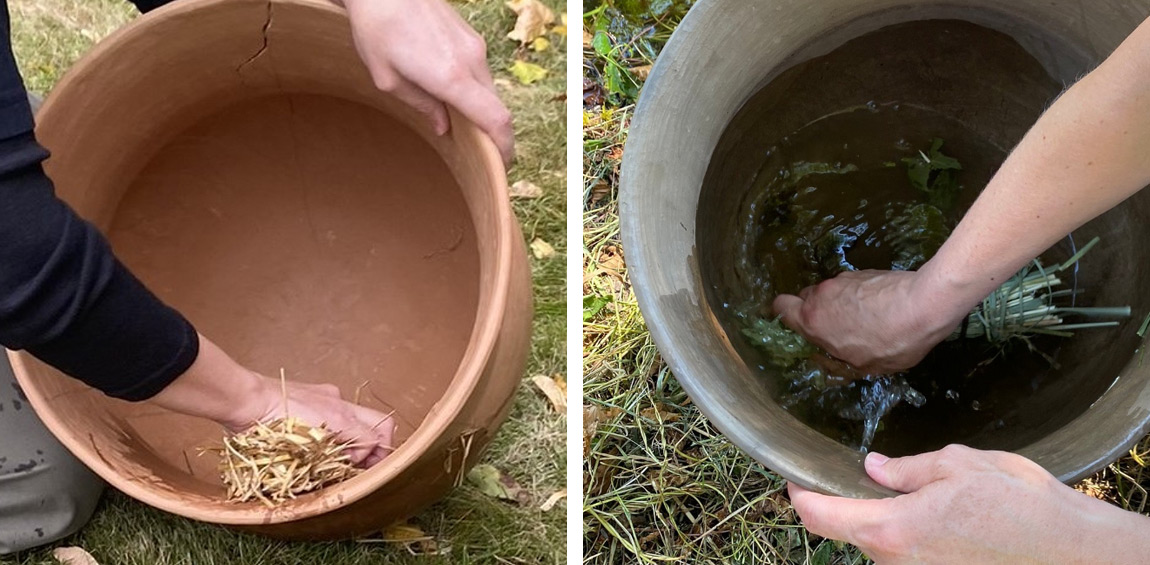
Interpreting Neolithic vessel use requires attention to the long and often complex use-lives through which vessels entered the archaeological record. This article presents an experimental reference collection based on reconstructed South Scandinavian Funnel Beaker pottery, documenting how selected use-trace combinations formed, changed and partly disappeared through repeated use, maintenance and post-depositional processes. Abrasive cleaning removed visible food crusts while producing surface wear, whereas softer organic implements fragmented residues with limited attrition...
The Neolithic Snowshoe from Gurgler Joch (Italy) - Reproduction and Usage
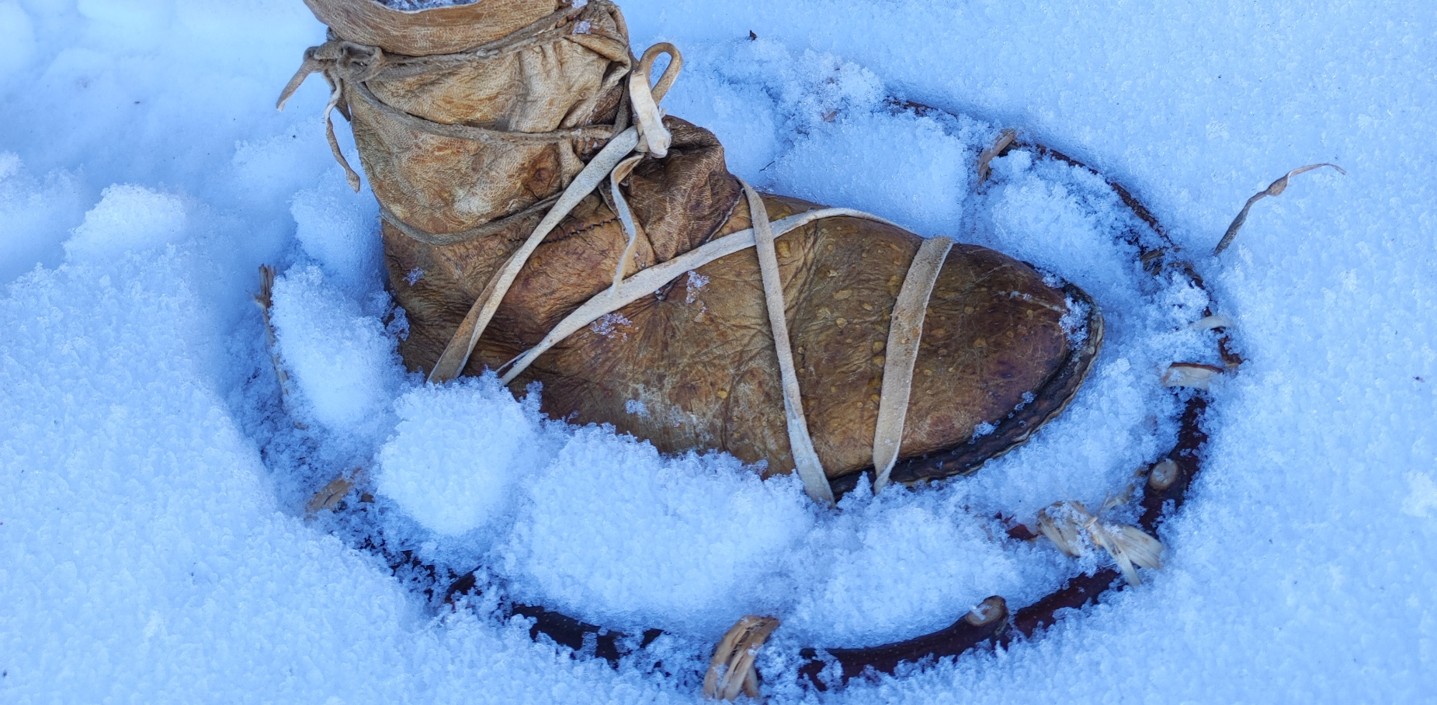
The Archaeological Museum of Southern Tyrol (Italy) houses an object identified as a snowshoe. This wooden artifact has been dated to the late Neolithic. It is made from bent and twisted birch (Betula) branches. Experimental reconstruction of the object sheds light on its mode of manufacture and the tools involved. Furthermore, experimental usage offers insights into its practicability and placement within the wider context of Neolithic material culture.